
Choosing the right shipping term is critical in international importing because it directly affects logistics costs, customs responsibility, and shipping risk. With Incoterms® influencing most components of a shipment’s total landed cost, understanding these responsibilities can make the difference between a smooth supply chain and unexpected expenses.
With extensive experience in global sourcing and freight coordination, ASG has supported importers using different shipping models across a wide range of industries. This Incoterms guide explains the key differences between common shipping terms and helps businesses choose the most suitable shipping method based on cost control, logistics capability, and overall importing needs.
Definitions of Different Shipping Terms
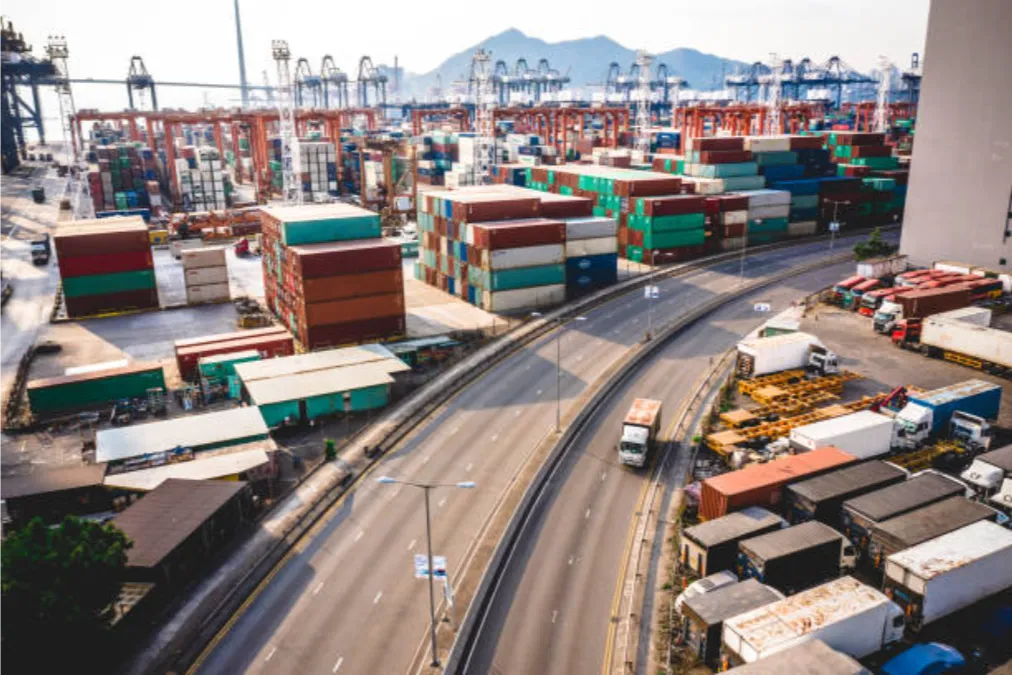
In international trade, shipping terms—commonly known as Incoterms®—define how costs, risks, and responsibilities are divided between buyers and sellers during transportation. Each term determines who handles shipping, customs clearance, insurance, and delivery.
Different shipping terms offer varying levels of control. Some give buyers more control over freight and logistics, while others simplify the process by placing more responsibility on the seller or logistics provider.
What FOB Means
FOB (Free On Board) is one of the most commonly used shipping terms in international trade, especially for ocean freight. Under FOB terms, the seller is responsible for manufacturing the goods, handling export customs clearance, and delivering the cargo to the designated port for loading.
Once the goods are loaded onto the vessel, responsibility and risk transfer to the buyer.
Under FOB shipping:
- The seller handles export procedures and port delivery
- The buyer arranges international freight and import customs clearance
- Risk transfers after cargo is loaded onto the ship
- Buyers gain more control over shipping costs and logistics partners
FOB is widely used by importers who already have freight forwarders or shipping experience.
What EXW Means
EXW (Ex Works) gives the buyer the highest level of logistics responsibility. The seller only needs to make the goods available at their factory or warehouse, while the buyer handles everything else.
Under EXW shipping:
- The buyer arranges pickup from the supplier’s location
- The buyer manages export customs, freight, insurance, and import clearance
- The seller has minimal shipping responsibility
- Buyers gain maximum logistics control but also higher operational complexity
EXW is typically used by experienced importers with established freight and customs management systems.
What CIF and DDP Mean
CIF (Cost, Insurance, and Freight) and DDP (Delivered Duty Paid) place more shipping responsibility on the seller, making them easier for beginners to manage.
Under CIF:
- The seller pays for ocean freight and basic insurance to the destination port
- The buyer still handles import customs clearance and destination charges
- Under DDP:
- The seller manages nearly the entire shipping process, including duties and import clearance
- Goods are delivered directly to the buyer’s location
These terms reduce logistics complexity for buyers but often provide less freight control and lower pricing transparency.
How Shipping Terms Affect Total Import Cost
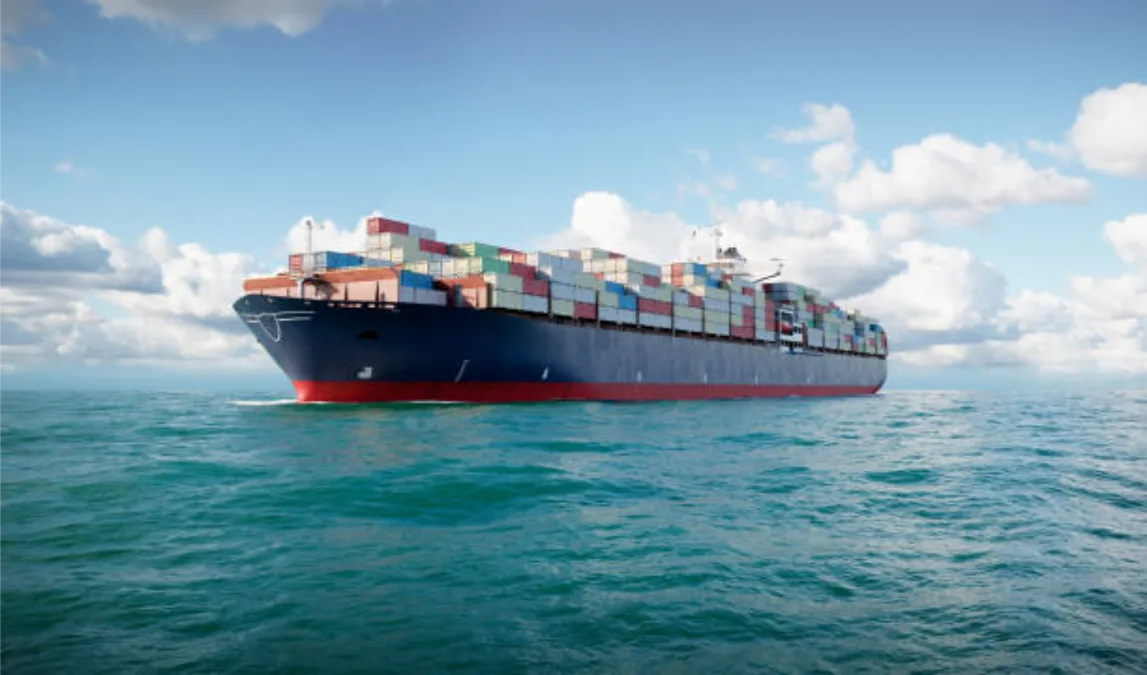
Shipping terms directly affect the total cost of importing because they determine who pays for freight, customs clearance, insurance, duties, and local delivery. Many beginning importers focus only on factory quotations, but the real importing expense is the final landed cost after all logistics and destination charges are included.
Factory Price vs Landed Cost
A lower supplier quotation does not always mean a lower total importing cost. Different Incoterms include different responsibilities, which changes how much buyers ultimately spend.
| Shipping Term | What the Seller Covers | What the Buyer Covers |
|---|---|---|
| EXW | Product only | Pickup, export, freight, customs, delivery |
| FOB | Export clearance and port loading | Freight, import customs, local delivery |
| CIF | Freight and basic insurance | Import customs and local delivery |
| DDP / All-In | Most shipping and customs costs | Usually unloading only |
For example, EXW pricing may appear cheaper initially, but buyers often pay additional export handling, freight coordination, and customs costs later in the process.
Hidden Logistics and Handling Costs
Many first-time importers underestimate operational charges outside the supplier quotation. These hidden costs can significantly increase total landed cost, especially under EXW or FOB arrangements.
Common additional costs include:
- Port handling charges
- Documentation fees
- Customs inspection charges
- Warehouse storage fees
- Destination terminal handling charges
- Local delivery and unloading fees
These expenses are often managed separately by freight forwarders, customs brokers, or local logistics providers.
Customs, Duties, and Destination Charges
Import duties and destination costs vary depending on the destination country, product category, and shipping method.
Under EXW and FOB:
- Buyers usually handle import customs clearance directly
- Duties, taxes, and destination charges are paid separately
- Under DDP or all-in shipping:
- Most customs and delivery costs are combined into one shipping arrangement
- The importing process becomes simpler for beginners
This is why many first-time importers prefer all-in shipping despite potentially higher overall pricing.
Working Capital and Cash Flow Impact
Shipping terms also affect payment structure and cash flow management.
Under EXW or FOB:
- Buyers often pay multiple vendors separately for freight, customs, and delivery
- Unexpected logistics charges may appear during shipment
- Under DDP or all-in shipping:
- Costs are more centralized and predictable
- Budget planning becomes easier for smaller businesses and beginner importers
Choosing the right shipping term is not only about transportation—it also impacts operational efficiency and financial control throughout the importing process.
Understanding Risk and Responsibility
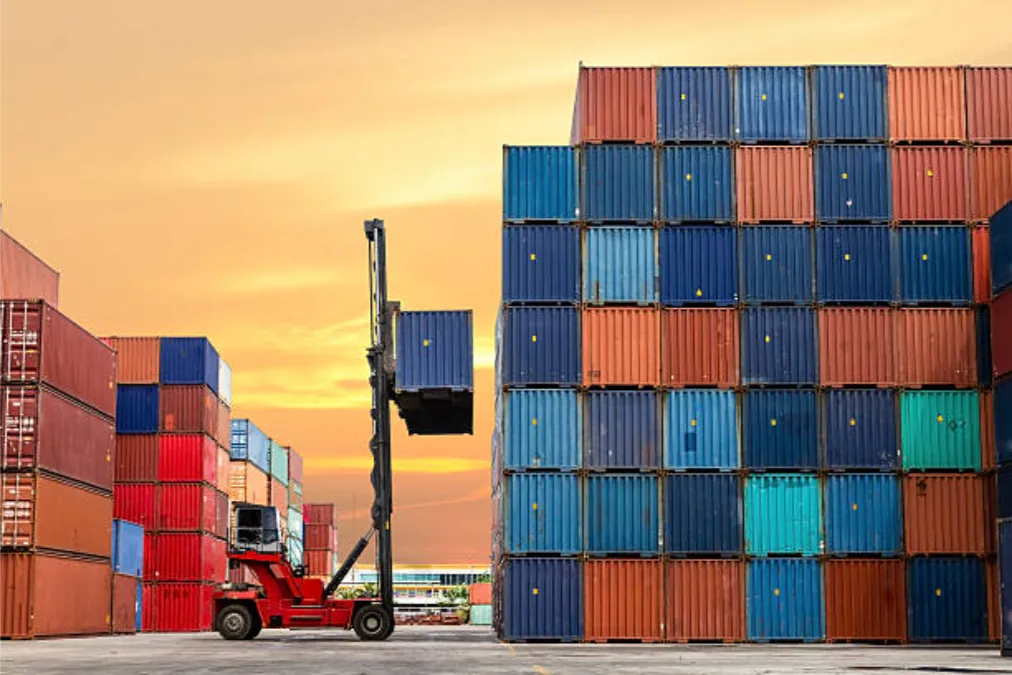
In international shipping, risk and responsibility refer to who is accountable for goods at each stage of transportation. This includes damage, loss, delays, customs issues, and delivery problems. Each Incoterm defines a different transfer point, which directly affects how much control and liability the buyer or seller carries.
Where Delivery and Risk Transfer Happen
The key difference between shipping terms lies in the exact moment risk transfers from seller to buyer.
Under EXW (Ex Works), risk transfers very early—once the goods are made available at the supplier’s factory or warehouse. From that point, the buyer assumes full responsibility for all transport stages.
Under FOB (Free On Board), risk transfers when the goods are loaded onto the vessel at the port of shipment. Before that, the seller is responsible for export clearance and delivery to the port.
Under CIF (Cost, Insurance, Freight), the seller pays for shipping and insurance to the destination port, but risk still transfers once goods are loaded on board—this often confuses beginners.
Under DDP (Delivered Duty Paid) or all-in shipping models, responsibility usually remains with the seller or logistics provider until the goods arrive at the buyer’s destination, offering the lowest risk exposure for importers.
Who Handles Shipping and Customs
Different Incoterms also determine who manages the actual logistics process, not just risk.
| Shipping Term | Shipping Responsibility | Customs Responsibility |
|---|---|---|
| EXW | Buyer handles all logistics from factory pickup | Buyer handles export and import |
| FOB | Seller delivers to port; buyer handles freight | Seller handles export, buyer handles import |
| CIF | Seller arranges freight to destination port | Buyer handles import clearance |
| DDP / All-In | Seller/logistics provider handles full delivery | Seller handles both export and import |
EXW gives maximum control but requires strong logistics capability. FOB is more balanced and widely used in international trade. CIF reduces freight complexity, while DDP offers the simplest importing experience.
Legal Responsibility Under Different Incoterms
From a legal perspective, Incoterms define liability boundaries in international contracts. If goods are damaged or lost before the risk transfer point, the seller is responsible. After that point, the buyer bears the loss.
For example, under FOB terms, if damage occurs after loading onto the vessel, the buyer is responsible even if the seller arranged inland transport earlier. This is why clearly defining Incoterms in contracts is essential to avoid disputes and unexpected financial exposure during shipping.
Scale Your Brand with Expert Product Sourcing in China

Which Shipping Term Fits Different Types of Importers
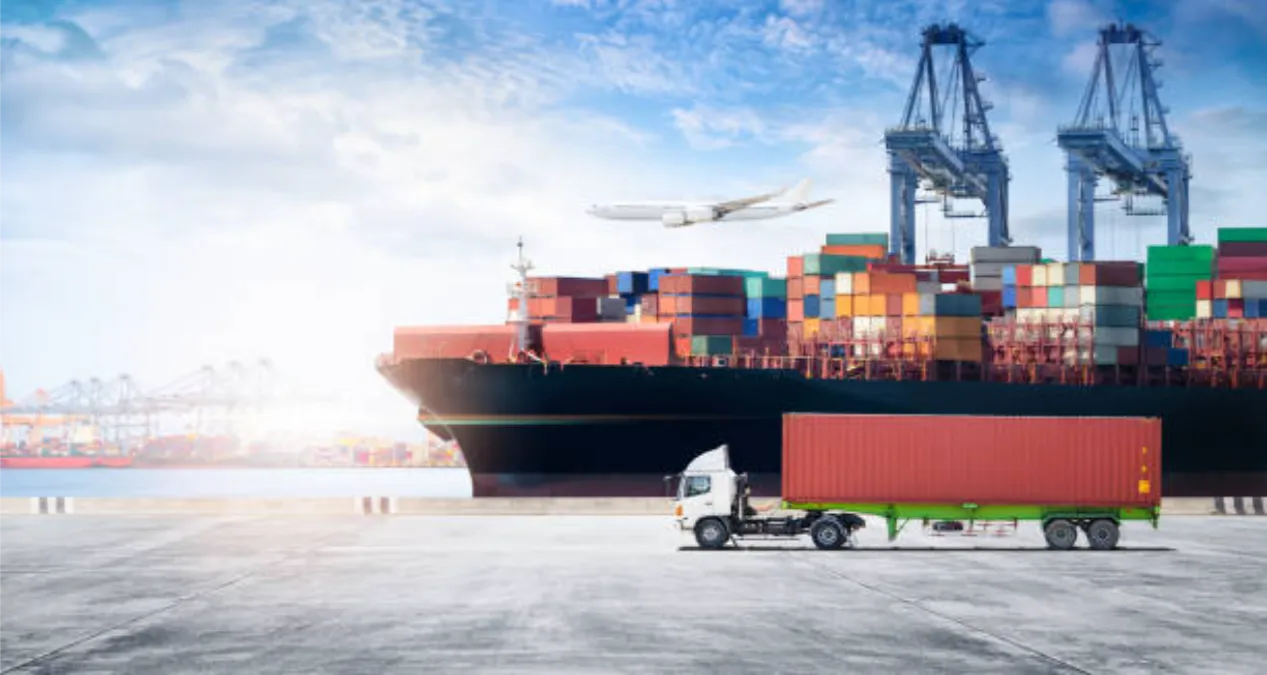
Different shipping terms are not “better” or “worse”—they are designed for different levels of experience, logistics capability, and cost control needs. The right choice depends on how much responsibility a business is willing and able to manage in the supply chain.
Why CIF and DDP Are Easier for Beginners
For first-time importers or small businesses, simplicity and predictability are often more important than full cost optimization. This is where CIF and DDP become more suitable.
With CIF, the seller handles freight and insurance to the destination port, reducing the need for the buyer to coordinate international shipping. However, import customs and local delivery are still required, which means some logistics knowledge is still needed.
With DDP or all-in shipping, most of the process is handled by the seller or logistics provider, including customs clearance and final delivery. This creates a “door-to-door” experience, which is easier for beginners but often comes with less control over cost breakdown and shipping routes.
Why Experienced Importers Prefer FOB or EXW
More experienced importers usually prefer FOB or EXW because these terms provide greater control over freight cost, shipping routes, and logistics partners.
Under FOB, buyers can choose their own freight forwarder and negotiate shipping rates directly, which helps optimize total landed cost and improve flexibility.
Under EXW, buyers gain full control over the entire logistics chain, from factory pickup to final delivery. This is typically used by importers who already have established freight networks and customs clearance experience.
While these options require more coordination, they often result in better cost efficiency at scale.
Choosing the Right Balance Between Cost and Control
The best shipping term is not the one with the lowest upfront price, but the one that matches a company’s operational capability and risk tolerance.
| Importer Type | More Suitable Shipping Terms | Key Reason |
|---|---|---|
| Beginners / Small businesses | CIF, DDP | Simpler process, lower logistics burden |
| Growing importers | FOB | Balanced control and manageable complexity |
| Experienced importers | EXW | Maximum control and cost optimization |
In practice, many businesses evolve their shipping strategy over time—starting with CIF or DDP for simplicity, then moving toward FOB or EXW as their supply chain capability becomes more mature.
Shipping Examples and Cost Calculations
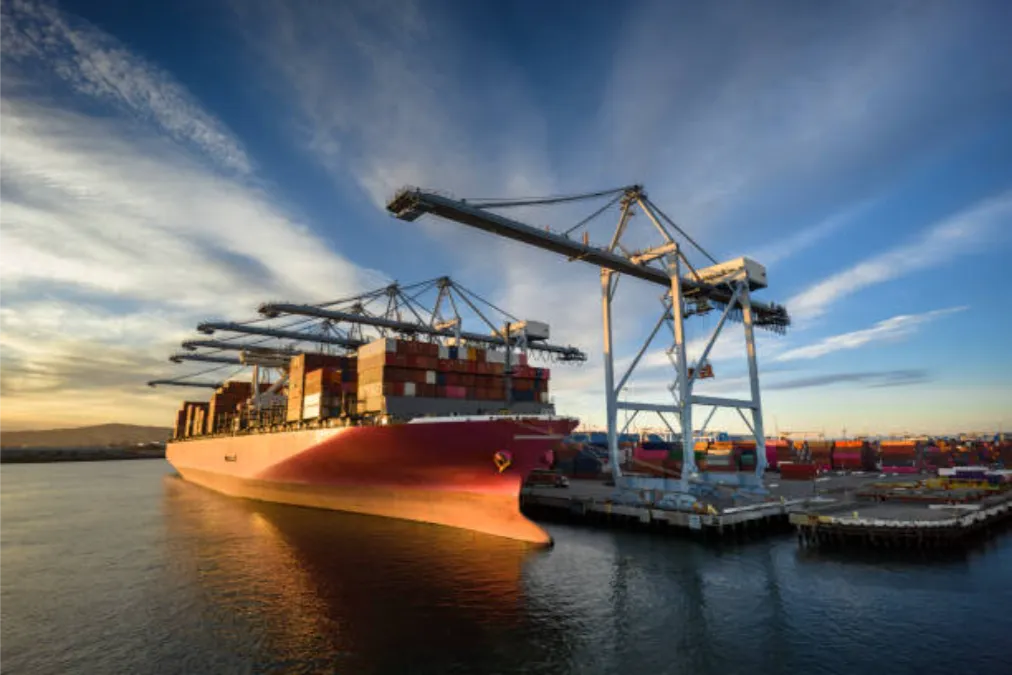
Understanding shipping terms becomes much easier when you see how they affect real import costs. In practice, the same product can have very different total expenses depending on whether you choose EXW, FOB, or all-in shipping.
How CBM and Chargeable Weight Are Calculated
Before comparing shipping costs, importers need to understand how freight is measured. Sea freight is calculated based on volume (CBM), while air freight is based on either actual weight or volumetric weight, whichever is higher.
| Calculation Type | Formula | Used For | Meaning |
|---|---|---|---|
| CBM (Cubic Meter) | Length × Width × Height (in meters) | Sea freight | Measures total cargo volume |
| Volumetric Weight | (L × W × H in cm) ÷ 6000 | Air freight | Space-based weight calculation |
| Chargeable Weight | Higher of actual weight or volumetric weight | Air freight | Final billing weight |
This means that even lightweight goods can become expensive to ship if they take up a large amount of space. For importers, optimizing packaging size is just as important as reducing product weight when controlling shipping costs.
Sample EXW vs FOB vs All-In Shipping Cost Comparison
To understand the real impact of Incoterms, consider a simple example: importing a small machine from China to the United States.
Under EXW, the buyer pays for pickup from the factory, export clearance, inland transport, international freight, insurance, customs clearance, and final delivery. Although the factory price is lower, total costs accumulate across multiple logistics stages.
Under FOB, the seller covers export clearance and delivery to the port. The buyer then pays for international freight, import duties, and local delivery. This creates a more transparent cost structure compared to EXW.
Under all-in shipping, most logistics costs are bundled into one quotation, including freight, customs handling, and delivery. This simplifies budgeting and reduces coordination effort, but provides less visibility into individual cost components.
Factors That Affect International Freight Rates in 2026
Shipping costs are not fixed and can change depending on market conditions. Fuel prices, seasonal demand, container availability, and port congestion all influence freight rates. Air freight is especially sensitive to space availability and urgent demand, while sea freight is more affected by vessel capacity and global trade flow.
Because of these fluctuations, importers should treat freight quotations as dynamic and compare options regularly before finalizing procurement decisions.
Final Thoughts
FOB, EXW, CIF, DDP, and all-in shipping define how cost, responsibility, and risk are distributed in international trade. For beginning importers, the key is not selecting the lowest quote, but choosing the shipping structure that fits their ability to manage logistics and control overall landed cost.
In practice, CIF and DDP are often easier for beginners, FOB offers a balanced approach, and EXW is best suited for experienced importers with established logistics systems. Understanding these differences helps reduce unexpected costs and improve decision-making in global sourcing. ASG works with importers across different shipping models, helping them choose and manage the most suitable approach for their supply chain needs.
Frequently Asked Questions
Which Incoterm is the safest for new buyers?
DDP (Delivered Duty Paid) is the safest option because the seller handles all logistics, customs clearance, and import duties. This eliminates buyer risk during transit and simplifies the process for those without established freight networks.
Why is EXW (Ex Works) considered risky for beginners?
EXW requires the buyer to manage everything from the seller’s premises onward. Beginners often lack the logistics expertise and freight network needed to handle international shipping and customs, making EXW the most demanding and potentially expensive term for inexperienced importers.
Does FOB cost more than other shipping terms?
While FOB has a higher upfront cost than EXW, it is often the smartest financial choice for long-term savings. It prevents the markups often found in DDP and CIF, allowing buyers to negotiate their own shipping rates and insurance for better cost efficiency.
Who controls the shipping under EXW vs. DDP?
Under EXW, the buyer has full control but assumes all responsibility. Under DDP, the seller has full control over carrier selection and freight terms, which is convenient for the buyer but often comes with a higher total landed cost due to the lack of transparency in shipping fees.
Which Incoterm is best for reducing trade disputes?
DDP minimizes disputes because the seller bears all responsibility until the goods arrive. However, for experienced importers, FOB is highly effective as it uses clear, globally recognized guidelines that assign specific loading and transit responsibilities, reducing legal ambiguity.



-300x198.png)


