
Scaling a product from prototype to mass production is one of the most complex stages in product development. While prototypes validate design and functionality, scaling introduces challenges related to manufacturing consistency, supplier coordination, quality control, and cost stability.
This guide explains how products transition from early prototypes to stable mass production while maintaining retail-level quality. It also highlights key risks during scaling and practical methods to improve manufacturing reliability as production volume increases.
Types of Prototypes

Prototypes serve different purposes across product development, helping teams validate design, functionality, and manufacturability before committing to large-scale production.
Concept, Functional, and Production Prototypes
Concept prototypes are early-stage models used to validate product appearance, dimensions, and general design direction. These prototypes are often created quickly using simplified materials or 3D printing methods to help teams evaluate product shape, ergonomics, and visual presentation before investing in expensive tooling or engineering development.
Functional prototypes focus on performance testing rather than appearance alone. At this stage, engineering teams evaluate structural strength, mechanical movement, electrical performance, thermal behavior, and user interaction. Functional testing helps identify design weaknesses early and allows manufacturers to optimize components before entering pilot production.
Production prototypes are the closest version to final mass-produced products. They are typically manufactured using production-grade materials, actual tooling methods, and near-final assembly processes. These prototypes help validate manufacturing feasibility, production consistency, assembly efficiency, packaging compatibility, and retail-level quality expectations before large-scale production begins.
Differences Between Prototype and Production Design
Prototype design prioritizes speed, flexibility, and validation, while production design focuses on repeatability and manufacturing stability. Many early prototypes use temporary materials or simplified structures that cannot be reliably reproduced at scale.
During prototyping, teams begin applying Design for Manufacturability (DFM) principles to reduce future production risks. This includes evaluating part complexity, material selection, tolerances, and assembly feasibility to ensure the design can transition smoothly into mass production.
A prototype may function correctly but still require adjustment before scaling. Addressing manufacturability early reduces redesign cycles and improves long-term production efficiency.
Moving From Prototype to Pilot Production

The transition from prototype to pilot production is where design validation meets real manufacturing conditions. Unlike prototypes, pilot runs use actual tooling, materials, and production workflows.
This stage helps confirm whether the product can be manufactured consistently at scale. It often reveals issues such as assembly variation, material inconsistency, tooling limitations, and process inefficiencies that are not visible during prototyping.
Identifying these issues early allows teams to refine the design and stabilize production before committing to full-scale manufacturing.
Design Validation and Engineering Adjustments
Design validation ensures that the product is not only functional but also suitable for scalable manufacturing. Unlike early prototypes, which may prioritize speed and flexibility, this stage focuses on how well the design performs under real production conditions.
Engineering teams often refine the product to improve manufacturability. This can include simplifying internal structures to reduce assembly difficulty, adjusting tolerances for consistent mass production output, and standardizing materials to minimize supplier variation. These refinements are critical because even small inefficiencies at the design level can become major issues once production scales.
At the same time, validation also checks whether the product can meet long-term requirements such as durability, compliance standards, and quality consistency. This ensures the design is stable enough for repeated manufacturing without performance degradation.
Pilot Runs, Tooling, and Process Testing
Pilot runs are small-scale production batches that simulate real factory operations. Unlike prototype builds, which are often partially manual or customized, pilot production uses actual tooling, machinery, and standardized manufacturing workflows.
This stage is used to evaluate how the product performs under real production conditions. Factories closely observe defect rates, assembly consistency, material behavior, and overall process efficiency. Any instability discovered here is significantly cheaper to fix than after mass production begins.
Tooling also plays a central role in this phase. Molds, dies, jigs, and fixtures are tested to ensure they produce stable, repeatable output without excessive variation or wear. Even minor tooling issues can lead to large-scale quality problems if they are not corrected before full production.
Pilot production also acts as the first full test of the complete manufacturing system, including supplier coordination, material flow, inspection procedures, and packaging readiness. It is often at this stage that quality control processes are finalized and standardized, ensuring the product is ready for stable mass production.
Preparing for Mass Production

Mass production requires a shift from validation to stability. The focus moves toward ensuring consistent output, controlled cost structures, and reliable supply chain performance.
At this stage, any weakness in supplier capability, materials, or process definition becomes amplified across production volume.
Supplier Selection and Factory Capacity Planning
Supplier selection at the mass production stage requires a more rigorous evaluation than earlier phases. Instead of focusing mainly on sample quality or unit pricing, procurement teams must assess production capacity, process stability, quality control systems, and long-term reliability.
A factory that performs well in prototype or pilot runs may not necessarily sustain performance at scale. As order volumes increase, limitations in equipment capacity, workforce consistency, or internal process control often become more visible. If these factors are not properly evaluated in advance, they can lead to bottlenecks, inconsistent output, or missed delivery timelines.
Capacity planning therefore becomes a critical step. Buyers must align production forecasts with actual factory capability to ensure that output targets are realistic and achievable. In many cases, this also involves verifying whether suppliers can scale their operations without compromising defect rates or production lead times.
To reduce risk, many companies also conduct supplier audits or work with sourcing and quality control partners to validate factory readiness. This helps ensure that the selected supplier is not only capable of producing samples, but also equipped to maintain stable mass production performance over time.
Standardizing Materials and Manufacturing Processes
Once suppliers are confirmed, the focus shifts toward standardization across materials and production processes. Without strict control, scaling production often leads to variation between batches, which directly affects product consistency and reliability.
Material standardization ensures that all components meet approved specifications, grades, and performance requirements. This reduces the risk of substitution or inconsistency caused by sourcing from multiple suppliers or adjusting materials for cost reasons. Maintaining stable material inputs is essential for ensuring that final products perform the same across all production batches.
At the same time, manufacturing processes must be clearly defined and documented. This includes assembly procedures, production sequences, inspection standards, and packaging requirements. When these processes are standardized, factories can operate with greater efficiency while maintaining consistent quality output and lower defect rates.
In more mature production systems, quality control checkpoints are also integrated directly into the manufacturing workflow. This ensures that deviations are identified early in the process rather than at the final inspection stage, reducing waste and improving overall production stability.
Together, supplier alignment and process standardization form the foundation of successful mass production, allowing businesses to scale without losing control over quality, cost, or delivery performance.
Building Retail-Level Quality Control
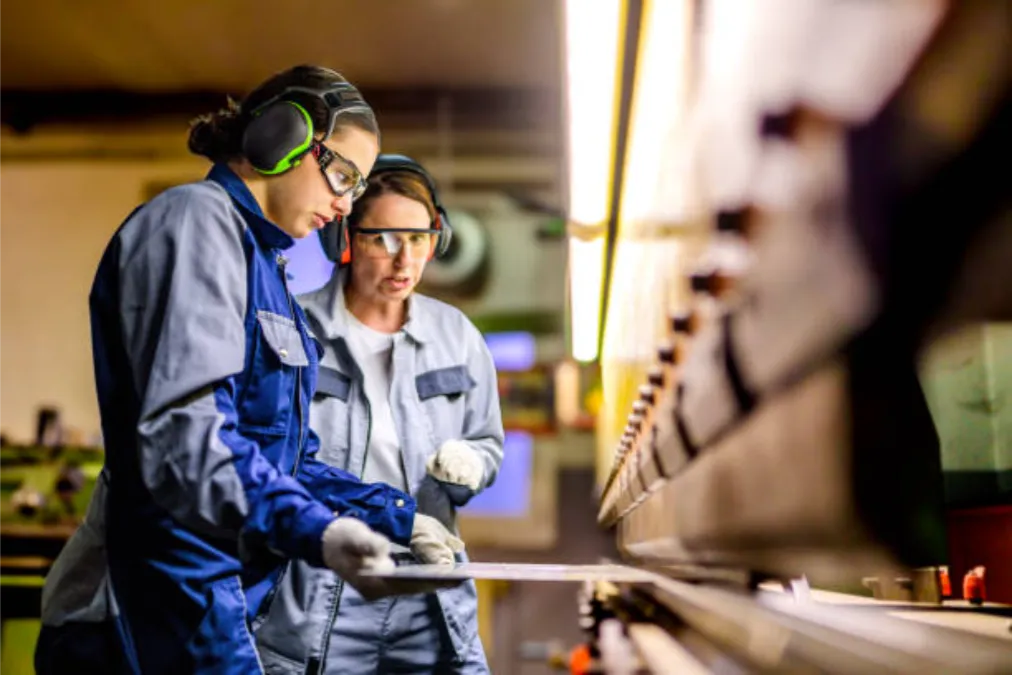
Retail-level quality control ensures that every unit meets consistent standards regardless of production volume. At this stage, quality becomes a system requirement rather than an inspection outcome.
Creating Quality Standards and Inspection Systems
The foundation of retail-level quality control is a clearly defined set of quality standards. These standards specify acceptable tolerances, material requirements, appearance guidelines, and functional performance expectations. Without them, factories may interpret requirements differently, leading to inconsistent outputs across production runs.
Inspection systems are then built around these standards to ensure compliance at different stages of production. This typically includes incoming material checks, in-process inspections, and final product inspections before shipment. Each stage serves a specific role in identifying issues early rather than allowing defects to accumulate at the end of production.
In more structured manufacturing environments, inspection processes are often supported by standardized checklists and sampling methods, which help reduce subjectivity and improve consistency across quality control teams.
Defect Prevention and Production Consistency
The foundation of retail-level quality control is a clearly defined set of quality standards. These standards specify acceptable tolerances, material requirements, appearance guidelines, and functional performance expectations. Without them, factories may interpret requirements differently, leading to inconsistent outputs across production runs.
Inspection systems are then built around these standards to ensure compliance at different stages of production. This typically includes incoming material checks, in-process inspections, and final product inspections before shipment. Each stage serves a specific role in identifying issues early rather than allowing defects to accumulate at the end of production.
In more structured manufacturing environments, inspection processes are often supported by standardized checklists and sampling methods, which help reduce subjectivity and improve consistency across quality control teams.
Scaling Supply Chain and Logistics

As production volume increases, supply chain performance becomes critical to maintaining stability. The focus shifts toward forecasting demand, managing lead times, and ensuring logistics reliability.
Inventory Forecasting and Lead Time Management
Inventory forecasting becomes essential when moving into large-scale production. Instead of reacting to orders, businesses must predict demand and align production schedules with expected sales cycles. This helps avoid both overstocking and stockouts, which can severely impact cash flow and customer satisfaction.
At the same time, lead time management becomes a key operational focus. As order volumes increase, even small delays at the supplier or logistics level can compound into significant disruptions downstream. Understanding production cycles, shipping schedules, and customs clearance timelines is necessary to maintain stable supply flow.
In mature supply chain systems, companies often build buffer inventory strategies and align multiple suppliers to reduce dependency risks and improve overall responsiveness.
Packaging, Compliance, and Retail Readiness
Packaging is no longer just a protective layer—it becomes part of the product’s retail readiness and compliance structure. At scale, packaging must be standardized to ensure consistency across all units while also meeting retailer and regulatory requirements.
Compliance considerations also become more important at this stage. Different markets may require specific labeling, safety certifications, or material disclosures. Failure to meet these requirements can result in shipment delays or rejection at customs or retail entry points.
Retail readiness also includes ensuring that packaging is optimized for storage, transportation, and shelf presentation. Efficient packaging design can reduce logistics costs, improve warehouse handling efficiency, and enhance product appeal at the retail level.
Together, strong forecasting, controlled lead times, and compliant packaging systems ensure that scaled production does not break down once products leave the factory floor.
Controlling Costs During Production Scaling

Cost control becomes increasingly complex during scaling. While unit costs often decrease with volume, total costs can rise if inefficiencies are not managed.
The goal is to balance cost efficiency with product quality and production stability.
Balancing Unit Cost and Product Quality
One of the most common mistakes during scaling is focusing too heavily on reducing unit cost while ignoring quality stability. Although higher volumes typically allow for better pricing, excessive cost-cutting can lead to material substitution, process shortcuts, or reduced quality control standards.
Sustainable cost optimization requires maintaining a clear link between cost structure and product performance. For example, small material upgrades or tighter tolerances may slightly increase unit cost but significantly reduce defect rates and warranty issues at scale.
In well-structured manufacturing systems, cost decisions are evaluated alongside quality control outcomes, ensuring that savings do not introduce long-term risks such as product failure or inconsistent batch performance.
Managing Tooling, MOQ, and Production Overhead
Tooling is one of the most significant upfront investments in mass production. Costs related to molds, dies, fixtures, and setup processes must be carefully planned because they are typically amortized across production volume. Poor planning at this stage can result in inflated per-unit costs or inefficient tooling usage.
Minimum Order Quantity (MOQ) also plays a key role in cost structure. Suppliers often set MOQs based on material procurement efficiency, machine setup time, and labor optimization. Understanding how MOQ impacts pricing helps buyers negotiate better volume structures and avoid unnecessary inventory pressure.
Production overhead—including labor, energy consumption, maintenance, and factory utilization—also affects long-term cost efficiency. As production scales, optimizing workflow efficiency and reducing downtime becomes essential to maintaining competitive pricing without compromising output quality.
Together, careful management of tooling investment, MOQ structure, and overhead costs ensures that scaling production remains financially sustainable while preserving consistent manufacturing quality.
Common Scaling Mistakes to Avoid

Scaling introduces risks that often stem from premature decisions and weak process control rather than design flaws.
Scaling Before Process Stability
One of the most critical mistakes is moving into mass production before the manufacturing process is fully stable. Even if a prototype or pilot run appears successful, it does not always guarantee that the process can be repeated consistently at higher volumes.
When scaling begins too early, factories may struggle with inconsistent output, unstable material behavior, and variation in assembly quality. These issues are often amplified when production pressure increases, leading to higher defect rates and unpredictable lead times.
A stable process should demonstrate repeatable results across multiple pilot batches, with controlled variation in materials, tooling performance, and assembly workflow. Without this stability, scaling becomes reactive rather than controlled, increasing both financial and operational risk.
Weak Supplier Communication and QC Oversight
Another common issue is insufficient communication between buyers, suppliers, and quality control teams. As production scales, coordination becomes more complex, and any gaps in communication can result in misaligned expectations, incorrect specifications, or inconsistent execution on the factory floor.
Weak quality control oversight further increases the risk of defects going undetected until later stages of production or even after shipment. Without clear inspection standards and consistent monitoring, small deviations can accumulate into large-scale quality failures.
Effective scaling requires continuous alignment between engineering requirements, supplier execution, and QC feedback loops. When communication and oversight are strong, issues are identified early and corrected before they affect full production output.
Working With Manufacturing and Sourcing Partners

Scaling introduces risks that often stem from premature decisions and weak process control rather than design flaws.
Benefits of On-the-Ground Supplier Management
On-the-ground supplier management improves visibility and control across the production process, especially when working with overseas manufacturers. It helps bridge communication gaps and ensures that production standards are maintained consistently.
Key benefits include:
- Real-time factory visibility: Enables direct monitoring of production progress and workflow status
- Faster issue resolution: Allows quality or scheduling problems to be addressed immediately on-site
- Stronger quality control enforcement: Ensures inspections and corrective actions are applied during production, not after shipment
- Improved communication accuracy: Reduces misunderstandings between technical requirements and factory execution
- Better production consistency: Helps maintain stable output quality across different batches
OEM/ODM Coordination and Factory Auditing
Working with OEM (Original Equipment Manufacturing), ODM (Original Design Manufacturing), and private label partners requires structured coordination to ensure product specifications are accurately translated into production output. Clear documentation, technical drawings, and standardized requirements are essential to avoid misinterpretation during scaling.
Factory auditing plays a key role in verifying whether a supplier is capable of meeting long-term production demands. Audits typically assess production capacity, process control systems, material sourcing reliability, and internal quality control procedures. This helps ensure that factories are not only capable of producing samples but are also prepared for stable mass production.
Regular audits and structured OEM/ODM or private label coordination help maintain alignment between design intent and manufacturing reality, ensuring that scaling efforts remain controlled, consistent, and aligned with retail-level quality expectations.
Final Thoughts
Scaling from prototype to mass production requires a controlled, repeatable manufacturing system where design, suppliers, and quality control work together.
The key is ensuring process stability before scaling, so production remains consistent and predictable at higher volumes.
Many companies also work with sourcing partners like ASG, which has experience in supplier management, production coordination, and quality control oversight during scaling. This helps bridge the gap between design intent and factory execution, especially in overseas manufacturing environments.
Ultimately, successful scaling depends on treating production as an ongoing system, not a one-time step, with strong supplier management and disciplined execution.
Frequently Asked Questions
Why does product quality often drop when scaling from prototype to mass production?
Quality declines during scaling due to process variations and deviations from standardized procedures. To prevent this, manufacturers implement Six Sigma protocols—aiming for fewer than 3.4 defects per million opportunities (DPMO)—and use Statistical Process Control (SPC) with control charts to monitor stability.
When is the most critical time to introduce Quality Control (QC) gates?
QC gates are most critical during the transition to mass production. This involves implementing 100% inspection for high-risk stages or rigorous sampling plans to verify that the manufacturing line can replicate the ‘golden sample’ consistently before reaching full capacity.
What are the core requirements for achieving retail-level quality?
Retail-ready quality requires Total Quality Management (TQM), continuous monitoring, and specific ISO 9001 adaptations. These systems ensure defect rates remain below 1%, which is the standard threshold for acceptance by major global retailers and distribution chains.
How do sourcing partners like ASG manage the costs of quality control?
Quality control costs are treated as an investment in risk mitigation, aligning with ISO 9001 standards. By implementing systematic QC at the factory level in China, buyers avoid the significantly higher costs associated with mass defects, shipping delays, and retail-level returns.



-300x198.png)


