
Updated April 2026. Based on ASG’s experience managing sourcing relationships across hundreds of Chinese suppliers since 2011.
The short answer is yes — with a process. Thousands of businesses source products from China without incident every day. The ones that get burned are usually not victims of some inherent danger in Chinese manufacturing; they’re victims of a skipped step in a verifiable, learnable process.
This guide covers two things that buyers searching this question actually need: a practical framework for sourcing safely from China, and — because a significant portion of the people asking this question are specifically researching the Made-in-China.com platform — an honest assessment of that platform specifically.
Let’s break down the real story behind the low prices, potential risks, and how to avoid China scams by working with trusted sourcing partners like Asian Sourcing Group.
Made-in-China.com: Is It Legitimate? (2026 Review)
Made-in-China.com (also written as madeinchina.com) is a B2B sourcing platform operated by Focus Technology Co., Ltd., a Nanjing-based company founded in 1996. It is one of China’s three major B2B export platforms alongside Alibaba and Global Sources, and it is entirely legitimate.
What Made-in-China.com is
A directory and marketplace connecting international buyers with Chinese manufacturers and suppliers. It has a strong focus on industrial goods, machinery, and manufacturing components — categories where it is often more useful than Alibaba, which skews toward consumer goods. The platform has been operating for nearly three decades and serves millions of buyers across more than 230 countries.
The honest assessment for B2B buyers
Made-in-China.com’s verification processes are meaningful but not comprehensive. The platform has its own supplier audit programme (“Assessed Supplier” status) that involves third-party factory audits — similar to Alibaba’s “Verified Supplier” designation. An Assessed Supplier badge indicates that an independent auditor has visited the factory and confirmed basic information about its operations. This is a genuine signal, not just a paid subscription.
Where to be cautious: like all B2B platforms, Made-in-China.com cannot verify every claim a supplier makes. Product descriptions are supplier-provided. Certifications listed should be independently confirmed before you rely on them.
What Made-in-China.com is good for
- Industrial machinery and equipment (pumps, compressors, CNC equipment)
- Manufacturing components (fasteners, valves, fittings, connectors)
- Building materials and construction equipment
- Chemical and industrial raw materials
- Consumer goods sourcing where Alibaba’s search results are too crowded with trading companies
How it compares to Alibaba
The supplier base on Made-in-China.com skews toward actual manufacturers rather than trading companies, primarily because its category focus (industrial goods) attracts fewer intermediaries. For consumer goods categories, Alibaba’s larger buyer pool means better supplier responsiveness. For industrial sourcing specifically, Made-in-China.com is frequently the more productive platform.
Is Made-in-China.com safe to use?
Yes. The platform uses standard B2B escrow and secure messaging. The risk with Made-in-China.com — as with any B2B platform — is not the platform itself but the suppliers you choose to engage with on it. The supplier vetting steps described in the next section apply equally to Made-in-China.com sourcing.
Is Buying from China Generally Safe?
The question “is it safe to buy from China” actually contains three distinct concerns that deserve separate answers:
Concern 1: Will I receive the product I ordered?
Yes, if you use established platforms with buyer protection (Alibaba Trade Assurance, Made-in-China.com escrow) for initial orders, and if you follow a basic supplier verification process.
Concern 2: Will the product be the quality I expect?
This depends almost entirely on how clearly you specify what you want and whether you inspect the goods before shipment. The single biggest driver of quality disappointment from Chinese suppliers is vague specifications — if you don’t define exactly what you want in writing, the factory will make a product that meets the minimum interpretation of your request.
Concern 3: Will the product be safe for consumers in my market?
This is the most important concern for anyone selling onward. Chinese manufacturers produce to a wide range of quality and compliance standards. Products destined for EU, US, UK, or Australian markets must meet those markets’ safety standards — CE, CPSC, RCM, etc. The factory’s responsibility ends at your purchase order; compliance for your market is yours.
Buying Direct from Chinese Factories: Is It Worth It?
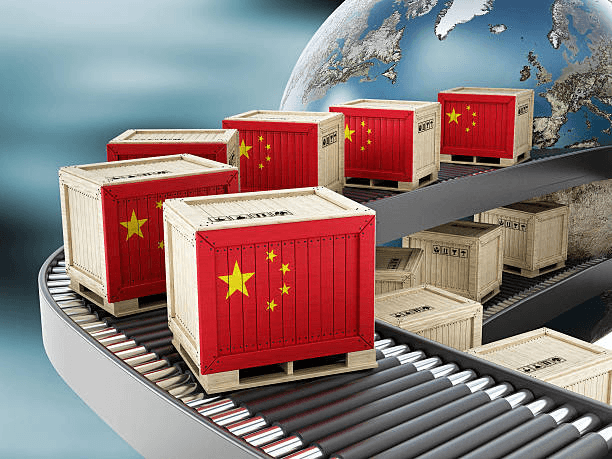
A related question that comes up often: is it better to buy direct from a Chinese factory rather than through a trading company or agent?
The advantages of direct factory purchasing:
- Lower unit cost (no trading company margin)
- Direct communication about production, lead times, and customisation
- More control over quality management processes
The practical challenges:
- Language barrier — most Chinese factories have limited English-speaking staff
- Minimum order quantities — factories often set higher MOQs than trading companies that aggregate orders
- Time commitment — direct sourcing requires more buyer involvement in supplier management
The middle path — sourcing agents: A professional sourcing agent in China provides factory-direct access and pricing while handling the communication, quality inspection, and logistics complexity. The agent’s fee is typically recovered in the price negotiation they achieve versus what an unaccompanied foreign buyer would pay. For buyers sourcing complex products, in multiple categories, or in markets where language is a significant barrier, a sourcing agent is often the most cost-effective route to factory-direct prices.
What Are the Risks of Importing from China?
Before hitting “buy,” it’s crucial to understand what could go wrong.
Falling Victim to a Fake Factory
- Some online “factories” are actually intermediaries—or worse, scammers.
- These fake factories use stolen photos, fabricated certificates, and inflated capabilities to lure inexperienced importers.
China Scams and Payment Fraud
- Wire transfers to fraudulent suppliers are nearly impossible to recover.
- Scammers may request full payment upfront and disappear before production even begins.
Inconsistent Product Quality
- Without strict oversight, quality can vary from sample to mass production.
- Gold Supplier status on Alibaba does not guarantee compliance or reliability.
Hidden Middlemen and Subcontracting
- A supplier may secretly outsource your order to another unvetted factory.
- This leads to product inconsistency, delays, and brand reputation damage.
Shipping Delays and Unforeseen Costs
- Long transit times, port congestion, and surprise tariffs can derail your launch schedule.
- Poor documentation can also trigger customs holds or extra fees.
Can You Trust “Made in China” Suppliers?

Yes—but only after proper vetting. There are many world-class factories in China, but finding them isn’t always easy.
Gold Supplier ≠ Guaranteed Supplier
- Many assume that Gold status or glowing reviews mean a supplier is safe.
- However, some Gold Suppliers still act as trading companies or subcontract work.
Factory Audits Are Non-Negotiable
- Visiting a supplier—or hiring a sourcing agent to audit it—is the most reliable way to verify legitimacy.
- On-ground inspections expose fake factories, outdated equipment, or unskilled labor.
Use Verified Sourcing Agents Like Asian Sourcing Group
- Based in Guangzhou, Asian Sourcing Group offers end-to-end sourcing: supplier matching, vetting, quality control, and logistics.
- Their hybrid model combines local factory access with 24/7 project tracking.
- Aimed at time-strapped importers, they help avoid fake factories and eliminate sourcing guesswork.
Ask for Samples and Certificates
- Don’t rely on catalog images—request a physical sample.
- Always verify certifications like CE, ISO, RoHS directly with the issuing body.
Secure Your Payments
- Use payment methods with protection (Alibaba Trade Assurance, PayPal, Escrow).
- Avoid full prepayments unless you’ve already built long-term trust.
How Asian Sourcing Group Helps You Source Safely
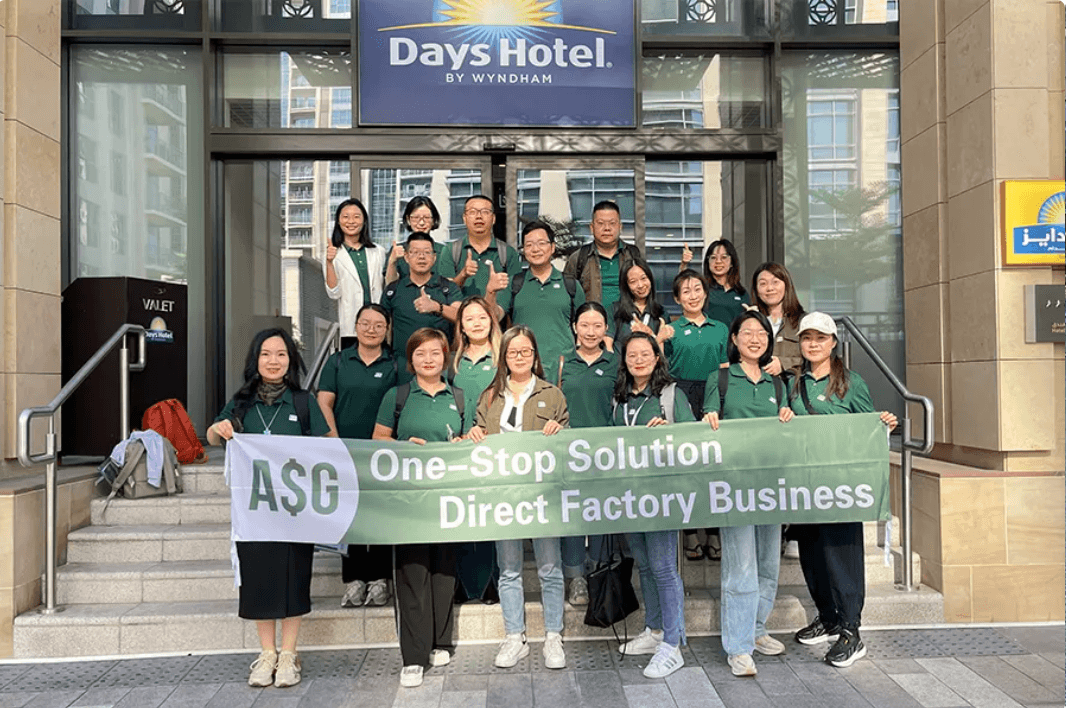
For businesses launching on Amazon, building a private-label brand, or scaling retail inventory, Asian Sourcing Group is your frontline defense against supplier fraud.
Why Choose Us?
- ✅ Factory Vetting: On-site inspections prevent engagement with fake factories.
- ✅ Transparent Pricing: No hidden markups—cost clarity from day one.
- ✅ Amazon-Ready Services: FBA prep, labeling, packaging design included.
- ✅ Canton Fair Support: In-person or remote guidance navigating suppliers.
- ✅ Live Project Dashboard: Real-time updates on production and logistics.
Customer Transformation Journey
- Before: “I don’t know if I can trust this supplier…what if I lose $20,000?”
- After: “We cut sourcing costs by 30% and got reliable QC every step of the way.”
Final Thoughts: Yes, It’s Safe—If You Do It Right
Buying from China is not inherently risky, but the process must be managed carefully. With countless success stories—and just as many cautionary tales—partnering with the right people can make or break your business.
Asian Sourcing Group is your best option if:
- You’re tired of ghosted suppliers and quality surprises.
- You want cost-effective, compliant products delivered on time.
- You’re scaling your Amazon FBA or DTC brand and can’t afford sourcing mistakes.
Frequently Asked Questions
Is Made-in-China.com a legitimate website?
Yes. Made-in-China.com is operated by Focus Technology Co., Ltd., a company that has been operating since 1996 and is one of China’s three major B2B export platforms. It is a legitimate sourcing platform with genuine supplier verification programmes. Like any B2B platform, the safety of individual transactions depends on the supplier you choose and the due diligence you apply.
Is buying from China safe?
Yes, with appropriate supplier verification. The risks in China sourcing are largely predictable and manageable: verify supplier legitimacy before ordering, use platform buyer protection for initial transactions, obtain samples before production, and conduct pre-shipment inspection on first volume orders. Buyers who follow this process have reliably good experiences; buyers who skip steps in the interest of speed or cost savings are the ones who encounter problems.
How do I know if a Chinese supplier is legitimate?
Verify their business registration on gsxt.gov.cn, cross-reference their factory claims against 1688.com, request a factory audit (video or physical), and start with a sample order before committing to volume. The combination of these steps reliably distinguishes legitimate manufacturers from fraudulent or unreliable suppliers.
What is the difference between Made-in-China.com and Alibaba?
Both are legitimate B2B platforms connecting international buyers with Chinese suppliers. Alibaba is larger and better for consumer goods; Made-in-China.com has a stronger industrial goods focus and its supplier base tends to include more actual manufacturers relative to trading companies. Both have third-party verification programmes for their premium supplier tiers.
Is it safe to pay Chinese suppliers by bank transfer?
For first orders with new suppliers, bank transfer (T/T) with 100% upfront payment carries significant risk. Standard practice is to use platform escrow (Alibaba Trade Assurance, Made-in-China.com escrow) for initial orders, or to structure payment terms as 30% deposit / 70% against copy of bill of lading. Never pay 100% upfront to a supplier you have no track record with, regardless of how convincing their presentation is.
Are products from China safe to sell in my market?
The factory’s responsibility ends at your specification and purchase order. Compliance with your destination market’s consumer safety requirements (CE for EU, CPSC for US, RCM for Australia) is the importer’s responsibility. Require relevant certifications from suppliers, independently verify them with the issuing certification body, and arrange product testing through accredited labs for your first order of any new product category.



-300x198.png)


