
For B2B procurement teams, a factories production delay is more than a small scheduling issue. It can affect delivery commitments, increase costs, and create pressure across the supply chain. These delays are usually not caused by one single problem, but by a mix of capacity limits, material shortages, and communication gaps between buyers and factories.
This article explains the main reasons factories fall behind schedule. Learn how to identify bottlenecks earlier, improve communication, and apply structured planning to maintain stable production in a volatile supply environment.
Real Causes of Factories Delay Production
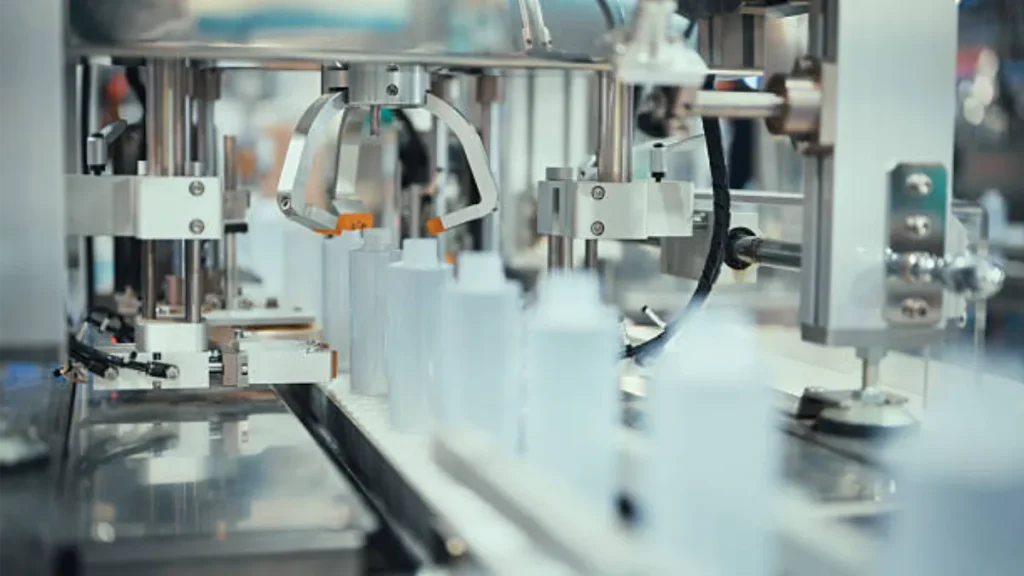
Production delays are rarely caused by a single issue. In most cases, they result from a combination of external supply chain pressure, factory capacity limitations, and internal planning problems. When several risks appear at the same time, production schedules become unstable and delivery timelines begin to slip.
Trade Uncertainty and Supply Chain Disruptions
Global trade conditions continue to create pressure across manufacturing supply chains. Tariff changes, customs inspections, rising freight costs, and regional conflicts can all disrupt material flow and production planning.
Many factories also depend heavily on upstream suppliers for raw materials, components, and packaging. When suppliers fail to deliver on time, production schedules are immediately affected. Even small disruptions in transportation or material availability can create delays across multiple production stages.
Common external disruption factors include:
- Tariff changes and trade policy adjustments
- Port congestion and container shortages
- Delayed raw material shipments
- Customs clearance delays
- Regional conflicts affecting logistics routes
- Sudden increases in transportation costs
As supply chains become more interconnected, disruptions in one region can quickly affect production timelines in another. This makes external trade uncertainty one of the most difficult delay factors for factories and importers to fully control.
Capacity Constraints and Seasonal Pressure
Factories operate within fixed production limits based on available labor, equipment capacity, and operating hours. During peak seasons, incoming orders can exceed what the factory is realistically able to produce within the planned timeline.
Many manufacturers rely on rolling production plans to manage seasonal demand increases. However, when order volume rises too quickly, factories often struggle to scale labor and machine capacity at the same speed. This creates scheduling conflicts where some orders are delayed while higher-priority production receives available resources first.
Production pressure becomes significantly more dangerous when factory utilization approaches maximum capacity. Once utilization levels move close to the 90% threshold, production stability drops rapidly. At this stage, even small disruptions can create major bottlenecks across the production line.
Typical high-capacity risk factors include:
- Machine downtime during peak production periods
- Insufficient labor availability
- Overlapping customer delivery deadlines
- Long equipment changeover times
- Material shortages during seasonal demand spikes
High-capacity operation also increases secondary risks such as equipment wear, worker fatigue, reduced efficiency, and quality inconsistency. As a result, factories operating under heavy seasonal pressure are far more vulnerable to production delays and shifting delivery schedules.
Forecasting Errors and Internal Planning Gaps
Internal planning problems remain one of the most common causes of production instability. Many factories struggle to balance demand forecasting, labor allocation, material purchasing, and production scheduling at the same time.
Inaccurate demand forecasts often create production imbalance. Overestimating demand can overload inventory and reduce operational efficiency, while underestimating demand may result in material shortages and missed production targets.
Labor scaling is another major challenge. Hiring and training production workers requires time, especially for specialized manufacturing processes. During rapid demand increases, factories often cannot expand workforce capacity quickly enough to maintain stable output levels.
Weak KPI tracking further limits production visibility. Without consistent monitoring of lead times, production attainment, equipment utilization, and order turnover rates, factories may fail to identify bottlenecks until delays have already affected delivery schedules.
Common internal planning failures include:
- Inaccurate sales forecasting
- Delayed material purchasing decisions
- Weak production KPI monitoring
- Insufficient labor planning
- Poor coordination between departments
- Slow response to demand fluctuations
How Factories Prioritize Orders

Factories do not process every order equally. When production capacity becomes tight, managers must decide which orders receive machine time, labor allocation, and shipping priority first. These decisions are influenced not only by scheduling logic, but also by customer pressure, communication behavior, and perceived business risk.
Production Scheduling and Capacity Allocation
Most factories manage production through internal scheduling systems that balance delivery deadlines, available capacity, material readiness, and customer importance. During normal operating periods, production lines may follow relatively stable planning cycles. However, once capacity pressure increases, factories begin reallocating resources toward orders they consider higher priority.
Priority is often influenced by several operational factors:
- Long-term customer relationships
- Order volume and profit margin
- Delivery urgency
- Payment reliability
- Production complexity
- Communication frequency
Factories also evaluate how difficult an order will be to manage internally. Orders with unstable specifications, frequent changes, or unclear approvals may be delayed in favor of production that can move through the factory more efficiently.
| Priority Factor | Factory Evaluation | Production Impact |
|---|---|---|
| Long-Term Cooperation | Stable repeat business | Higher scheduling priority |
| Large Order Volume | Higher revenue contribution | More resource allocation |
| Urgent Delivery Requests | Shorter available timeline | Schedule adjustment pressure |
| Frequent Specification Changes | Higher operational complexity | Increased delay risk |
As production pressure increases, factories naturally shift toward protecting operational stability and profitable customer relationships. This means lower-priority orders are more likely to experience delays during peak periods.
Behavioral Drivers in Factory Decision-Making
Factory scheduling decisions are not purely based on systems and production data. Human behavior also plays a major role in how managers allocate time and resources across active orders.
One common pattern is the “squeaky wheel” effect. Customers who maintain constant follow-up, rapid approvals, and active communication often receive more attention than passive accounts with limited engagement. In many cases, factories interpret active communication as a sign that an order carries higher business risk if delayed.
Local presence also changes factory behavior. Orders managed by sourcing teams or representatives inside China are often treated differently from accounts managed entirely through overseas email communication. The possibility of direct on-site follow-up creates additional pressure for factories to maintain schedule discipline.
At the same time, many factories use defensive overbooking strategies to protect themselves against cancellations, unstable forecasts, or sudden market shifts. This means factories may accept more orders than their actual safe capacity can support, expecting some schedules to move or disappear later.
Common behavioral drivers include:
- Fear of losing major customers
- Preference toward high-pressure accounts
- Priority given to locally monitored projects
- Defensive overbooking during uncertain demand periods
- Internal pressure to maximize factory utilization
These behavioral patterns explain why production schedules sometimes shift unexpectedly, even when factories originally confirmed stable lead times. Understanding these decision-making dynamics helps explain why some orders move faster than others under identical production conditions.
Why Communication Often Fails

Production delays are often made worse by communication failures between factories, sourcing teams, and procurement managers. In many manufacturing environments, information still moves through fragmented reporting chains, manual updates, and inconsistent internal coordination. As production pressure increases, these communication weaknesses become more visible and harder to control.
Manual Reporting and Information Gaps
Many factories still rely heavily on manual reporting processes using spreadsheets, chat messages, phone calls, and verbal updates between departments. While this approach may work during stable production periods, it becomes unreliable when multiple orders, schedule changes, and production problems happen at the same time.
Many importers also struggle because they cannot directly verify Chinese factories during production. Without independent visibility into workshop activity, reporting accuracy depends entirely on factory communication, which increases the risk of delayed issue detection and inconsistent production updates.
Production updates often pass through several layers before reaching customers. Sales teams collect information from production supervisors, who may already be managing multiple lines and shifting priorities. As a result, updates can become delayed, incomplete, or inconsistent by the time they are shared externally.
Common reporting problems include:
- Delayed production updates
- Inconsistent milestone reporting
- Missing production data
- Different departments sharing conflicting information
- Slow approval and confirmation processes
- Weak coordination between production and sales teams
| Communication Gap | Operational Effect | Production Risk |
|---|---|---|
| Delayed Reporting | Late visibility into production issues | Delayed response actions |
| Conflicting Updates | Unclear production status | Planning instability |
| Missing Production Data | Weak operational visibility | Undetected bottlenecks |
| Slow Internal Approval | Delayed production decisions | Schedule slippage |
When reporting systems depend too heavily on manual coordination, production risks become harder to detect early. Small delays or quality issues may remain hidden until they begin affecting shipment timelines directly.
Miscommunication Inside Production Environments
Communication problems are not limited to customer updates. Many issues begin inside the factory itself, especially in fast-moving production environments where teams operate across multiple shifts, departments, and production stages.
Factory environments are often noisy, high-pressure, and time-sensitive. Verbal instructions may be misunderstood or lost entirely during busy production periods. Shift handovers also create additional risk when production information is not documented clearly between teams.
In some factories, quality instructions, specification changes, or scheduling adjustments are communicated informally rather than through centralized tracking systems. This increases the likelihood of production inconsistency, rework, and operational confusion.
Internal communication failures commonly occur through:
- Incomplete shift handovers
- Verbal-only production instructions
- Missing update confirmations
- Poor coordination between QC and production teams
- Delayed escalation of production problems
- Inconsistent document version control
These communication weaknesses become more dangerous when factories operate near full capacity. Under production pressure, teams focus heavily on maintaining output speed, which increases the risk that operational details are overlooked or passed incorrectly between departments.
Without clear confirmation systems and centralized reporting, factories may continue production based on outdated instructions or inaccurate assumptions. This often leads to quality problems, rework loops, and delivery delays that could have been prevented through better internal coordination.
Scale Your Brand with Risk-Free China Product Sourcing

Strategic Methods for Managing Production Delays

Managing production delays effectively requires more than pushing factories for faster updates. Stable execution depends on stronger scheduling logic, better operational visibility, and escalation methods that solve problems without damaging long-term cooperation.
Using Smarter Scheduling and Priority Systems
Factories under production pressure rely heavily on scheduling systems to determine how labor, machine time, and materials are allocated. Understanding these systems helps importers push production more effectively without creating unnecessary conflict.
One widely used method is Earliest Due Date (EDD) scheduling, where orders with the closest delivery deadlines receive priority allocation. Another common approach is FIFO (First-In-First-Out), which helps maintain production flow consistency by preventing uncontrolled order jumping between queues.
Factories also apply operational efficiency methods such as SMED (Single-Minute Exchange of Die) to reduce machine changeover time between product runs. Faster changeovers improve scheduling flexibility and reduce production downtime during busy periods.
Instead of relying only on pressure-based communication, importers can improve production priority by:
- Confirming delivery schedules early
- Locking specifications before production begins
- Reducing unnecessary engineering changes
- Providing faster approvals during production stages
- Maintaining stable communication during peak periods
| Scheduling Method | Operational Purpose | Production Benefit |
|---|---|---|
| EDD Scheduling | Prioritize nearest deadlines | Reduced late deliveries |
| FIFO Queue Control | Maintain production order sequence | Stable workflow management |
| SMED Changeover Reduction | Minimize machine setup time | Higher scheduling flexibility |
Factories are more likely to accelerate orders when production planning remains stable and operational disruptions are minimized. Clear scheduling discipline often produces better results than aggressive escalation alone.
Improving Visibility Through Tracking and QC
Production visibility is essential for identifying risks before they become shipment delays. Without reliable tracking systems, problems often remain hidden until the final production stage, leaving little time for correction.
Effective visibility depends on monitoring production across multiple checkpoints rather than relying only on final delivery dates. This includes tracking material readiness, production progress, QC status, and shipping alignment throughout the manufacturing cycle.
Key operational indicators commonly used to monitor production stability include:
- Cycle time across production stages
- Production output attainment
- QC defect rates
- Rework frequency
- On-time shipment performance
- Material readiness status
Third-party QC inspections also provide independent validation of production conditions. Instead of depending entirely on factory-reported progress, inspections help confirm whether production quality and schedule status actually match reported timelines.
Real-time monitoring systems further improve visibility by allowing production teams to identify bottlenecks earlier. When production delays appear at one stage, corrective action can be applied before the disruption spreads across the entire order schedule.
| Visibility Tool | Monitoring Focus | Operational Value |
|---|---|---|
| Cycle Time Tracking | Production speed and bottlenecks | Earlier delay detection |
| QC Inspections | Product quality validation | Reduced rework risk |
| Production Milestone Reporting | Stage-by-stage progress verification | Improved schedule visibility |
| Real-Time Monitoring | Operational status tracking | Faster corrective response |
Stronger visibility allows production risks to be identified earlier, reducing the likelihood of last-minute delivery surprises and emergency schedule adjustments.
Escalating Production Issues Without Damaging Supplier Relationships
Escalation becomes necessary when production delays continue despite normal follow-up and coordination. However, aggressive escalation often damages supplier cooperation and may reduce factory willingness to prioritize the order later.
Effective escalation focuses on solving operational problems rather than assigning blame. The goal is to stabilize production while maintaining long-term working relationships.
A structured escalation process typically follows three levels:
- Routine operational coordination
- Management-level production recovery planning
- Executive-level intervention for critical delays
| Escalation Level | Primary Focus | Typical Action |
|---|---|---|
| Level 1 | Routine coordination | Production update alignment |
| Level 2 | Management recovery planning | Corrective milestone scheduling |
| Level 3 | Executive intervention | Strategic resolution or supplier replacement |
Successful escalation also depends on communication discipline. Production problems should be discussed using verified production data, clear action requests, and realistic recovery expectations rather than emotional pressure.
Factories are generally more cooperative when discussions focus on operational recovery instead of blame. Maintaining professional communication during difficult production periods improves the chances of restoring schedule stability without weakening long-term supplier relationships.
Metrics to Predict Delays
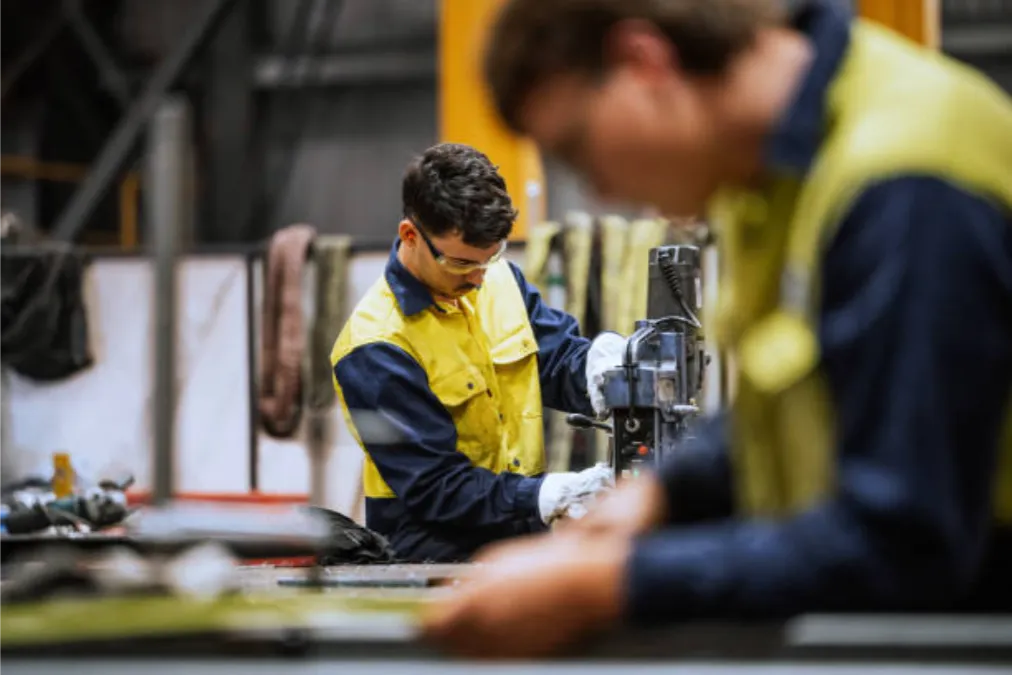
Production delays are easier to manage when risks are identified before shipment deadlines are affected. Instead of relying only on estimated delivery dates, factories and sourcing teams use operational metrics to detect bottlenecks, equipment instability, and supply chain disruptions earlier in the production cycle.
Production Performance Indicators
Production performance indicators help measure whether manufacturing is progressing at a stable and sustainable pace. When these metrics begin to weaken, they often signal growing production pressure long before final delivery dates change.
One of the most important indicators is cycle time, which measures how long production takes from one stage to the next. Rising cycle times usually indicate bottlenecks, labor shortages, machine congestion, or workflow inefficiencies.
Production attainment is another critical metric. It compares planned output against actual completed production. When factories consistently fail to reach planned output targets, production schedules become increasingly unstable.
On-time shipment performance also provides visibility into operational consistency. Frequent shipment delays often indicate deeper scheduling or capacity problems inside the factory.
Key production monitoring indicators include:
- Cycle time trends
- Production attainment rates
- On-time shipment performance
- Rework frequency
- Output consistency across production stages
- QC pass rates
| Performance Metric | Monitoring Focus | Delay Signal |
|---|---|---|
| Cycle Time | Production speed between stages | Growing bottlenecks |
| Production Attainment | Planned vs actual output | Capacity instability |
| On-Time Shipment | Delivery schedule consistency | Schedule slippage |
| QC Pass Rate | Production quality stability | Higher rework risk |
Tracking these indicators consistently allows production teams to identify operational problems earlier and apply corrective actions before delays spread across the entire production schedule.
Equipment and Supply Chain Reliability
Production stability also depends heavily on equipment reliability and supply chain consistency. Even when scheduling plans appear stable, weak machine performance or material shortages can quickly interrupt production flow.
Factories commonly monitor MTBF (Mean Time Between Failures) to measure equipment reliability. A declining MTBF often signals that machines are approaching failure conditions and may soon require maintenance or replacement.
Another important metric is MTTR (Mean Time to Repair), which measures how quickly equipment can return to operation after breakdowns occur. Longer repair times increase production downtime and reduce schedule flexibility.
Supply chain reliability is equally important. Forecast accuracy helps measure whether factories are purchasing the correct amount of materials based on actual production demand. Weak forecasting accuracy often leads to material shortages, excess inventory, or unstable purchasing cycles.
Factories also monitor availability rates to evaluate how much actual production time remains usable after accounting for breakdowns, maintenance, and operational interruptions.
Common reliability monitoring areas include:
- Machine failure frequency
- Equipment repair duration
- Material availability stability
- Forecast accuracy
- Operational downtime
- Supplier delivery consistency
When equipment reliability and supply chain stability begin weakening at the same time, production risk increases significantly. Monitoring these indicators early allows factories and sourcing teams to react before delays begin affecting shipment schedules and customer commitments.
Final Thoughts
Managing production delays today requires more than constant follow-up with factories. Stable delivery performance depends on understanding capacity pressure, identifying bottlenecks early, and maintaining clear operational visibility across the supply chain.
When you work with a China sourcing partner like ASG, you gain local support for production monitoring, quality control, and supplier coordination. By improving visibility and reducing communication gaps, ASG helps keep production schedules more stable in an increasingly unpredictable manufacturing environment.
Frequently Asked Questions
What are the primary triggers for manufacturing production delays?
Production delays are generally triggered by five core issues: unplanned equipment downtime, supply chain disruptions such as material stockouts, labor shortages or skills gaps, poor demand forecasting, and a lack of real-time visibility caused by manual data collection methods.
How much does unplanned equipment downtime actually cost manufacturers?
Unplanned downtime is the most expensive cause of delays, costing U.S. manufacturers an estimated $50 billion annually. In the automotive sector, stops can cost as much as $260,000 per hour.
How frequently do labor shortages impact production schedules?
Labor issues are a persistent challenge; approximately 45% of manufacturers report experiencing production delays at least once a week due to turnover and the ongoing skills gap in the workforce.
Why is manual data collection a bottleneck for factory efficiency?
When factories rely on handwritten notes or spreadsheets, data reaches planners too late to be actionable. This lack of real-time visibility prevents proactive intervention, meaning delays are often discovered only after they have already disrupted the schedule.
How do supply chain disruptions contribute to lead time issues?
Shortages of raw materials and poor communication from sub-suppliers create bottlenecks. Without a transparent view of the supply chain, manufacturers often find themselves without the necessary components to begin production on time.



-300x198.png)


