
Whether you’re a luxury enthusiast or a bargain hunter, the China online marketplace offers different types of shopping platforms. These Chinese e-commerce websites are similar to Amazon, in many cases, far surpass it in scale and innovation.
This guide covers the 20 platforms that actually matter in 2026: what each one does, who uses it, the latest active user numbers, and which ones are useful for sourcing products versus finding consumers. Whether you’re an expat shopping in China, a brand trying to reach Chinese consumers, or an importer researching where your Chinese suppliers operate, the landscape looks very different depending on what you’re trying to do.
Updated April 2026. Platform data reflects Q1 2026 figures where available.
How China’s Shopping Platforms Are Organised
Unlike the West, where Amazon dominates and everything else is a distant second, China’s e-commerce market has genuine competition across multiple tiers:
- The established giants (Taobao/Tmall, JD.com, Pinduoduo) — handle the overwhelming majority of transaction volume
- Social commerce platforms (Douyin, Xiaohongshu, Kuaishou) — where discovery and purchase have merged into the same experience
- Vertical specialists (Poizon/Dewu, COACH, luxury platforms) — dominating specific categories
- Cross-border platforms (AliExpress, Tmall Global, Kaola) — bridging Chinese sellers and international buyers in both directions
Top 23 E-commerce Online Shopping Platforms in China
| Platform | Target Audience | Unique Feature |
| Taobao | Bargain hunters and everyday shoppers | Affordable products, live-streaming, endless product variety |
| Douyin(TikTok China) | Social shoppers and Gen Z users | Shop directly via short, engaging videos |
| TikTok Shop | Social shoppers and Gen Z users | Blends entertainment with e-commerce |
| Pinduoduo | Budget-conscious group buyers | Group buying with significant discounts and gamified experience |
| Xiaohongshu | Beauty and lifestyle enthusiasts | Trusted reviews and influencer-driven recommendations |
| JD.com | Quality-conscious shoppers | Fast delivery and authentic products |
| Tmall | Brand-conscious consumers | Official brand stores ensuring quality and authenticity |
| 1688 | Wholesalers and small businesses | Bulk purchases at factory-direct prices |
| SMZDM | Bargain hunters and informed buyers | Community-driven deal-sharing and product reviews |
| Meituan | Foodies, travelers, and service seekers | Integration of e-commerce with local services |
| Dianping | City dwellers seeking recommendations | Trusted reviews for restaurants and local services |
| Amazon China | Cross-border shoppers | Authentic international goods with global logistics |
| Temu | Budget-conscious shoppers | Ultra-low prices and direct sourcing from suppliers |
| Vipshop | Budget-conscious branded goods seekers | Exclusive discounts and flash sales |
| YiHaoDian | Grocery shoppers and household consumers | Affordable groceries and essentials with efficient delivery |
| Suning | Electronics and home appliance shoppers | Strong offline and online integration for a seamless experience |
| DEWU | Sneakerheads and fashion-forward youth | Exclusive sneaker drops and limited-edition streetwear |
| Poizon | Sneakerheads, collectors, and fans of exclusive fashion drops | Wider variety of fashion categories and authentication service |
| Dangdang | Book lovers and niche category shoppers | Extensive book collection and diversified product offerings |
| WeChat (Mini-program) | General consumers and businesses | Integrated shopping within a social networking ecosystem |
| Kaola | Cross-border shoppers | Access to international goods and trusted imported products |
| GOME | Electronics and home appliance buyers | Affordable prices with strong after-sales support |
| Mogujie | Young women interested in fashion | Social-commerce platform focused on fashion and beauty |
Taobao
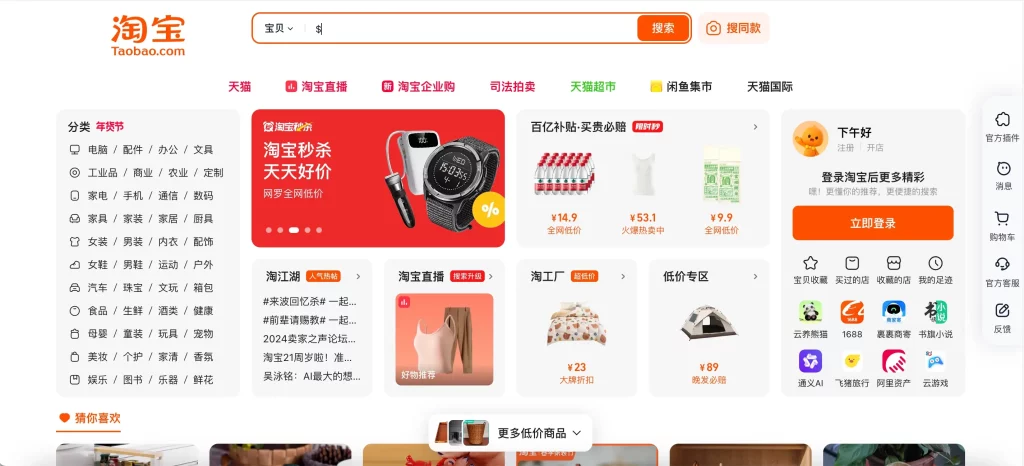
- Target Audience: Bargain hunters and everyday shoppers
- Monthly Active Users: 982.78 million
- What is Special About Taobao: Taobao is an all-in-one marketplace offering affordable products, innovative search options, and interactive features like live-streaming.
Taobao, launched by Alibaba in 2003, is a consumer-to-consumer (C2C) marketplace that revolutionized online shopping in China. With its vast array of products ranging from everyday essentials to niche items, Taobao caters to millions of sellers and buyers. It fosters entrepreneurship by enabling small businesses to access a global market.
What makes Taobao different in 2026 is how it has evolved beyond search-and-buy. Live-stream commerce, social sharing, and AI-powered recommendations mean that many purchases now start with content, not a search bar. For importers and sourcing agents, Taobao is a useful market research tool — what’s trending on Taobao today often predicts what Western mass-market consumers will want in 12–18 months.
B2B relevance: Moderate. Many small factories and suppliers maintain Taobao storefronts. Not the right channel for bulk B2B sourcing, but valuable for product trend research and sampling.
Buying for your business? Avoid the high markups on these platforms! If you need wholesale sourcing, contact Asian Sourcing Group instead. We help you skip the middlemen and buy directly from the factory.
Douyin (TikTok China)
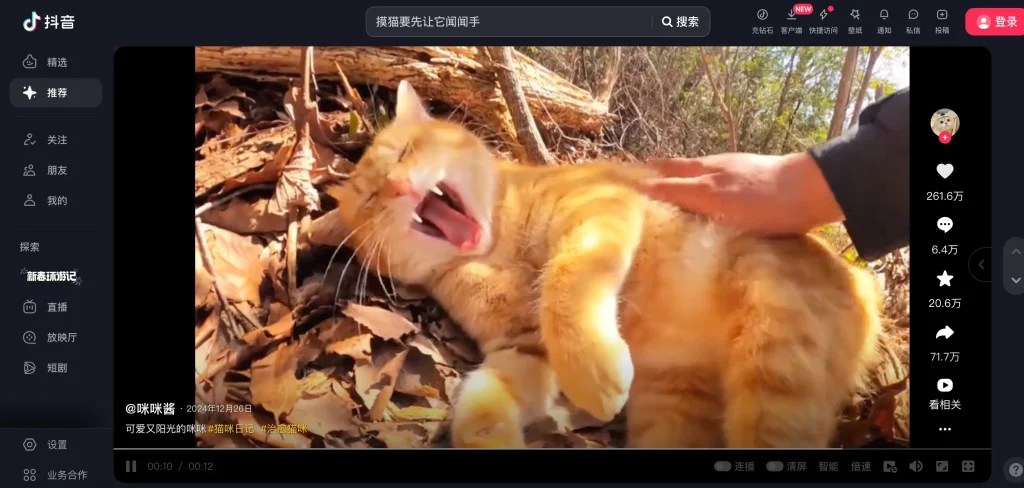
- Target Audience: Social shoppers and Gen Z users
- Monthly Active Users: 936.41 million (as of Sep 2025)
- What is Special About Douyin: Douyin combines entertainment and e-commerce, allowing users to shop directly through short, engaging videos.
Douyin, the Chinese version of TikTok, was introduced by ByteDance in 2016. While primarily known as a short-video platform, Douyin has seamlessly integrated e-commerce into its ecosystem. By leveraging its massive user base and algorithm-driven personalization, Douyin empowers influencers and brands to promote products in an engaging way.
The purchase loop on Douyin looks nothing like a conventional shopping session: a user watches a short video or live-stream, a product catches their attention, they tap to buy without leaving the app, and it ships. The entire decision cycle can take under 30 seconds. For brands, this creates both opportunity (impulse-driven scale) and risk (hard to control the narrative when your products are being demonstrated by thousands of influencers simultaneously).
B2B relevance: Low for sourcing. Very high for brands trying to reach Chinese consumers, particularly in fashion, beauty, food, and consumer electronics.
TikTok Shop

- Target Audience: Social shoppers and Gen Z users
- Monthly Active Users: 870 million (as of 2025)
- What is Special About TikTok Shop: TikTok Shop blends entertainment with e-commerce, allowing users to shop directly through short, engaging videos on a global scale.
Building on Douyin’s success, TikTok Shop brings the power of social media commerce to a global audience. TikTok Shop is an integral part of the TikTok ecosystem, providing a seamless shopping experience within the app. Brands and influencers promote products creatively, leveraging TikTok’s vast global audience to drive sales.
Its interactive shopping model, where users can purchase directly from engaging video content, has made TikTok Shop a major player in social commerce.
Pinduoduo
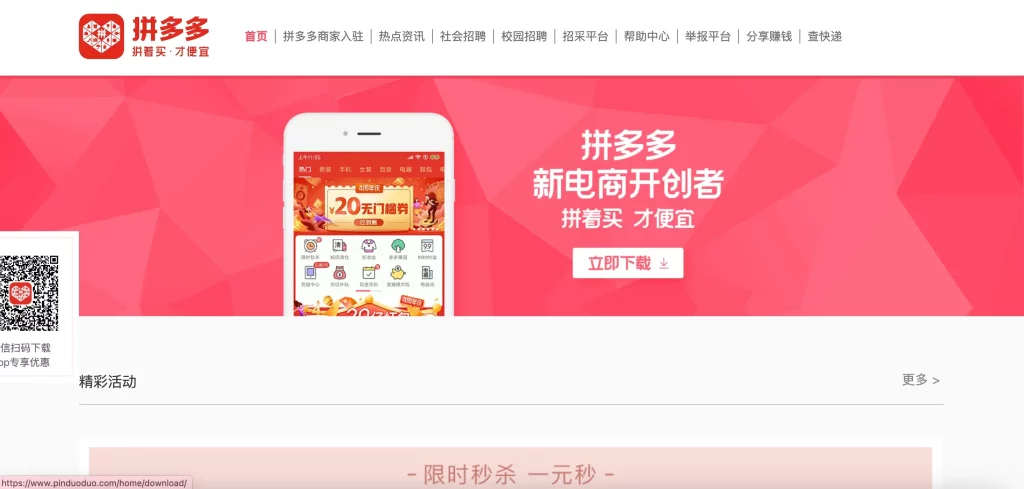
- Target Audience: Budget-conscious group buyers
- Monthly Active Users: 707.56 million (as of Sep 2025)
- What is Special About Pinduoduo: Pinduoduo popularized group buying, allowing users to collaborate for better discounts and an engaging shopping experience.
Founded in 2015, Pinduoduo is one of China’s fastest-growing e-commerce platforms. Its innovative group-buying model encourages users to team up with friends or strangers to unlock significant discounts on products. This gamified shopping experience, combined with its focus on affordable pricing, has attracted a large audience, especially in lower-tier cities.
The shopping experience is deliberately social and game-like: time-limited deals, streak rewards, and sharing mechanics keep users engaged for far longer than a conventional shopping session. Its mobile-first, app-only experience (the website shopping function was removed) reflects its demographic.
Internationally: Pinduoduo’s parent company (PDD Holdings) launched Temu in 2022, which is now one of the fastest-growing e-commerce platforms globally. They are different products for different markets, but share the same ultra-low-price, manufacturer-direct model.
B2B relevance: Low for direct sourcing, but important for understanding the pricing floor that Chinese consumers expect.
Xiaohongshu (Little Red Book)
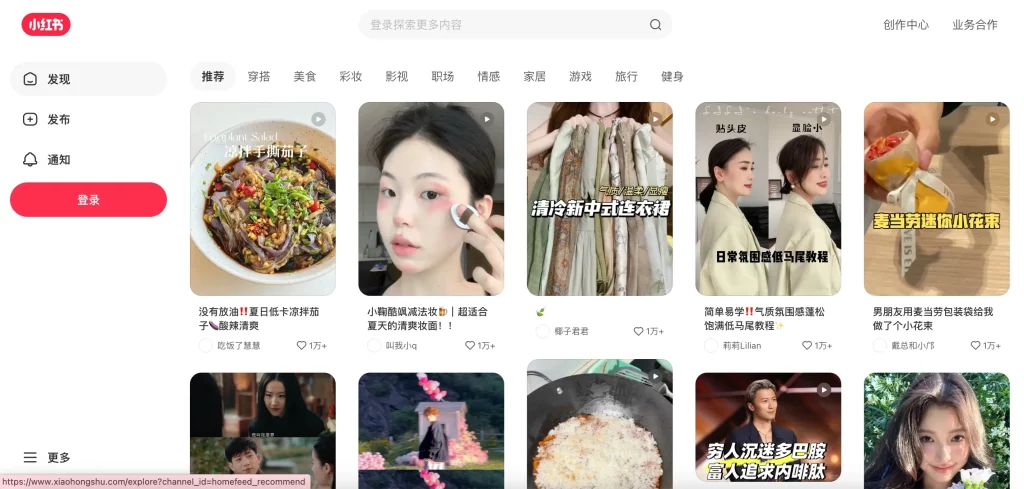
- Target Audience: Beauty and lifestyle enthusiasts
- Monthly Active Users: 242 million (as of May 2025)
- What is Special About Xiaohongshu: Xiaohongshu merges social media and shopping, offering trusted product reviews and influencer-driven recommendations.
Xiaohongshu, launched in 2013, is a hybrid of social media and e-commerce. Initially aimed at cross-border shopping, the platform has evolved into a lifestyle community where users share reviews, experiences, and product recommendations. Its visual-heavy design, similar to Instagram, makes it particularly appealing to younger demographics.
What makes Xiaohongshu unusual is that its content is more trusted than most platforms because it originated as a review-sharing community rather than a commerce platform. Users treat product recommendations here the way they treat friend recommendations, not advertising.
In 2025-2026, Xiaohongshu has significantly expanded its shopping infrastructure and lowered commission rates (now 5%, down from 20%), making it increasingly competitive as a commerce destination rather than just a discovery channel.
B2B relevance: Moderate. Important for brands selling beauty, fashion, home goods, and imported food/wellness products into China. Not a sourcing platform.
JD.com (Jingdong)
- Target Audience: Quality-conscious shoppers
- Monthly Active Users: 610.25 million (as of Sep 2025)
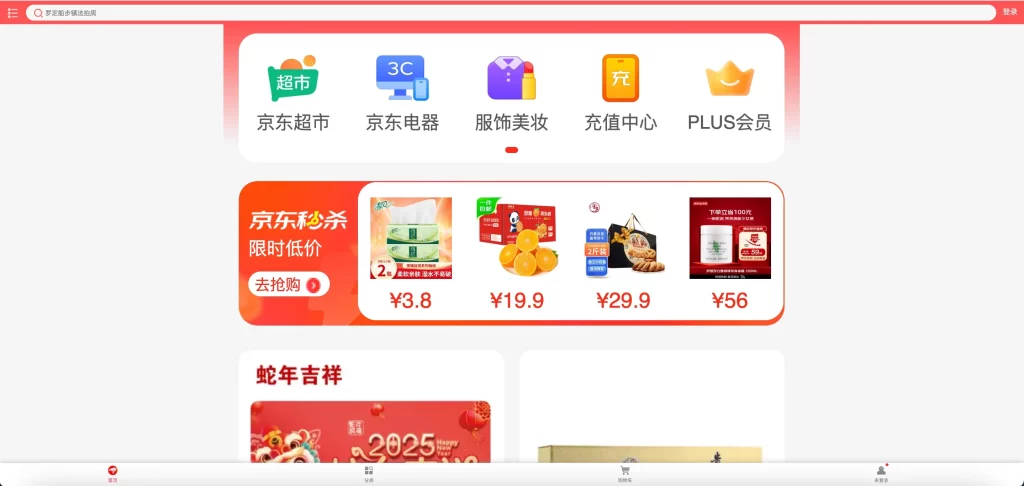
- What is Special About JD: Known for its authentic products and fast delivery, JD is a B2C powerhouse with a robust logistics network.
Founded in 1998, JD.com is one of China’s leading business-to-consumer (B2C) platforms. Initially an electronics retailer, JD has expanded to include categories like apparel, groceries, and luxury goods. Its focus on product authenticity and efficient logistics has set it apart in a competitive market.
JD has invested heavily in its logistics network — over 1,500 warehouses across China, an in-house drone delivery programme, and robotics in its fulfilment centres. For categories where authenticity and delivery reliability matter (luxury goods, electronics, medical products), JD is often the preferred platform.
B2B relevance: JD.com’s B2B arm (JD Business) serves enterprise procurement. For importers, JD is a useful benchmark for understanding retail pricing of finished goods.
Tmall
- Target Audience: Brand-conscious consumers
- Monthly Active Users: 59.05 million
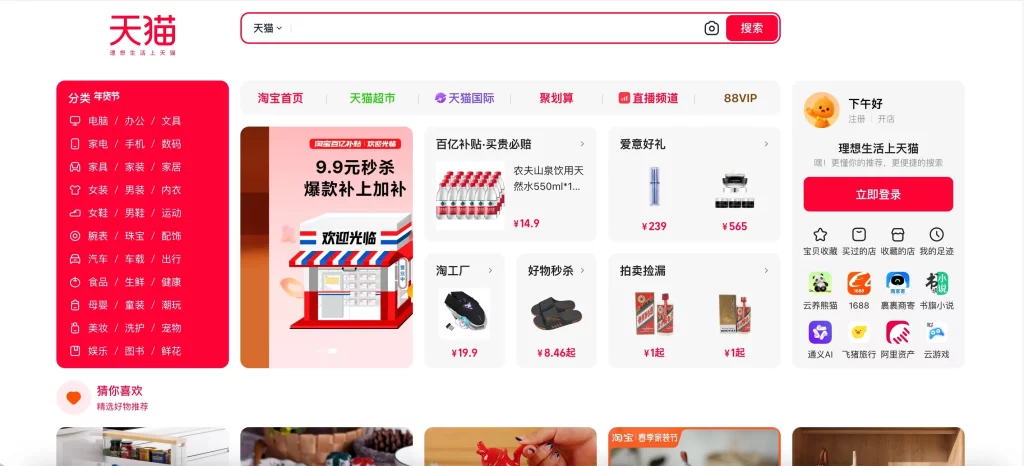
- What is Special About Tmall: Tmall offers an exclusive platform for official brand stores, guaranteeing quality and authenticity.
Tmall, launched by Alibaba in 2008, focuses on premium online shopping for brand-conscious consumers. As a business-to-consumer (B2C) platform, it hosts official stores for global and local brands, ensuring quality and trust. Tmall caters to middle- and high-income shoppers who prioritize authenticity and superior service.
Tmall Global is the cross-border variant, allowing international brands to sell into China without establishing a local legal entity. It’s become the standard entry route for foreign brands testing the Chinese market before a full onshore commitment.
B2B relevance: High for brands selling to Chinese consumers. Low for product sourcing.
1688
- Target Audience: Wholesalers and small businesses
- Monthly Active Users: 61.92 million (as of Sep 2025)
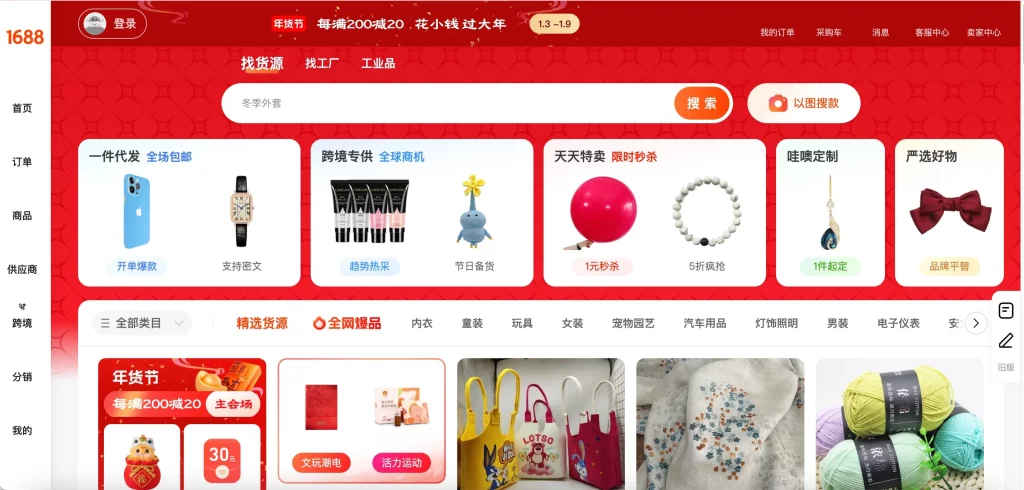
- What is Special About 1688: 1688 is a B2B platform where buyers can source bulk products at factory-direct prices, making it ideal for businesses.
1688, an Alibaba Group platform, serves as a key business-to-business (B2B) marketplace in China. Launched in 1999, it connects manufacturers, wholesalers, and retailers. It focuses on facilitating bulk transactions at competitive prices, targeting businesses looking to minimize costs while maximizing product variety.
The platform is a hub for industries like textiles, electronics, and home goods. As a pioneer in the B2B e-commerce sector, 1688 has played a pivotal role in transforming how businesses source goods, cementing itself as a backbone of China’s supply chain ecosystem and an important part of China’s wholesale websites.
SMZDM (ShenMeZhiDeMai)
- Target Audience: Bargain hunters and informed buyers
- Monthly Active Users: No public data available.
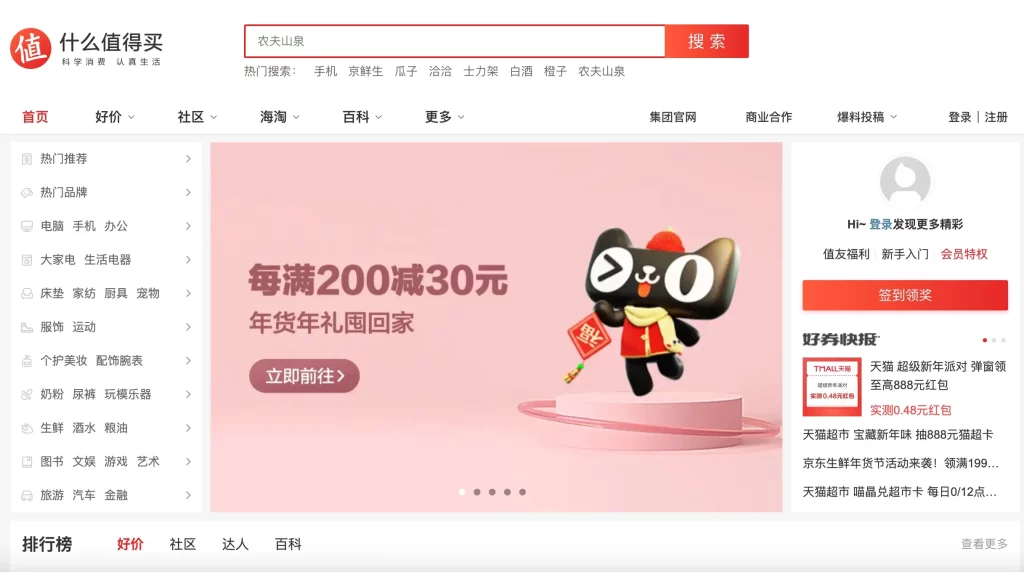
- What is Special About SMZDM: SMZDM combines product reviews, user recommendations, and deal-sharing, creating a community-driven shopping experience.
SMZDM, short for “Shen Me Zhi De Mai,” which means “What’s Worth Buying,” is a platform built around smart shopping. Launched in 2010, it enables users to discover, share, and review deals on a wide range of products. Unlike traditional e-commerce platforms, SMZDM doesn’t sell products directly.
Instead, it aggregates deals and highlights the best offers, making it a favorite among budget-conscious consumers. The platform’s community-driven model fosters trust and engagement, ensuring buyers can make informed decisions. SMZDM’s reputation as a deal hub has earned it a loyal following.
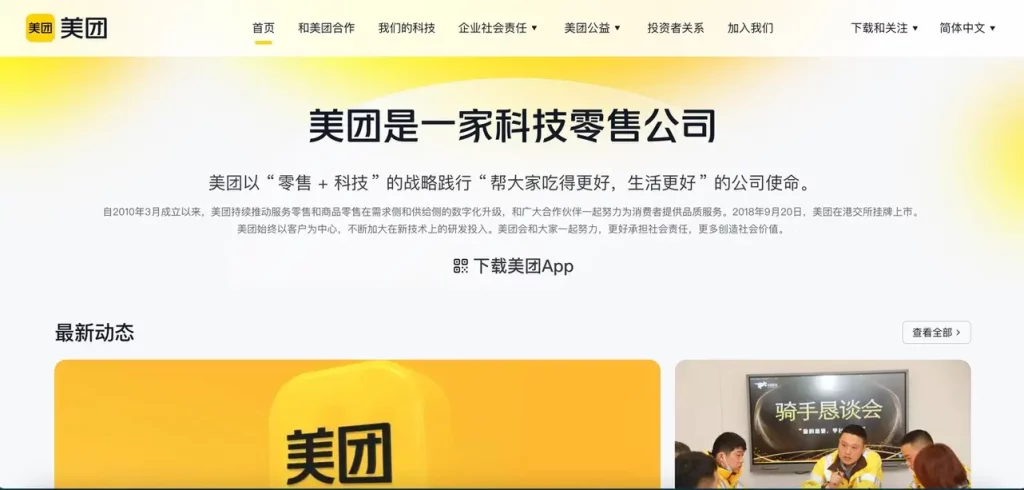
Meituan
- Target Audience: Foodies, travelers, and service seekers
- Monthly Active Users: 518.49 million
- What is Special About Meituan: Meituan bridges e-commerce and local services, offering everything from food delivery to hotel bookings and lifestyle services.
Meituan, founded in 2010, started as a group-buying site but has grown into one of China’s leading platforms for local services. It caters to urban consumers by integrating e-commerce with everyday needs like dining, travel, and entertainment.
In 2025–2026, Meituan’s instant retail operation holds close to 50% market share in a category that is growing fast as Chinese consumers increasingly expect delivery in minutes rather than days.
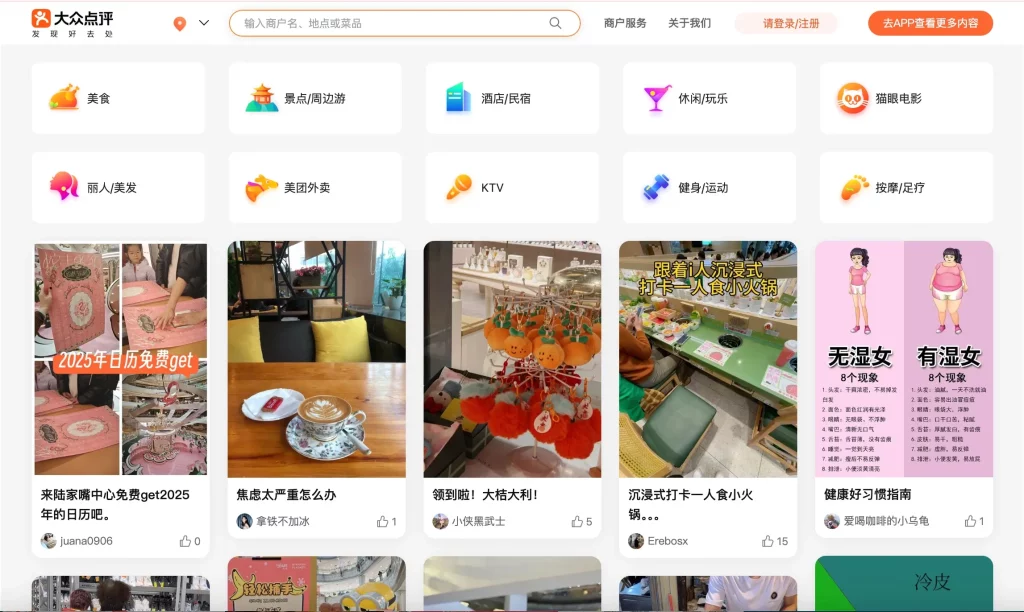
Dianping
- Target Audience: City dwellers seeking reviews and recommendations
- Monthly Active Users: 159.06 million (as of Sep 2025)
- What is Special About Dianping: Often called the “Yelp of China,” Dianping specializes in restaurant and service reviews, providing a trusted guide for urban consumers.
Dianping, launched in 2003, was one of the first platforms in China to provide consumer reviews and recommendations for local services. It is particularly popular for restaurant reviews but has since expanded into categories like entertainment and shopping.
Dianping offers a comprehensive suite of services, including online reservations, discounts, and group-buying options. Its integration with Meituan has enhanced its ecosystem, making it a must-have app for city living. Dianping’s commitment to quality and authenticity makes it a trusted resource for millions of users.
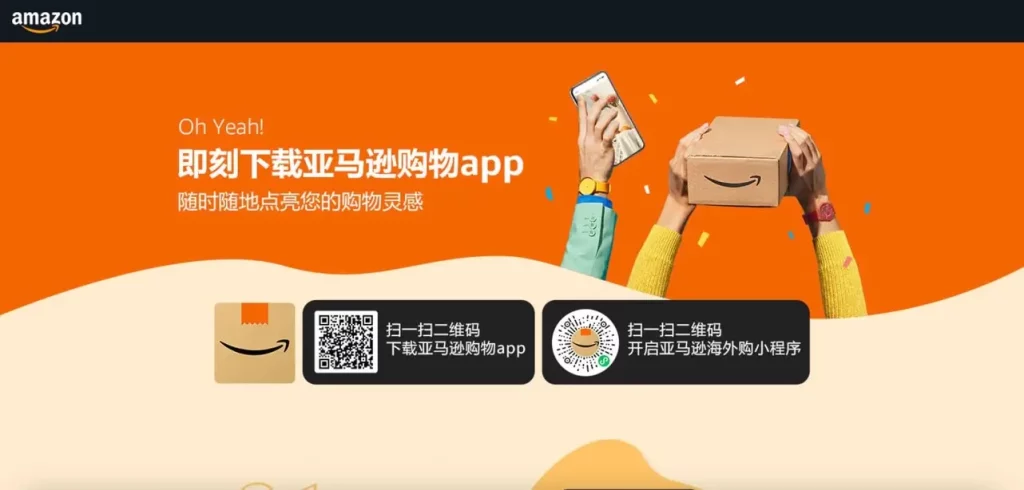
Amazon China
- Target Audience: Cross-border shoppers seeking global goods
- Monthly Active Users: No public data available.
- What is Special About Amazon China: Amazon China focuses on cross-border e-commerce, offering authentic international products that are hard to find locally.
Amazon entered the Chinese market in 2004, targeting consumers seeking high-quality, global products. While its domestic presence is smaller compared to local giants like JD and Taobao, Amazon China specializes in cross-border e-commerce through its “Amazon Global Store.”
This feature allows Chinese consumers to purchase directly from international sellers, leveraging Amazon’s global logistics. Despite fierce competition, Amazon’s focus on trust, authenticity, and international access has earned it a niche audience among premium shoppers.
Temu

- Target Audience: Budget-conscious shoppers, offering a wide variety of affordable products across multiple categories, including fashion, electronics, and home goods.
- Monthly Active Users: 416.5 million (as of Dec 2025)
- What is Special About Temu: Temu is known for its ultra-low prices and diverse product selection, leveraging direct sourcing from suppliers to pass on savings to consumers.
Temu, launched in 2022, is an emerging e-commerce platform known for offering a wide variety of budget-friendly products. It connects consumers directly with manufacturers, enabling the sale of items at competitive prices across categories like fashion, electronics, and home goods.
Temu’s focus on affordability and direct sourcing allows it to provide high-value deals without compromising on product variety. Frequent sales and promotions attract shoppers looking for deals, making it a top choice for budget-conscious consumers.
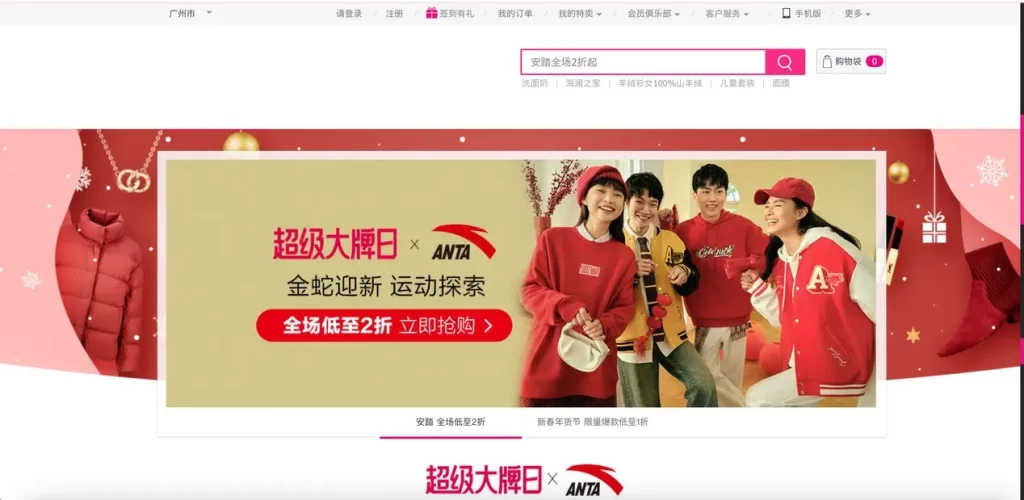
Vipshop (WeiPinHui)
- Target Audience: Budget-conscious buyers looking for branded goods
- Monthly Active Users: 69.56 million (as of Sep 2025)
- What is Special About Vipshop: Vipshop is renowned for its flash sales and exclusive discounts on branded products.
Founded in 2008, Vipshop is one of China’s leading e-commerce platforms for flash sales. It specializes in branded goods, including apparel, beauty, and home products, at discounted prices. The platform’s limited-time offers create a sense of urgency, attracting millions of value-driven shoppers.
Vipshop’s partnerships with well-known brands ensure the authenticity of its products, building trust among its users. By focusing on exclusivity and affordability, Vipshop has carved out a unique space in China’s e-commerce market.
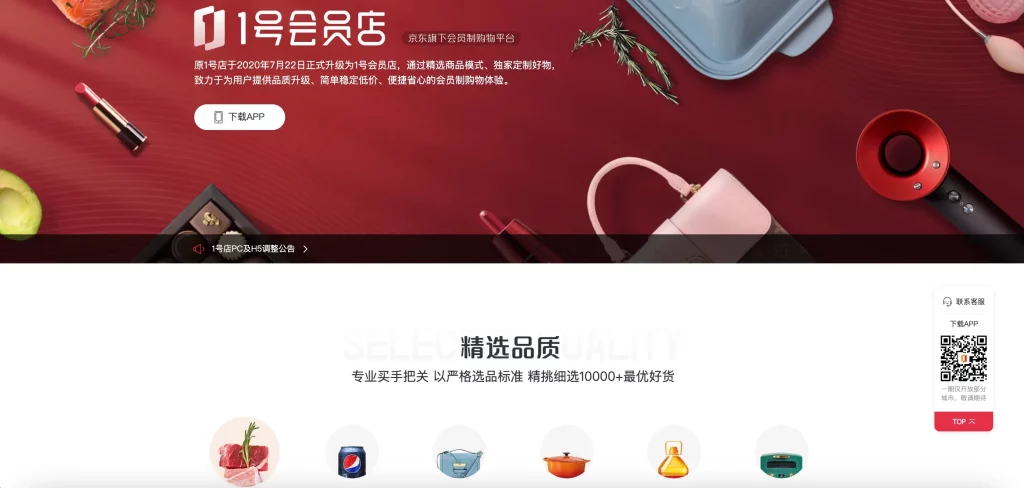
YiHaoDian (1Mall)
- Target Audience: Grocery shoppers and household consumers
- Monthly Active Users: No public data available.
- What is Special About YiHaoDian: YiHaoDian focuses on groceries and everyday essentials, offering competitive pricing and delivery services.
YiHaoDian, founded in 2008, was one of China’s first e-commerce platforms to specialize in online grocery shopping. It provides fresh produce, packaged goods, and household products, catering to urban families. The platform is known for its efficient logistics and competitive pricing, making it a reliable choice for everyday needs.
Acquired by Walmart in 2015, YiHaoDian has expanded its offerings while maintaining a strong focus on quality and convenience. It remains a trusted name in online grocery retail.
Suning
- Target Audience: General consumers, particularly in electronics, home appliances, and everyday products.
- Monthly Active Users: No public data available.
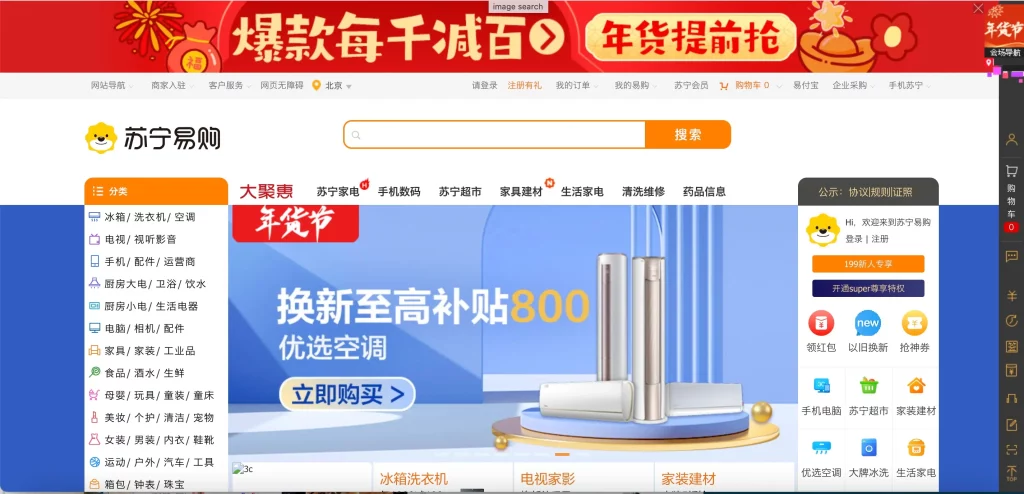
- What is Special About Suning: Known for its integration of online and offline shopping experiences, with a strong presence in both physical stores and online platforms.
Founded in 1990, Suning is a leading Chinese retailer offering a wide range of products from electronics and home appliances to clothing and groceries. With both a physical store network and an online platform, Suning delivers convenience and reliability to millions of customers.
The company is focused on smart retail and innovation, providing customers with an omnichannel shopping experience. As one of the largest retailers in China, Suning continues to thrive in e-commerce by embracing technology and enhancing its service offerings across various sectors.
DEWU (China)
- Target Audience: Young, fashion-forward individuals, particularly those interested in sneakers, streetwear, and limited-edition apparel.
- Monthly Active Users: 68.07 million (highly engaged, Gen Z)
- What is Special About DEWU: DEWU is known for its exclusive sneaker drops, limited-edition collaborations, and focus on streetwear culture, offering a unique shopping experience for sneaker enthusiasts.
DEWU has quickly become a leading platform for sneakerheads and streetwear enthusiasts. The company focuses on providing exclusive, limited-edition sneaker releases, street fashion, and collaborations with top-tier brands. DEWU’s app-driven shopping experience caters to young consumers who are passionate about sneakers and the latest fashion trends.
By prioritizing rarity and exclusivity, DEWU has fostered a dedicated community, becoming the go-to destination for those looking for unique and hard-to-find styles. The platform’s innovative approach to drops and fashion collaborations continues to drive its popularity among fashion-conscious shoppers.
Poizon (得物)
- Target Audience: Poizon targets fashion-forward individuals, particularly sneakerheads, collectors, and fans of exclusive streetwear and limited-edition fashion drops.
- Monthly Active Users: 68.07 million
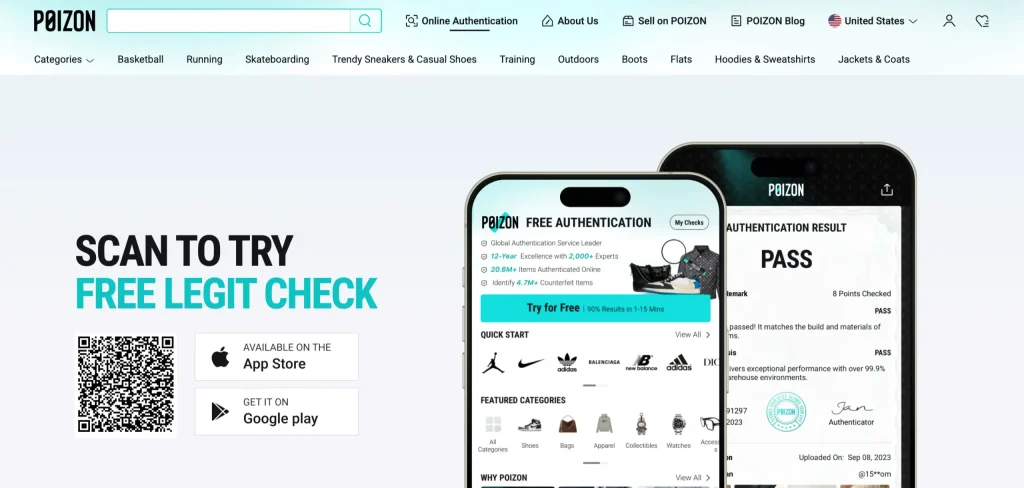
- What is Special About Poizon: Poizon stands out with its sneaker authentication service and broad range of fashion categories, including sneakers, streetwear, and luxury items, ensuring trust and authenticity.
While DEWU caters to the domestic Chinese market with a focus on sneakers, streetwear, and exclusive fashion drops, Poizon (its international counterpart) offers a broader product range, including sneakers, streetwear, and high-end luxury items. Launched in 2015, Poizon has become a leading platform in China, offering both new and second-hand sneakers.
Over 80% of Poizon users are born in the 1990s or 2000s. For brands in the sneaker, streetwear, and luxury segments, Poizon’s community is both the trendsetters and the amplifiers — what becomes desirable on Poizon has a strong track record of going mainstream within 12–24 months.
B2B relevance: Low for sourcing. Important as a trend signal for any brand operating in fashion, footwear, or luxury.
Dangdang
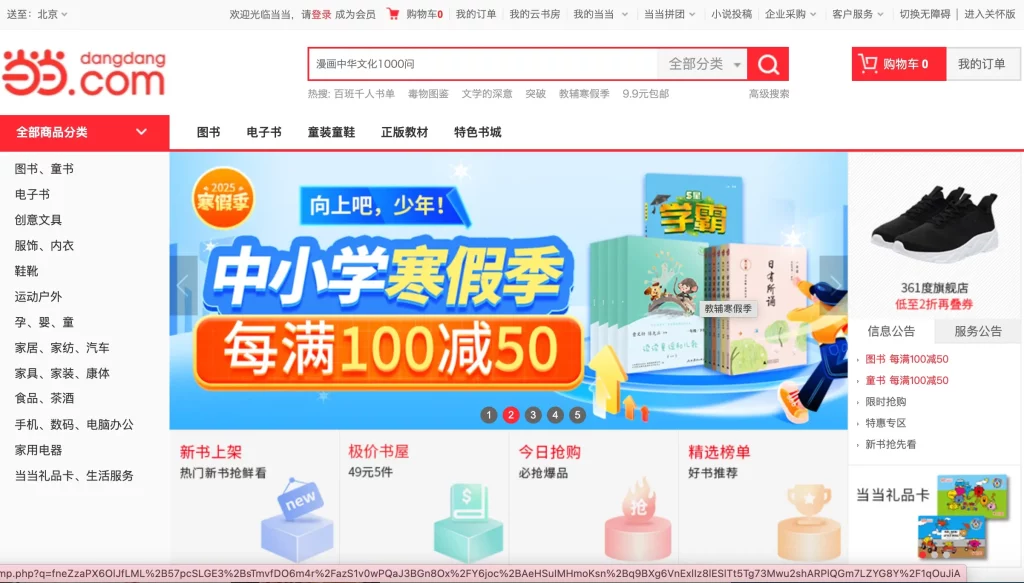
- Target Audience: Primarily book lovers, as well as consumers seeking products in fashion, electronics, and household items.
- Monthly Active Users: No public data available.
- What is Special About Dangdang: Known as “China’s Amazon” for its strong focus on books, Dangdang has diversified into a variety of other categories while maintaining its roots in literature.
Launched in 1999, Dangdang started as an online bookstore and quickly became one of China’s leading e-commerce platforms. Over the years, Dangdang has expanded its offerings to include a variety of categories such as electronics, fashion, and home goods.
With an emphasis on customer service and efficient logistics, Dangdang has earned its place as a trusted platform. It continues to focus on its book business, while providing a wide range of other products for Chinese consumers, making it a go-to site for online shopping.
WeChat (Mini-program)
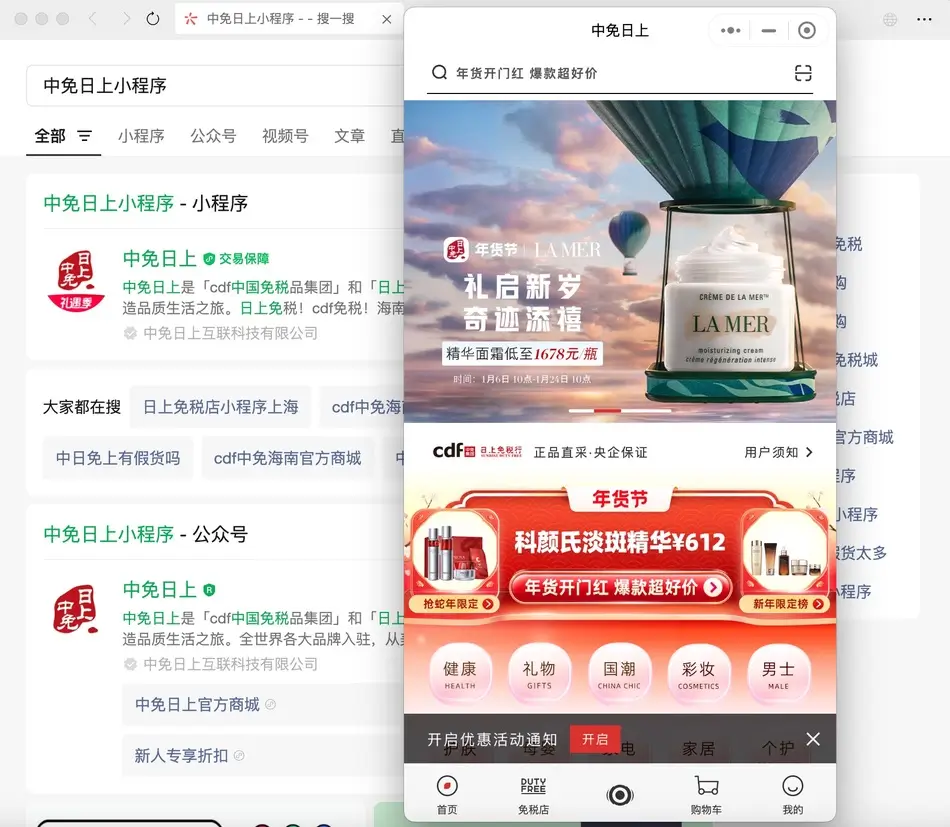
- Target Audience: General consumers, businesses, and service providers across various industries.
- Monthly Active Users: No public data available.
- What is Special About WeChat Mini-program: WeChat Mini-programs allow businesses and services to offer streamlined, integrated experiences directly within the WeChat ecosystem, enabling users to shop without leaving the app.
WeChat, developed by Tencent in 2011, is China’s most popular social media and messaging app, with over 1 billion monthly active users.
In addition to its messaging and social networking features, WeChat has expanded to include payments, games, and an extensive ecosystem of Mini-programs. These Mini-programs allow businesses to offer customers a seamless shopping experience, making WeChat an essential platform for both personal use and commerce. With its all-encompassing approach to digital interaction, WeChat remains an integral part of daily life for millions.
Kaola
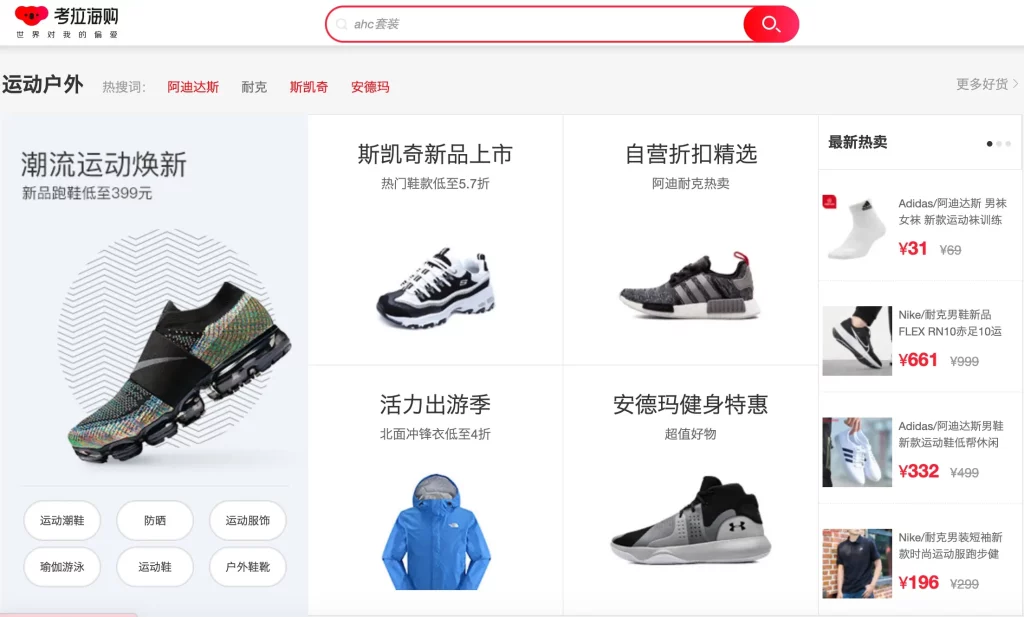
- Target Audience: Chinese consumers interested in international shopping, particularly in imported goods such as fashion, electronics, and health products.
- Monthly Active Users: No public data available.
- What is Special About Kaola: Specializing in cross-border e-commerce, Kaola offers a wide range of foreign goods, particularly from Japan, South Korea, and the U.S.
Kaola, launched in 2015, is one of China’s leading cross-border e-commerce platforms, offering consumers access to high-quality international products. With a focus on importing goods from around the world, Kaola has become a favorite for shoppers seeking international brands.
By partnering with global suppliers, Kaola ensures that consumers have access to top-quality products from the best international brands. Its commitment to fast, reliable shipping and genuine goods has earned it the trust of millions of Chinese shoppers looking for foreign products.
GOME
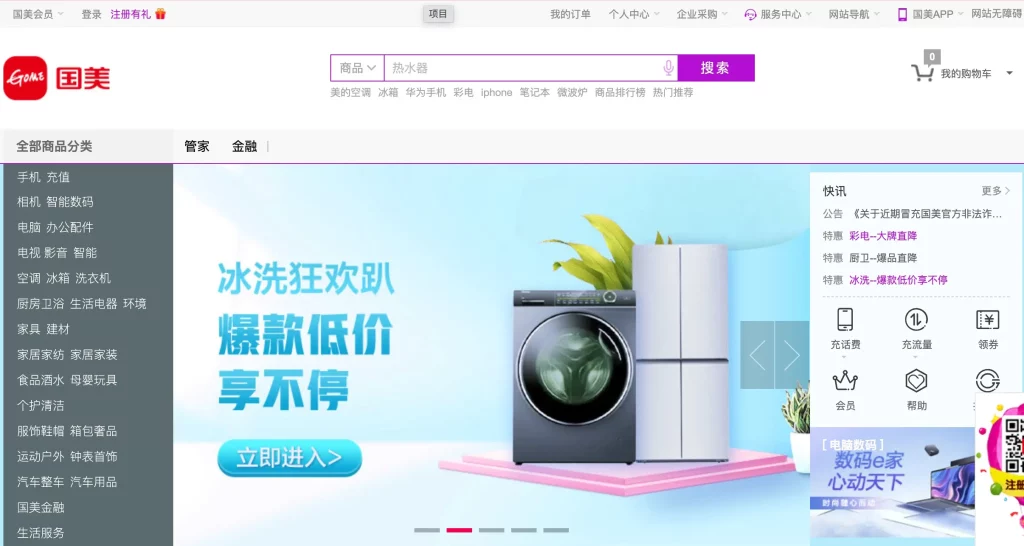
- Target Audience: Consumers interested in electronics, home appliances, and related goods.
- Monthly Active Users: No public data available.
- What is Special About GOME: GOME is a leading retailer in China known for its strong offline presence in electronics and home appliances, complemented by a growing online platform.
Founded in 1987, GOME is one of China’s largest and most recognized retailers in electronics and home appliances. With a robust network of physical stores across China, GOME has successfully transitioned to e-commerce, offering a variety of products including mobile phones, home appliances, and consumer electronics.
The company is known for its competitive prices, excellent customer service, and reliable after-sales support, making it a trusted platform for millions of consumers in China.
Mogujie
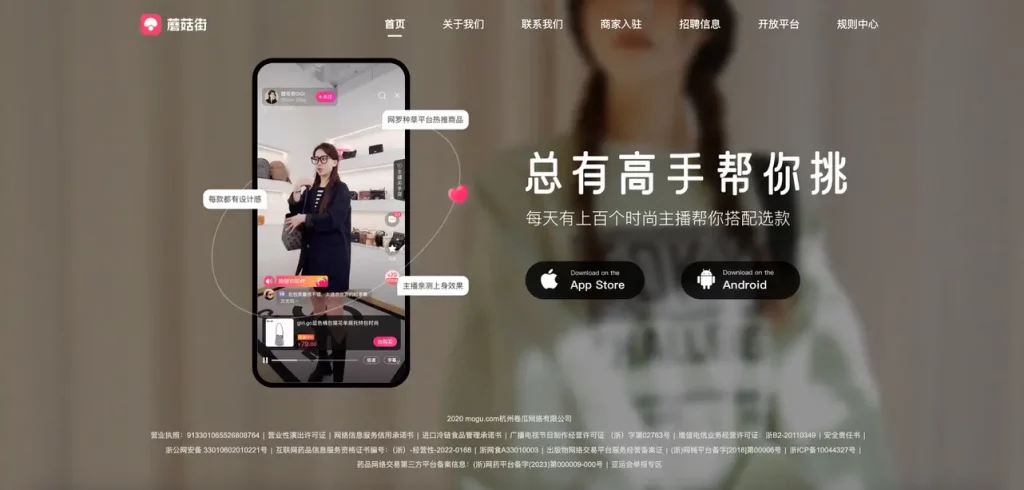
- Target Audience: Young women interested in fashion, beauty, and lifestyle products.
- Monthly Active Users: No public data available.
- What is Special About Mogujie: Focused on fashion and lifestyle products, Mogujie combines social networking features with online shopping, creating an engaging shopping experience.
Established in 2011, Mogujie is a Chinese e-commerce platform specializing in fashion and lifestyle products, primarily targeting young women. Known for its social-commerce approach, Mogujie allows users to shop while interacting with friends and influencers, creating a unique and engaging shopping environment.
The platform offers a wide range of products from clothing and accessories to beauty items, while its strong community aspect sets it apart in the crowded online shopping landscape. With its focus on personalization, Mogujie continues to attract a loyal and growing user base.
Which Platforms Matter for Importers and B2B Buyers
This is where most “Top 20 Chinese shopping platforms” guides end. For buyers sourcing products from China, the consumer-facing platforms above are only part of the picture. Here’s how to think about the landscape from a procurement perspective:
| Your goal | Most relevant platforms | What to watch for |
| Understand retail pricing & trends | Taobao, Pinduoduo, Douyin | What’s selling, at what price, to whom |
| Find suppliers / benchmark factory prices | 1688.com, Alibaba | Always cross-check quotes against 1688 |
| Sell to Chinese consumers (brand) | Tmall / Tmall Global, JD Worldwide, Douyin | Choose based on category and target demographic |
| Identify trend products before they go mainstream | Xiaohongshu, Poizon/Dewu | 6–18 month lead on Western trends |
| Verify product authenticity from China | Poizon, JD.com | Strong authentication infrastructure |
| Understand competitor pricing (vs. Amazon) | Temu | The pricing floor is here |
The New Rules of Chinese E-Commerce in 2026
Three shifts have restructured how commerce works in China over the past 24 months:
Live-stream commerce has become the default discovery channel.
Douyin and Kuaishou have moved purchase decisions upstream — consumers increasingly encounter products in a live-stream context before they ever search for them. Brands that haven’t invested in live-stream infrastructure are operating with a significant disadvantage in reach.
Instant delivery has reset consumer expectations.
Meituan’s expansion of instant commerce (30-minute delivery) beyond food into general retail is changing what “fast” means. In major Chinese cities, consumers now expect same-day delivery as a baseline for anything bought before mid-afternoon.
The price floor has dropped dramatically.
Temu globally and Pinduoduo domestically have established a new pricing reference point. For importers and Amazon sellers, this is both a threat (margin compression) and an opportunity (the same supply chain efficiency is accessible to buyers who know how to use it).
Conclusion
China’s e-commerce market is a powerhouse, setting global standards for innovation and efficiency. Platforms like Taobao, JD, and Xiaohongshu cater to diverse consumer needs, from budget-friendly options to luxury purchases. These Chinese e-commerce websites not only dominate the China online marketplace but also serve as models for the future of online shopping worldwide.
Asian Sourcing Group has operated sourcing, quality inspection, and supplier management services across China since 2011. With 500+ specialists across 30+ service hubs in China, we help importers, Amazon sellers, and brands navigate both Chinese platforms and the factories behind them.
Trying to understand what a 1688 price means for your supply chain? Or which platforms your suppliers are using to sell direct-to-consumer? Talk to an ASG sourcing specialist
FAQs
1. What makes Taobao different from JD.com?
Taobao is a C2C platform focusing on affordability and variety, while JD.com is a B2C platform emphasizing quality and logistics.
2. Can I shop on these platforms if I live outside China?
Yes, platforms like Tmall Global and Kaola are designed for international shoppers, they can buy direct from China online because these Chinese websites are similar to Amazon.
3. Is WeChat a shopping platform?
Not in the traditional sense, but brands use WeChat Mini Programs to drive significant direct commerce. For Chinese consumers, WeChat is the operating system of daily life — messaging, payments, mini-apps, and increasingly direct brand relationships. Any serious China commerce strategy includes a WeChat component.
4. How does Pinduoduo’s group buying work?
Pinduoduo allows users to team up with others to unlock better discounts, making shopping interactive and fun.
5. Which Chinese platform is best for sourcing products as a business?
1688.com for price benchmarking and wholesale suppliers. Alibaba.com for verified suppliers with English-language support. For complex sourcing that requires quality control and negotiation, working with a local sourcing agent significantly reduces risk and usually delivers better pricing than self-serve platforms.
6. What is the best platform to buy from China?
Popular options include Taobao for a wide range of goods and JD.com for fast delivery and reliable service.
7. What is the largest online retail platform in China?
JD.com is the largest online retail platform in China, known for its massive product selection and efficient logistics network.
8. What is China’s equivalent to Amazon?
There isn’t a single equivalent. JD.com is the closest structural match (self-operated inventory, strong logistics, B2C focus). Taobao/Tmall is larger by user numbers and closer to the marketplace model. Pinduoduo has surpassed Amazon in global active users. Most sophisticated observers consider JD + Taobao/Tmall together as the rough functional equivalent.
9. Is Taobao bigger than Amazon?
While Taobao is one of the biggest e-commerce platforms in China, Amazon remains larger globally. However, Taobao’s dominance in China is undeniable, with millions of users and sellers.



-300x198.png)


