
Updated for 2026. The following analysis is based on ASG’s 13+ years of on-ground sourcing operations across China, including audit data, supplier response benchmarks, and export compliance records from our 2025–2026 operations.
Businesses are always on the lookout for ways to cut costs and boost their bottom line. One strategy that’s gained popularity is low cost country sourcing (LCCS). But what exactly is LCCS, and is it right for your business? As a sourcing expert in China for over a decade, we’d love to share with you the pros and cons of low cost country sourcing.
What is Low Cost Country Sourcing?
Low cost country sourcing refers to the practice of obtaining goods or services from countries where the cost of production is significantly lower. This often includes a list of countries in Asia, Eastern Europe, and South America. China, in particular, has been a go-to destination for many businesses looking to reduce costs and maximize profit.
The most active LCCS markets today are:
- China — the broadest product range globally, with the most mature logistics and supplier ecosystem
- Vietnam — strong in apparel, electronics assembly, and furniture; growing fast post-2018 tariff shifts
- Bangladesh — dominant in garment manufacturing, with major compliance infrastructure
- India — deep in textiles, pharmaceuticals, industrial components, and software services
“Low-cost” does not mean low-quality. Many of the same factories supplying global brands operate in these countries. The difference between a good outcome and a bad one is largely about how you engage with that supply chain, not which country you choose.
Low Cost Country Sourcing (LCCS)
What is LCCS?
Sourcing goods or services from countries with lower production costs, such as China, Eastern Europe, and South America.
Advantages
- Lower labor costs
- Cheaper raw materials
- Wide range of capabilities
- Advanced technologies
Challenges
- Inconsistent quality
- Need for rigorous QA
- Language issues
- Cultural differences
Making LCCS Work
- Research suppliers thoroughly
- Communicate clearly
- Balance cost and quality
- Partner with experts
The Real Advantages of Low Cost Country Sourcing
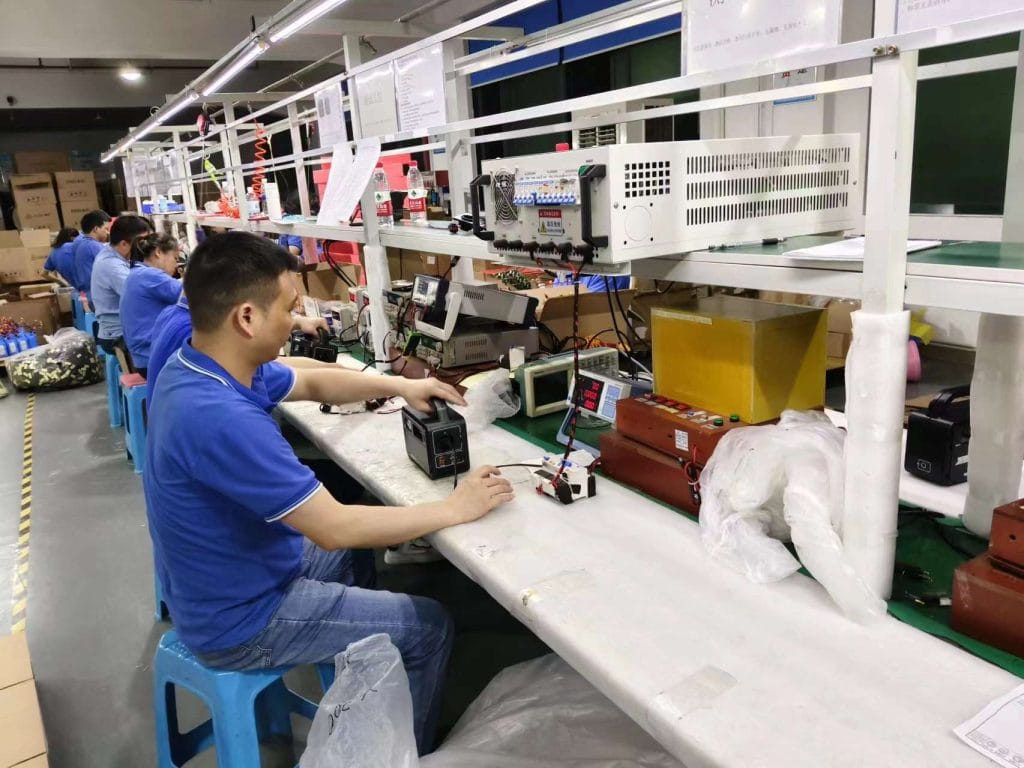
1. Significant Cost Savings
The most obvious benefit of LCCS is the potential for major cost reductions. This comes from two main areas:
- Lower labor costs: Workers in these countries often earn less than their counterparts in developed nations. This can be a good signal for businesses focusing on labor-intensive products.
- Cheaper raw materials: Many low-cost countries have abundant natural resources or well-established supply chains. Lower material costs plays a vital role in future cost reductions.
What’s less discussed is how these savings compound. Lower COGS means:
- More margin to reinvest in marketing or product development
- The ability to price more competitively without sacrificing profitability
- A larger buffer to absorb logistics disruptions without passing costs to customers
2. Access to supply chain infrastructure that doesn’t exist at home
LCCS can provide access to a wide range of industries and product types that may not be available domestically. Many low-cost countries have invested in advanced manufacturing technologies that can improve product quality. This means you can tap into:
- A wide range of manufacturing capabilities across various product types
- Advanced technologies that might be cost-prohibitive in your home country
For instance, China’s industrial cluster model means that in Yiwu, you’re within a few hours of 70,000 wholesale suppliers. In Guangdong, electronics components, PCB manufacturers, and assembly lines operate in the same district. This concentration doesn’t just reduce cost — it dramatically accelerates product development cycles.
For brands launching new SKUs, being close to that cluster means faster sampling, faster iteration, and faster time to market.
3. Manufacturing scale that’s genuinely difficult to replicate
The reason companies like Lego, Apple, and Tesla built major operations in China isn’t purely labor cost — it’s the depth of the manufacturing ecosystem. Suppliers, tooling makers, raw material processors, and logistics providers are all co-located. Replicating that density elsewhere takes decades.
For growing brands, access to that scale means being able to go from 500 units to 50,000 without finding a new supplier.
4. Supply Chain Diversification
Sourcing from multiple countries can help reduce reliance on a single source of supply. A business sourcing entirely from one domestic supplier is highly exposed to local labor disputes, raw material shortages, or capacity constraints. A diversified LCCS strategy — for example, apparel from Bangladesh, hardware from China, and packaging from Vietnam — creates redundancy.
Also, various suppliers in a low cost country allows you to source dynamic products effectively and get them deliverd to your contry cheaper and faster.
5. Faster Time-to-Market
Many low-cost countries have:
- Efficient production processes honed over years of experience
- Well-established logistics networks, making it easier to get products to market quickly
The Challenges of Low Cost Country Sourcing
While low cost country sourcing (LCCS) offers several advantages, we can’t afford to overlook the potential challenges and risks associated with this strategy.
1. Quality Control Issues
One of the biggest concerns with LCCS is maintaining product quality. Cultural differences, language barriers, and varying manufacturing standards can contribute to quality issues. You may face:
- Inconsistent product quality across batches
- The need for more rigorous quality assurance measures, which can add to costs
What to do: Require third-party inspection at three stages: raw material arrival, mid-production (around 30% completion), and pre-shipment. Build this cost into your landed price calculation from the start. ASG’s audit data shows that pre-shipment inspection alone catches 73% of quality deviations before they ship.
2. Communication and Cultural Barriers
Working with suppliers in different countries can lead to:
- Misunderstandings and miscommunications can arise due to language barriers. Use effective communication channels, or seek help of an interpreter are essential.
- Cultural differences can lead to disparities in business practices and expectations. We suggest establishing clear guidelines and expectations in advance to avoid conflicts.
What to do: Use a formal tech pack or product specification document for every order. For apparel, this means construction details, fabric weight tolerances, and wash care requirements. For hard goods, it means material grades, surface finish specs, and packaging dimensions. Vague purchase orders produce vague products.
3. Longer Lead Times
Sourcing from distant countries often means:
- Extended shipping times, which can affect your inventory management and customer satisfaction
- Potential for delays due to distance: Factors such as customs clearance, transportation disruptions, and natural disasters can increase the risk of delays in the supply chain.
What to do: Build 4–6 weeks of buffer inventory for any product dependent on ocean freight. For time-sensitive launches, factor in air freight costs during your initial margin calculation.
4. Geopolitical and tariff exposure
The US-China tariff environment has added 7.5–25% to landed costs on hundreds of product categories since 2018. Similar dynamics are developing in EU-China trade relations. A sourcing strategy that looked profitable in 2021 may be structurally challenged today.
What to do: Audit your HS codes annually. For high-volume categories under tariff pressure, model the cost of partial sourcing diversification into Vietnam or Bangladesh, which currently face significantly lower US tariff exposure.
5. Ethical and Sustainability Concerns
There may be worries about:
- Labor practices and working conditions: LCCS can raise concerns about labor practices and working conditions in some countries. Businesses should ensure that their supplier network adhere to ethical standards and comply with labor laws.
- Environmental impact of manufacturing and shipping: The environmental impact of manufacturing and transportation should be considered.
What to do: Require BSCI, SEDEX, or equivalent audit certification from any supplier in your core supply chain. For apparel and textiles specifically, maintain documentation of fabric origin. This is no longer optional for brands selling into regulated markets.
Is LCCS Right for Your Business?
Not every business should pursue low-cost country sourcing, and not every category benefits equally. Use this framework to assess fit.
| Your Situation | LCCS Fit | Recommended Approach |
| Early-stage brand, low MOQ, high product iteration | Moderate | Start with a sourcing agent; avoid large commitments until the product is proven |
| Established brand, high-volume, stable SKUs | Strong | Direct supplier relationships worth building; invest in on-site QC |
| Compliance-sensitive category (children’s products, food contact, medical) | Conditional | Only proceed with full third-party testing and certified factories |
| Just-in-time fulfillment model | Weak | Lead times and variability work against JIT; consider nearshoring for this portion |
| Large retailer or B2B project buyer | Strong | Full landed-cost modeling essential; factor duties, QC, and logistics into margin calculation |
| E-commerce brand (Amazon FBA, DTC) | Strong | China ecosystem particularly well-suited; leverage consolidated sampling and FBA prep services |
What to Look for in a Low-Cost Country Sourcing Partner

If you’re working with a sourcing agent or third-party service rather than going direct, the quality of that partner is the single largest variable in your outcomes. Here is what separates good partners from expensive intermediaries:
On-ground presence matters more than a website. A sourcing company that operates entirely via email and Alibaba is giving you the same access you could get yourself. Look for partners with physical offices and staff in the markets they claim to work in.
Negotiation capability, not just supplier introductions. Any agent can send you a supplier list. The value is in getting below-market pricing, flexible MOQs, and favorable payment terms — which requires established relationships and leverage.
Quality control as a service, not an afterthought. Pre-shipment inspection should be a standard part of the service, not an optional add-on. Ask specifically: who conducts the inspection, what does the report include, and what happens if defects are found after the goods ship?
Transparent pricing. Commission-based sourcing agents have a structural incentive to steer you toward higher-priced suppliers. Fee-based or hybrid models align incentives better. Ask how your agent is compensated before you engage.
ASG helps with LCCS using its:
Expertise and networks: As a experienced sourcing agency, ASG helps with identifying suitable suppliers to produce or develop your products.
Risk management: Sourcing agencies such as ASG can assist in managing risks, such as quality control, intellectual property protection, and supply chain disruptions.
Negotiation skills: ASG, a professional sourcing agent, can negotiate favorable terms with suppliers, helping to secure competitive pricing and favorable contract conditions.
Conclusion
Low cost country sourcing can offer significant benefits to businesses like Amazon sellers or ecommerce brands looking to reduce costs and improve competitiveness. However, it’s not without its challenges. Review both the pros and cons, and implement strategies to mitigate risks. You will be able to decide whether LCCS is right for your business.
Worried about quality and compliance when sourcing from Asia? ASG conducts on-site audits across China. Get a free sourcing consultation.
Remember, successful sourcing isn’t just about finding the lowest price – it’s about creating a reliable, quality-focused supply chain that supports your business goals. Whether you decide to pursue LCCS (global sourcing) or local sourcing, taking a strategic approach to your sourcing decisions is key to long-term success.
Asian Sourcing Group
Your Trusted Partner for Sourcing from China.
Frequently Asked Questions
What is the difference between low-cost country sourcing and best-cost country sourcing?
Low-cost country sourcing focuses primarily on minimizing unit cost. Best-cost country sourcing (BCCS) is a broader framework that weighs total landed cost — including logistics, duties, quality control, and supply chain risk — to identify the optimal source, which isn’t always the cheapest. For most growing businesses, thinking in terms of best-cost rather than lowest-cost leads to better outcomes.
Is low-cost country sourcing still viable given tariffs?
Yes, but the math has changed. The tariff environment since 2018 has made direct China-to-US sourcing more expensive for many categories, but Vietnam, Bangladesh, India, and Mexico all offer meaningful alternatives for specific product types. A good sourcing strategy in 2026 often involves a multi-country approach rather than a single-source model.
How much can I realistically save with LCCS?
It depends heavily on category, volume, and your current supply chain. For finished goods, businesses moving from domestic or European production to Asia typically see 30–55% reductions in unit cost. For businesses already sourcing from Asia through intermediaries, going more direct (with proper QC in place) can yield an additional 15–25%.
What’s the minimum order quantity for LCCS?
MOQs vary widely by category and factory. In China, MOQs for apparel typically start at 100–300 pieces per style for smaller factories, and 500–1,000+ for larger ones. For hard goods, it depends heavily on whether tooling is required. Sourcing agents who have existing relationships can often negotiate MOQs down significantly for new clients.



-300x198.png)


