
Traditional supplier management methods are often too fragmented to maintain consistency at scale. To solve this, companies are shifting toward a remote supply chain control system that improves visibility, standardization, and operational control across all stages of production.
As an experienced sourcing partner, ASG shares many of these practices in supporting overseas buyers with structured execution, supplier coordination, and production oversight in China. In this guide, we will explain how to build and manage that system to achieve stable quality, predictable delivery, and controlled production performance from abroad.
The Remote Supply Chain Control System
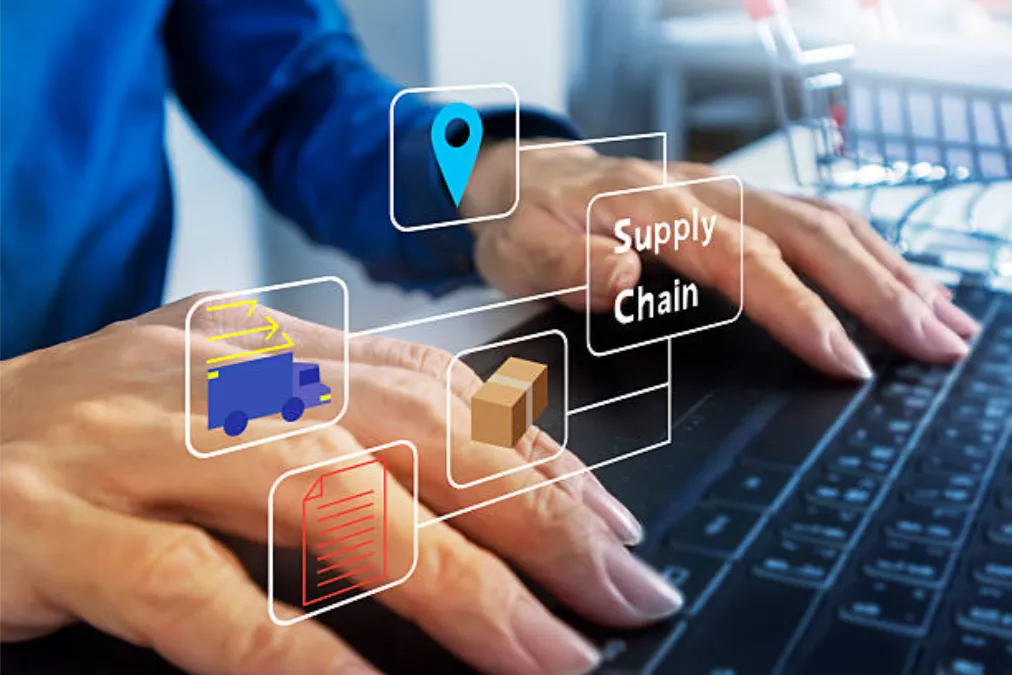
This system is built on a structured approach that organizes communication, production oversight, logistics, and risk control into a unified operational model. The following sections break down its core components and explain how each layer contributes to stable and scalable supply chain performance.
Why Traditional Supplier Management Is No Longer Enough
Traditional supplier management relies heavily on direct communication, periodic updates, and on-site supervision. While this approach can work in localized operations, it becomes inefficient when managing overseas production where visibility is limited and response time is delayed.
As supply chains expand across borders, small issues such as specification misunderstandings, material substitutions, or production delays can quickly escalate without real-time oversight. This makes fragmented, reactive management insufficient for maintaining consistent output at scale.
Foundation: Communication
Effective remote supply chain management begins with structured communication. Instead of informal messaging or inconsistent reporting, companies rely on standardized updates, defined workflows, and centralized documentation systems.
This ensures that all stakeholders—buyers, suppliers, and quality control teams—operate from the same information base. Clear communication reduces misinterpretation, speeds up decision-making, and helps maintain alignment across different time zones and production stages.
4 Core Operational Layers
A remote supply chain system is built on four key layers:
- Communication layer – structured information flow
- Production layer – monitoring manufacturing progress and consistency
- Logistics layer – shipping, customs, and delivery coordination
- Risk layer – supplier, compliance, and production risk control
Together, these layers create a complete end-to-end control framework.
Data Visibility, Quality Control, and Risk Management Integration
Strong remote supply chain control depends on accurate and continuous data visibility. Standardized documentation such as specifications, inspection reports, and production records ensures that every stakeholder interprets requirements consistently.
Quality control and risk management are not separate functions but integrated processes within the system. Issues must be identified early through structured inspections and data feedback loops, rather than discovered after production is complete. This integration improves reliability, reduces defects, and supports stable long-term production performance.
Supplier Selection and Factory Control
Selecting and managing the right suppliers is a critical step in building a stable manufacturing setup. Even the best product design can fail if the factory lacks the capability, consistency, or control systems required for scalable production. This stage focuses on ensuring suppliers are technically and operationally aligned with long-term manufacturing requirements.
OEM/ODM Coordination and Production Alignment
Working with OEM and ODM suppliers requires clear alignment between product design intent and manufacturing execution. Specifications, technical drawings, and production requirements must be clearly defined to ensure the factory understands not only what to produce, but how it should be produced at scale.
Strong coordination at this stage reduces misinterpretation, improves production efficiency, and ensures that early samples accurately reflect final mass production output.
Factory Audits and Capability Verification
Factory audits are used to evaluate whether a supplier is capable of supporting stable long-term production.
| Audit Area | What is Checked | Why It Matters |
|---|---|---|
| Production Capacity | Machine output and workforce capability | Ensures scalable production capability |
| Quality Control System | Inspection workflow and QC structure | Reduces defect and inconsistency risk |
| Equipment Condition | Machine maintenance and tooling status | Impacts production stability |
| Process Consistency | Standardized workflow execution | Prevents batch-to-batch variation |
Supplier Vetting and Risk Assessment
Supplier vetting goes beyond technical capability and focuses on overall operational reliability.
This includes financial stability, production history, communication responsiveness, and risk exposure such as subcontracting or inconsistent sourcing.
A structured risk assessment helps identify potential issues early, reducing the likelihood of production delays, quality instability, or supply chain disruption during scaling.
Remote Communication and Operational Visibility

Remote communication and operational visibility are essential for managing China-based suppliers without physical presence. A structured communication system ensures that all production updates, quality feedback, and decision-making processes remain transparent and traceable across different stakeholders and time zones.
Industrial Monitoring Tools and Digital Systems
Industrial monitoring tools and digital systems provide real-time visibility into production activities, allowing teams to track manufacturing progress, identify bottlenecks, and monitor workflow efficiency across different stages of production.
| System Type | Function | Benefit |
|---|---|---|
| Production Monitoring Systems | Track real-time manufacturing status | Improves visibility and control |
| ERP Platforms | Centralize production and supply data | Enhances coordination efficiency |
| QC Reporting Tools | Record inspection results | Reduces quality issues |
Asynchronous Communication and Time Zone Management
Asynchronous communication is critical in global supply chain operations where real-time coordination is not always possible. Instead of relying on immediate responses, teams use structured updates, scheduled reporting cycles, and predefined communication workflows.
This approach ensures that production decisions continue to move forward even across different time zones, while reducing delays, misunderstandings, and dependency on constant live communication.
Documentation and Data Standardization
Standardized documentation is the foundation of operational consistency in remote supply chain management. Technical specifications, production records, inspection reports, and change requests must follow unified formats to ensure clarity across all stakeholders.
Without consistent data structure, even minor interpretation differences can accumulate into production errors, quality variation, and reduced manufacturing control at scale.
Source Better and Scale Faster with Our China-Based Experts

Production Monitoring and Quality Control

Production monitoring and quality control are critical once manufacturing moves beyond the prototype stage. At this point, the focus shifts from testing whether a product works to ensuring it can be produced consistently at scale with stable quality, predictable output, and minimal variation across batches.
| Inspection Stage | Purpose | Outcome |
|---|---|---|
| Pre-Production Inspection | Verify raw materials and components | Prevents early-stage defects |
| In-Process Inspection | Monitor assembly and workflow | Detects issues in real time |
| Final Inspection | Check finished goods before shipment | Ensures shipment-ready quality |
Third-Party QC and Inspection Systems
Third-party quality control systems provide independent verification of product quality throughout the production process. Instead of relying solely on factory internal checks, external inspectors evaluate materials, workmanship, and finished products based on defined standards.
This approach helps reduce bias, improves transparency, and ensures that quality issues are identified early before products move into large-scale shipment. It also strengthens accountability across the supply chain by adding an additional layer of oversight.
Production Tracking and Technical Validation
Production tracking focuses on monitoring manufacturing progress in real time to ensure that each stage of production follows approved specifications and timelines. This includes tracking assembly progress, monitoring output consistency, and identifying any deviations from the planned process.
Technical validation ensures that the product not only meets visual or functional expectations but also performs reliably under real production conditions. This helps confirm that engineering requirements, material choices, and manufacturing methods remain stable during scaling, reducing the risk of defects in mass production.
Logistics and Supply Chain Execution

Once production is stable, logistics becomes a key factor in determining whether a supply chain can operate smoothly at scale. Even well-manufactured products can face delays, cost overruns, or market disruption if shipping, customs, and delivery processes are not properly coordinated. This stage focuses on ensuring that goods move efficiently from factory to destination with minimal risk and maximum predictability.
Freight Forwarders and Shipping Coordination
Freight forwarders play a central role in coordinating international shipping, including booking transport, consolidating shipments, and managing carrier relationships. Effective coordination ensures that goods are shipped on time, cost-efficiently, and in alignment with production schedules.
Clear communication between suppliers, forwarders, and buyers helps prevent delays caused by misaligned schedules or incomplete shipping instructions.
Customs, Compliance, and Documentation Management
Customs and compliance processes ensure that goods can legally enter destination markets without delays or penalties. This includes accurate preparation of shipping documents, product declarations, and regulatory certifications required by different regions.
Proper documentation management reduces the risk of shipment holds, unexpected fees, or regulatory rejection, which can significantly disrupt supply chain timelines.
Delivery Planning and Shipment Risk Control
Delivery planning focuses on aligning production output with final distribution schedules, ensuring that inventory arrives when and where it is needed. This requires coordination between manufacturing timelines, transportation capacity, and market demand.
Shipment risk control involves anticipating potential disruptions such as delays, route changes, or carrier issues, and building contingency plans to maintain stable supply flow even under uncertain logistics conditions.
Performance Tracking and Risk Control
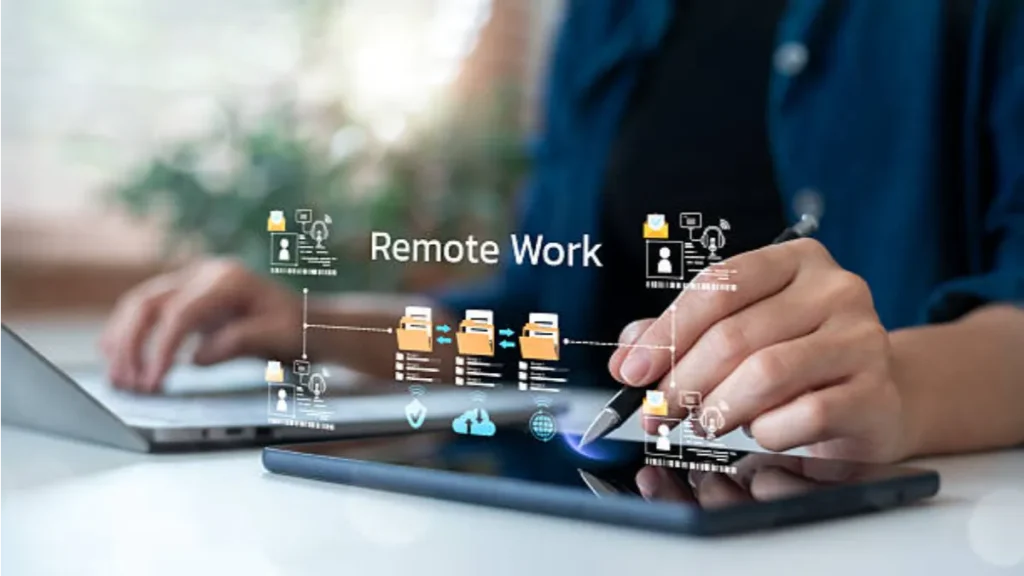
As supply chains scale, maintaining visibility over performance becomes essential for ensuring long-term stability. At this stage, companies move beyond basic production oversight and begin using structured data to evaluate efficiency, quality consistency, and operational risk across the entire supply chain.
KPIs, Traceability, and Production Visibility
Key performance indicators (KPIs) provide measurable insights into production efficiency, defect rates, on-time delivery, and supplier reliability. These metrics help businesses objectively evaluate whether manufacturing performance is meeting expected standards.
Traceability systems add another layer of control by tracking materials, components, and production batches throughout the supply chain. Combined with production visibility, these tools ensure that every stage of manufacturing can be monitored and verified when issues arise.
Reporting Systems and Early Risk Detection
Structured reporting systems ensure that production data is consistently collected, updated, and shared across all stakeholders. Regular reports reduce information gaps and allow decision-makers to respond quickly to changes in production conditions.
Early risk detection focuses on identifying potential issues—such as quality deviations, supply delays, or capacity bottlenecks—before they escalate into larger disruptions. By combining reporting with continuous monitoring, companies can maintain stability even in complex, multi-supplier environments.
Legal, Compliance, and Contract Protection

A stable remote supply chain is not only built on operational control, but also on strong legal and contractual foundations. When working with overseas suppliers, clear agreements, regulatory alignment, and financial safeguards are essential to reduce uncertainty and protect long-term business interests.
Contracts, Export Compliance, and Regulatory Safeguards
Well-structured contracts define production responsibilities, quality expectations, delivery terms, and liability allocation between buyers and suppliers. These agreements help reduce misunderstandings and ensure both parties are aligned on key production requirements.
At the same time, export compliance and regulatory safeguards ensure that products meet the legal requirements of destination markets, including safety standards, labeling rules, and certification requirements. Proper compliance reduces the risk of shipment delays, penalties, or customs rejection.
Supplier Accountability and Dispute Prevention
Supplier accountability mechanisms ensure that performance issues are properly addressed and documented throughout the cooperation process. This includes clear escalation procedures, quality tracking records, and agreed corrective action processes.
Dispute prevention relies on transparency and structured communication, ensuring that potential issues are identified early and resolved before they escalate into contractual or financial conflicts. Strong documentation and consistent quality control records play a key role in supporting fair resolution when disagreements occur.
Payment Terms and Financial Risk Control
Payment terms are a critical lever in managing financial exposure within international supply chains. Structured payment schedules—such as deposits, progress payments, and final balances—help balance risk between buyers and suppliers.
Financial risk control also involves assessing supplier reliability, avoiding overexposure to a single manufacturer, and ensuring that payments are tied to verified production milestones. This reduces the likelihood of financial loss while maintaining stable production relationships
When Physical Presence Is Still Required
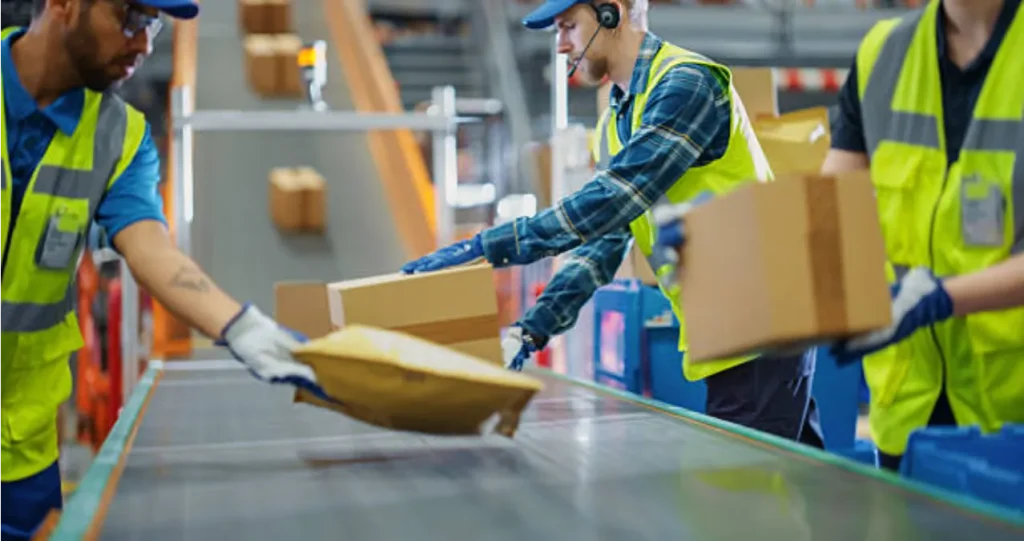
Even with advanced remote management systems, there are critical stages in the supply chain where physical presence remains necessary. Certain risks, validations, and production checks cannot be fully replaced by digital tools or third-party reporting alone, especially when scaling production or working with new suppliers.
Factory Audits and Production Verification
Even with advanced remote management systems, there are critical stages in the supply chain where physical presence remains necessary. Certain risks, validations, and production checks cannot be fully replaced by digital tools or third-party reporting alone, especially when scaling production or working with new suppliers.
Pre-Shipment Inspection and On-Site Quality Checks
Pre-shipment inspections are conducted to verify that finished goods meet required quality standards before they leave the factory. This includes checking product functionality, appearance, packaging, and compliance with specifications.
On-site quality checks help identify defects early, reducing the risk of large-scale shipment issues or customer complaints. By confirming quality at the final stage of production, businesses can prevent costly returns, delays, and reputation damage in downstream markets.
Quick Checklist: Remote China Supply Chain Control Process
- Remote Supply Chain Control System Setup – Define communication structure, production oversight, logistics flow, and risk management framework.
- Supplier Selection & Factory Control – Evaluate OEM/ODM alignment, conduct factory audits, and complete supplier vetting and risk assessment.
- Remote Communication & Visibility – Implement industrial monitoring tools, structured reporting, and standardized documentation systems.
- Production Monitoring & Quality Control – Use third-party QC, in-process inspections, and technical validation to ensure consistency.
- Logistics & Supply Chain Execution – Coordinate freight forwarders, manage customs compliance, and plan delivery schedules with risk control.
- Performance Tracking & Risk Control – Monitor KPIs, ensure traceability, and establish early risk detection systems.
- Legal & Compliance Protection – Secure contracts, define payment terms, ensure export compliance, and prevent disputes.
- On-Site Verification (When Required) – Conduct factory audits and pre-shipment inspections to validate real production conditions.
Final Thoughts
Managing a China supply chain remotely has evolved from basic supplier communication into a structured operational system that connects communication, production control, logistics, and risk management.
When these elements are properly aligned, businesses gain better visibility, more consistent output, and more predictable production performance across global operations.
Ultimately, success depends on replacing reactive management with standardized processes, reliable information flow, and clear supplier accountability. A balanced approach that combines remote oversight with targeted on-site verification—or support from a trusted sourcing agent when needed—remains the most effective way to ensure long-term stability and quality in overseas manufacturing.
Frequently Asked Questions
Can I manage China sourcing entirely remotely?
Yes, it is possible to manage sourcing remotely using online project management boards, cloud storage for contracts, and instant messaging for supplier updates. By leveraging sourcing companies for on-ground audits and inspections, buyers can match with vetted suppliers in as little as 48 hours.
What tools are essential for remote supply chain management?
Essential tools include digital project management platforms, cloud-based storage for specifications, and instant messaging apps for real-time communication. These tools, combined with local partners providing live data and inspection photos, ensure visibility throughout the production cycle.
How do I ensure transparency without being at the factory?
Transparency is maintained via real-time data sharing between the buyer and local partners. This includes the transmission of on-site inspection photos, production status updates, and direct shipping documentation from third-party QC providers or sourcing agents.
Is local quality control (QC) mandatory for overseas buyers?
While not strictly mandatory if you trust the factory, it is highly recommended to use third-party or sourcing agent inspections. These services verify that bulk production matches the ‘golden sample’ before the shipment is released, mitigating the risk of production mismatches.
What risks increase when managing a supply chain from abroad?
The primary risks include supplier legitimacy issues, production quality drift, and shipping delays. Without a local presence to verify factory claims and conduct in-person checks, the likelihood of ‘bait-and-switch’ scenarios or logistical errors increases.



-300x198.png)


