
A “cheap” sourcing agent can become your most expensive mistake if they prioritize factory kickbacks over your product quality. Navigating Chinese manufacturing requires more than a translator; it demands a strategic partner to shield your supply chain from fraud and “quality fade.”
This technical guide deconstructs the vetting process, comparing independent freelancers and professional agencies to match your scale. We analyze standard commission structures and provide a framework for verifying protocols to ensure total fee transparency and operational excellence.
Different Types of Sourcing Agents Explained
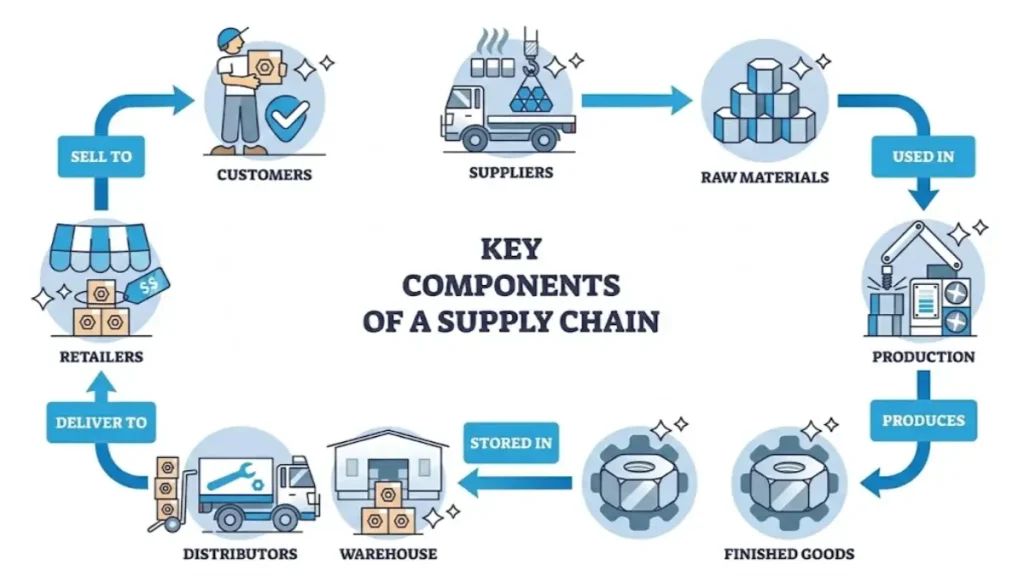
Navigating the Chinese market requires choosing a partner that aligns with your business scale and technical needs. Generally, sourcing entities fall into two primary categories:
Independent Freelancers: Often solo practitioners or small “mom-and-pop” teams. They offer highly personalized, agile service with low overhead, making them a starting point for startups and low-volume buyers.
Professional Sourcing Agencies: Registered firms with structured departments (Sourcing, QC, Logistics, Legal). They provide a “one-stop-shop” infrastructure, ideal for scaling brands and companies requiring strict supply chain accountability.
Independent vs. Professional Companies
To help you choose the right strategic partner, we have compared the two models across operational and specialized dimensions:
| Comparison Feature | Independent Freelancer | Professional Sourcing Agency |
|---|---|---|
| Ideal Order Volume | Small / Trial Orders (<$5k) | SMBs & Enterprise ($10k+) |
| Operational Bandwidth | Limited (Single point of contact) | High (Dedicated teams & 24/7 support) |
| Legal & Risk Mitigation | Low (Individual accountability) | High (Corporate contracts & liability) |
| Export Specialization | Basic assistance; no license | Licensed Exporter of Record |
| Industry Expertise | Generalist (Consumer Goods) | Niche experts (Tech, Medical, Auto) |
| Platform Specifics (FBA) | Manual coordination | Standardized Prep & Labeling SOPs |
Specialized Classifications: Export, Industry, and Platform Specifics
Beyond the general operational structure, agents are often classified by their functional specialization.
Export Agencies: Crucial for sourcing from “under-the-radar” local factories that lack direct export rights. These agents act as the Legal Exporter of Record.
Industry-Specific Experts: These agents speak the “language of the factory.” For example, if you are in consumer electronics, you need an agent who understands PCB assembly and RoHS compliance, not a generalist.
Platform-Specific Agents (e.g., Amazon FBA): They focus on the “last mile” of manufacturing—ensuring packaging meets strict FBA labeling requirements to avoid costly warehouse rejections.
What Services Agents Typically Provide
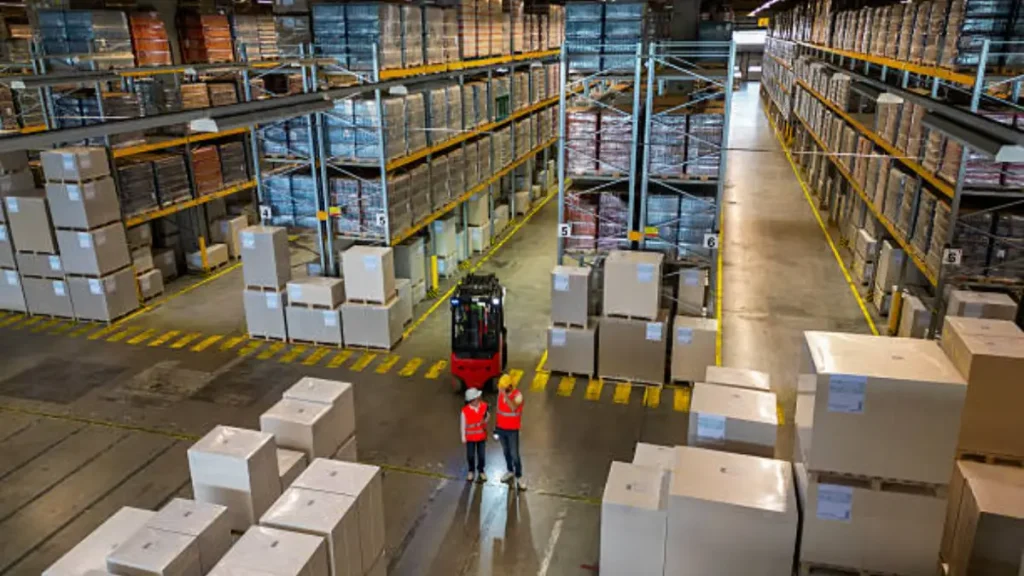
A professional sourcing agent acts as your on-the-ground project manager in China. Their value lies in transforming a complex, high-risk process into a streamlined, predictable workflow. We break this down into three critical phases:
Phase 1: Supplier Verification & Commercial Strategy
Before a single dollar is sent, an agent must secure the foundation of your supply chain.
Factory Audits: On-site verification of business licenses, production capacity, and ISO 9001 certifications.
Raw Material Compliance: Validating that inputs meet international standards (e.g., Oeko-Tex for textiles).
Price Architecture: Leading negotiations to secure factory-direct pricing while structuring contracts with clear delivery milestones and payment terms (e.g., 30/70 TT).
Phase 2: Professional Quality Control Inspection in China
This is the core of risk mitigation. A top-tier agent implements a scientific quality control inspection in China based on the ISO 2859-1 standard. To maintain high standards, we adhere to strict Acceptable Quality Level (AQL) thresholds:
Typically, we set the threshold at 2.5% for Major defects and 4.0% for Minor defects.
Our quality control inspection in China follows a rigorous three-tier protocol:
- Pre-Production Inspection (PPI): Verifying raw materials and the “Golden Sample” before mass production begins.
- During-Production (DUPRO): Conducted when 20–50% of the order is finished to catch systemic defects early.
- Final Random Inspection (FRI): A comprehensive check of quantity, workmanship, and packaging before the final balance is paid.
Phase 3: Logistics & Compliance Integration
Customs Brokerage: Managing the documentation (Bill of Lading, Packing List) for seamless international transit.
FBA Preparation: Specialized labeling, kitting, and bundling for Amazon sellers.
Consolidation: Merging orders from multiple factories into a single container to reduce costs.
How Agents Charge (Commission vs Fixed Fee)
Most professionals operate on a sourcing agent commission model (typically 5-10%) or a fixed-fee structure for defined projects.
Standard Commission Rates & Tiered Structures
| Order Value (USD) | Standard Commission Rate | Service Level |
|---|---|---|
| $2,000 – $5,000 | 8% – 10% | Full Sourcing + Basic QC |
| $5,001 – $20,000 | 5% – 7% | Factory Audit + In-line QC |
| $20,001 – $50,000 | 3% – 5% | Advanced QC + Logistics Mgmt |
| >$50,000 | Negotiable (Flat fee option) | Dedicated Account Manager |
Industry Standard: The typical commission range is 5-10% of the Total Order Value (TOV), serving as the primary incentive for agents to ensure product quality.
Tiered Pricing: Rates often scale inversely with order size. Research indicates structures such as 8% for orders between $2,000-$4,000, dropping to 6% for $15,000-$20,000, and as low as 3-4% for orders exceeding $30,000.
Volume Leverage: High-volume orders (e.g., $100,000+) can negotiate rates down to 4% or lower, aligning the agent’s compensation with the buyer’s scale rather than per-unit margins.
Low-End Sourcing: For markets like Yiwu, commissions may be lower (3-5%) for basic logistical support, but detailed quality control usually demands 5-8%.
Fixed Fees, Retainers, and Hidden Costs
Flat Rate Models: Fixed fees provide budget predictability, typically ranging from $100 to $1,000 per order depending on complexity. Small orders (under $2,000) often incur a minimum flat fee (e.g., $100) rather than a percentage.
Hybrid & Retainer Models: Professional agencies may charge a monthly retainer (e.g., $500/month) plus a reduced commission (5%), or a base fee plus a percentage of cost savings achieved.
Inspection Costs: If not included in the commission, separate QC inspections or after-sales support can cost around $180/year or per-day rates.
The ‘Free’ Agent Myth: Agents advertising $0 commission often take hidden kickbacks (10-20%) from the factory, resulting in inflated unit prices and compromised loyalty.
How to Calculate Your Total Procurement Cost
To estimate your investment, use the following formula.
Note: For one-off tasks or specialized factory audits, fixed fees ranging from $100 to $1,000 are often applied to ensure budget predictability.
Find Vetted Manufacturers & Secure Better Prices in China

Traits of a Great Sourcing Agent
A top-tier sourcing agent should act as a fiduciary partner, not just a middleman. The difference lies in their operational infrastructure and their commitment to transparency. Use the following criteria to audit your potential partner:
| Evaluation Criteria | Professional Agent Standard | Generic Middleman Risk |
|---|---|---|
| Fee Transparency | Clear separation of commissions, service fees, and actual COGS. | Hidden margins and undisclosed factory kickbacks. |
| Product Expertise | Niche experience in specific categories (e.g., Electronics, Textiles). | Generalist “we source everything” claims; lack of technical depth. |
| Quality Control | Structured SOPs with in-line and pre-shipment inspections. | Reactive problem solving; deflects blame to the factory. |
| Local Presence | Physical offices in manufacturing hubs (Guangzhou, Yiwu, Shenzhen). | Remote-only operations; no capability for on-site factory vetting. |
Beyond the technical specs, ensure your agent offers:
- Fiduciary Responsibility: They should explicitly reject factory kickbacks to prioritize your interests.
- Technical Fluency: The ability to translate complex Western engineering requirements into actionable Chinese manufacturing instructions.
- Proactive Accountability: A professional agent takes ownership of quality issues and facilitates immediate resolutions rather than acting as a passive messenger.
Red Flags in Sourcing Agents
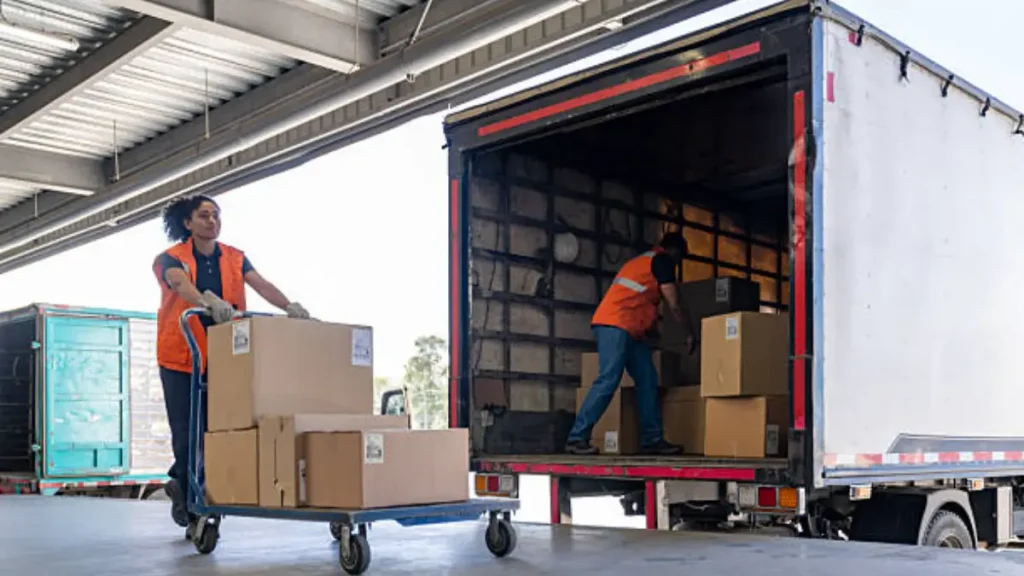
Identifying a problematic partner early can save you thousands in lost deposits and defective inventory. Watch out for these critical indicators during your vetting process:
Financial Opacity and Contractual Loopholes
Hidden Markups (30-40%): Deceptive pricing where agents layer massive margins on top of factory costs and tariffs, potentially doubling your cost of goods.
Personal Account Payments: Requests to wire funds to personal or offshore accounts instead of verified corporate entities.
Refusal of Transparency Clauses: Hesitation to sign contracts that include penalty-of-perjury affidavits or clear anti-kickback policies.
Vague Invoicing: Invoices that fail to separate the actual product cost from the agent’s service fee.
Operational Resistance and Quality Control Gaps
Blocking Factory Access: Refusal to allow unscheduled factory visits or preventing direct communication with the manufacturer.
Mismatched Documentation: Discrepancies where the billing entity differs from the actual factory location or business license.
Technical Incompetence: Misapplication of AQL sampling plans or using expired test reports and uncalibrated inspection tools.
Reactive Problem Solving: A tendency to blame the factory for all defects rather than taking proactive steps to fix the production process.
Lack of On-site Vetting: Operating entirely remotely without physical offices in key manufacturing hubs like Guangzhou or Yiwu.
When You Should or Shouldn’t Use an Agent
Deciding whether to hire a sourcing agent in China depends on your internal resources and the complexity of your product.
Scenarios That Demand Professional Sourcing Support
In these cases, the China sourcing agent commission rates act as an insurance policy for your supply chain:
- Complex Product Development: When your project involves custom Bills of Materials (BOMs), OEM engineering changes, or strict technical specifications.
- High-Compliance Categories: If your products require mandatory certifications like CE, FDA, or RoHS. An agent will rigorously verify Chinese suppliers to ensure they hold valid, non-expired credentials.
- Risk Mitigation & Fraud Prevention: When you lack a local team to perform on-the-ground factory audits before transferring significant deposits.
- Logistics Consolidation: When you are buying from multiple manufacturers and need a central hub to inspect, bundle, and ship goods as a single consignment.
When Direct Factory Sourcing is the Better Option
You might consider bypassing an agent if your business meets the following criteria:
- Off-the-Shelf Commodities: Sourcing simple, “white-label” goods that require zero customization and have stable, repeat demand.
- Established Internal Teams: Your company already has a dedicated China-based procurement or QC team capable of managing logistics and factory audits independently.
- Low-Margin, High-Volume Goods: For mature product lines where every cent counts, avoiding the standard sourcing agent in China fees is crucial to maintaining profitability—provided the risks are already minimized.
- Proven Supplier Relationships: If you have worked with the same manufacturer for years without quality fade or communication gaps.
Final Thoughts
Choosing a China sourcing agent is a strategic investment in supply chain stability. The right partner acts as your “on-the-ground” insurance policy, converting complex manufacturing risks into a competitive edge through technical compliance and total fee transparency.
At Asian Sourcing Group (ASG), we bridge the gap between Western quality expectations and Chinese production realities. With a physical presence in key manufacturing hubs and a commitment to ISO-standardized QC, we protect your margins from fraud and quality fade. Whether you are scaling an SMB or managing a complex OEM project, ASG provides the institutional infrastructure you need to source with confidence.
Ready to secure your supply chain? Get a Free Supplier Verification Report today →
Frequently Asked Questions
Do you have a physical office in China, and can I visit it?
Yes. We operate local offices in China and welcome visits. You can also explore Our factories to verify our on-the-ground execution and supplier network.
How do you vet factories before presenting them?
Look for an elimination process based on compliance and capacity, not just a database search.
What services do sourcing agents actually provide?
A capable sourcing agent handles the entire supply chain process, including supplier verification, factory audits, price negotiation, production monitoring, quality control (QC) inspections, and logistics coordination for customs clearance.
How are sourcing agents typically paid?
Most agents work on a commission basis, typically charging 3-8% of the total order value. Alternatively, some charge fixed project fees ranging from $500 to $2,000 depending on the complexity of the sourcing task.
Is it better to pay a commission or a fixed fee?
Fixed fees are often recommended for small or one-off projects to keep costs predictable. Commission models are generally better for large, ongoing orders, as they incentivize the agent to manage the larger production value effectively.
What are major red flags to look for in a sourcing agent?
Avoid agents who refuse to coordinate with third-party inspection companies, lack their own warehouse facilities, cannot prove they have export rights, or lack transparency regarding their factory relationships.
How can I test an agent before placing a large order?
Run a small sample order first. Paying for samples and shipping allows you to evaluate their communication speed, logistics competence, and transparency before committing to a bulk manufacturing contract.



-300x198.png)


