
Ever wondered why that perfect China supplier insists on a 1,000-unit minimum when you only need 200? Is MOQ an arbitrary sales target or a calculated survival metric for factories? Understanding the “why” behind these numbers is the secret to breaking them.
This guide deconstructs the mechanics of Minimum Order Quantity (MOQ) and reveals proven tactics to slash these barriers. From negotiating a 10–20% price premium to leveraging “order splitting” and shared materials, you’ll learn how to secure small batch manufacturing in China without killing your cash flow. Ready to turn supply chain constraints into a strategic advantage?
What is MOQ and Why It Exists
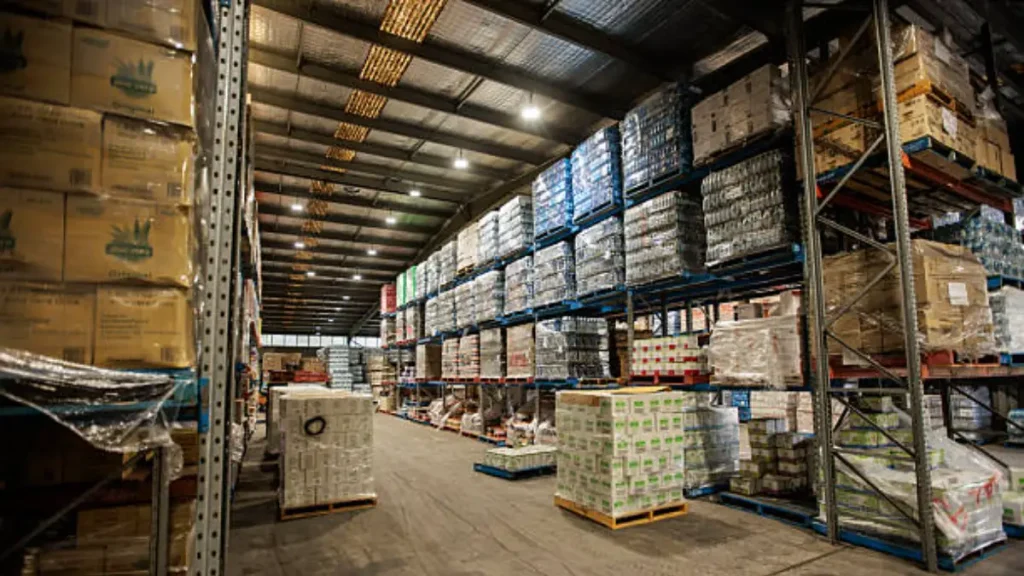
Minimum Order Quantity (MOQ) is the lowest unit count a supplier accepts to ensure a production run covers its fixed costs. While buyers prioritize Economic Order Quantity (EOQ) to minimize holding costs, factories enforce MOQ as a non-negotiable threshold for operational viability.
Defining MOQ: Simple Batches vs. Complex Constraints
MOQ typically manifests in two forms:
- Simple MOQ: Fixed quantities dictated by machine cycles. For example, a machine produces 1,000 units per cycle; running fewer creates “partial run” losses.
- Complex MOQ: Variable thresholds driven by raw material constraints. If a vat of perishable dye covers 500 units, the factory must enforce a 500-unit MOQ to prevent material waste.
The Economic Logic: Setup Costs and Overhead Recovery
Beyond physical constraints, MOQ is a financial necessity for overhead recovery. Every run incurs fixed setup costs—machine calibration, tooling changes, and labor preparation. High MOQs allow factories to:
- Amortize Fixed Costs: Distribute setup expenses across more units to maintain a competitive per-unit price.
- Align with Systems: Systems like MRP (Material Requirements Planning) automatically round demand up to the nearest MOQ to optimize capacity and prevent “dead stock.”
Ultimately, MOQ ensures the factory achieves a break-even point, preventing small batches from resulting in a net loss.
Common MOQ Strategies Factories Use
Manufacturers don’t use a “one-size-fits-all” approach. They employ specific commercial strategies to balance their production efficiency with buyer flexibility.
Tiered Pricing Structures (Volume-Based)
This is the most common “stepped” model designed to incentivize larger orders. Factories offer a sliding scale where higher volumes unlock lower per-unit costs.
- The Logic: A base price for a 100-unit “test run,” a discounted rate for 500 units, and the lowest price for 1,000+ units.
- Buyer Advantage: This allows you to start small at a premium while knowing exactly how much your margins will improve as you scale.
Value-Based Minimums (Minimum Order Value)
In some industries, factories prioritize revenue over unit count. Instead of demanding 1,000 pieces, they mandate a Minimum Order Value (MOV)—for example, a $5,000 total order.
- The Logic: This ensures the transaction covers administrative and logistics overhead regardless of the product type.
- Buyer Advantage: Highly beneficial for brands with a diverse catalog. You can mix and match multiple low-volume SKUs to hit the total dollar threshold without overstocking a single item.
Fixed-Cost Amortization (Tooling & Setup)
For products requiring custom molds or complex calibration, the MOQ is driven by Upfront Setup Costs. If a mold setup costs $2,000, the factory must produce enough units to “dilute” that cost into the unit price.
- The Logic: If the MOQ is 2,000 units, each unit carries $1 of the setup fee. If you only order 200 units, the factory would lose money unless they drastically increased the price.
- Buyer Advantage: By understanding this, you can offer to pay the “setup fee” separately in exchange for a significantly lower MOQ.
How to Negotiate Lower MOQ Terms
Negotiating a lower MOQ is not about simple persuasion; it is about offering a commercial trade-off that protects the factory’s margins while reducing your inventory risk. Use this table to match your specific constraints with the right negotiation lever:
| Negotiation Lever | Actionable Tactic | Supplier Incentive |
|---|---|---|
| Unit Economics | Offer Premium Price (10-20%) | Offsets fixed setup & labor costs |
| Product Design | Standardize Components | Utilizes existing raw material stock |
| Financial Risk | Increase Upfront Deposit | Improves factory cash flow immediately |
| Logistics | Accept Ex-Works (EXW) | Removes shipping & customs liability |
| Strategy | Pitch as a “Paid Trial” | Focuses on long-term growth potential |
Offer a Price Premium (The “10-20% Rule”)
The most direct way to lower MOQ is to offset the factory’s fixed setup costs by paying a higher unit price. Accepting a 10–20% premium often makes a small batch profitable for the supplier. However, always calculate your total landed cost first to ensure that the higher unit price still allows for a healthy retail margin after shipping and duties.
Standardize Components & Raw Materials
High MOQs are often driven by sub-suppliers (e.g., fabric mills or plastic resin providers). By selecting standard materials or colors that the factory already stocks for other clients, you eliminate their need to buy new materials in bulk, making a small order much easier to approve.
Leverage Order Pooling via Sourcing Agents
Instead of approaching a factory as a lone small buyer, use a sourcing agent or trading company. These intermediaries can “pool” your order with requirements from other clients. This allows the factory to run one large batch that satisfies their total volume needs while servicing your small account.
Improve the Factory’s Cash Flow
Mitigate the supplier’s financial risk by offering favorable payment terms. Increasing your upfront deposit to 50% or 100% (instead of the standard 30%) demonstrates financial reliability and reduces the factory’s debt burden, making them more flexible on volume.
Shift Logistics Responsibility (Ex-Works Terms)
Small orders are an administrative headache for factory logistics teams. Agreeing to Ex-Works (EXW) terms means you handle the shipping and customs. This reduces the factory’s operational burden, making them more likely to accept a “low-maintenance” small order.
Secure Verified Manufacturers & Competitive Pricing in China

Splitting Orders and Consolidation Techniques
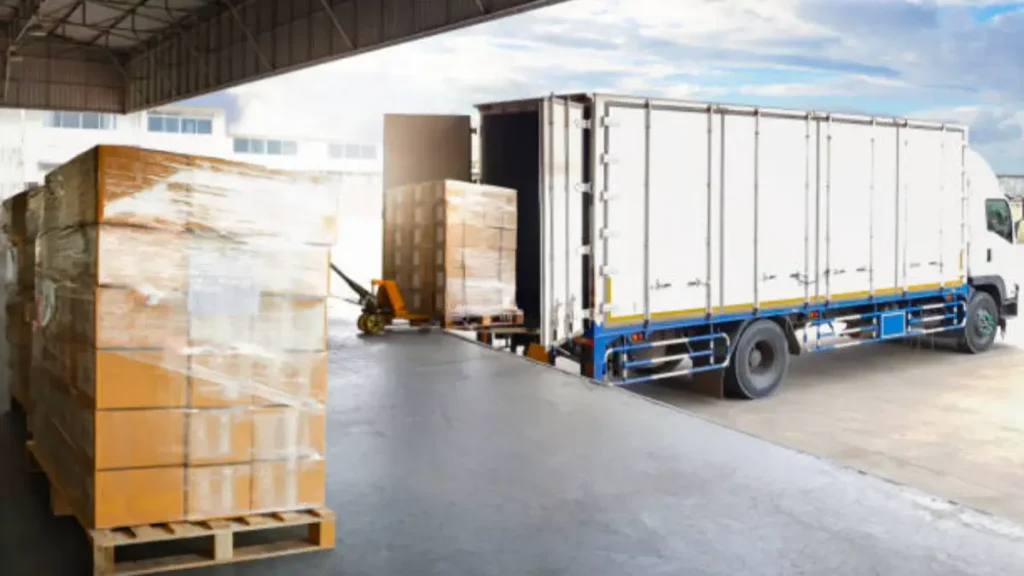
So, you’ve negotiated the MOQ down—now what? The challenge shifts from the production line to the shipping container. Managing smaller batches often leads to “split orders,” which can skyrocket your logistics costs if not handled correctly.
Order Splitting allows you to divide requirements across multiple suppliers or zones to bypass capacity bottlenecks and meet individual MOQ flexibility. However, the secret to maintaining margins is Consolidation: merging these fragments into a single bulk shipment.
- The Financial Goal: By utilizing time-space network optimization, you can merge goods at a central hub. This maximizes container utilization and slashes per-unit freight costs, even if it slightly extends lead times.
- System Integration (OMS & WES): Professional buyers use Order Management Systems (OMS) to enforce consolidation criteria, ensuring orders only ship once they hit a specific value or volume threshold.
- Warehouse Automation: In China-based fulfillment, Warehouse Execution Systems (WES) use license-plate tracking to stage items from different production runs for a unified “final mile” delivery.
Multi-Product Orders to Reduce MOQ Impact
Once you’ve mastered splitting and consolidating shipments, the next logical step is optimizing the order itself. If a single SKU’s MOQ is too high, shift the conversation from “units per item” to Total Order Value (TOV) or material consumption.
Multi-Product Bundling: A Strategic Shift
The goal is to move beyond rigid per-SKU minimums. By bundling products, you ensure the manufacturer hits their profit targets while you avoid overstocking.
- The Power of Total Order Value (TOV): Instead of meeting a 1,000-unit requirement for one item, propose a $10,000 total order across five different SKUs. This guarantees the factory’s revenue while giving you a balanced inventory mix.
- Subsidizing Risk: Pair high-velocity “hero” products with new, low-volume test SKUs. The stable revenue from your bestsellers offsets the setup costs for your experimental items.
Efficiency via Shared Materials
MOQs are often high because the factory must purchase raw materials in bulk. You can bypass this by:
- Grouping SKUs: Select products that share identical fabric, resin types, or color dyes. Aggregating material usage across multiple lines satisfies the factory’s procurement minimums.
- Blanket Orders: Commit to a large total volume but negotiate staggered deliveries. The factory produces in bulk to save costs, while you take possession of the inventory only as needed.
When Accepting Higher MOQ Makes Sense
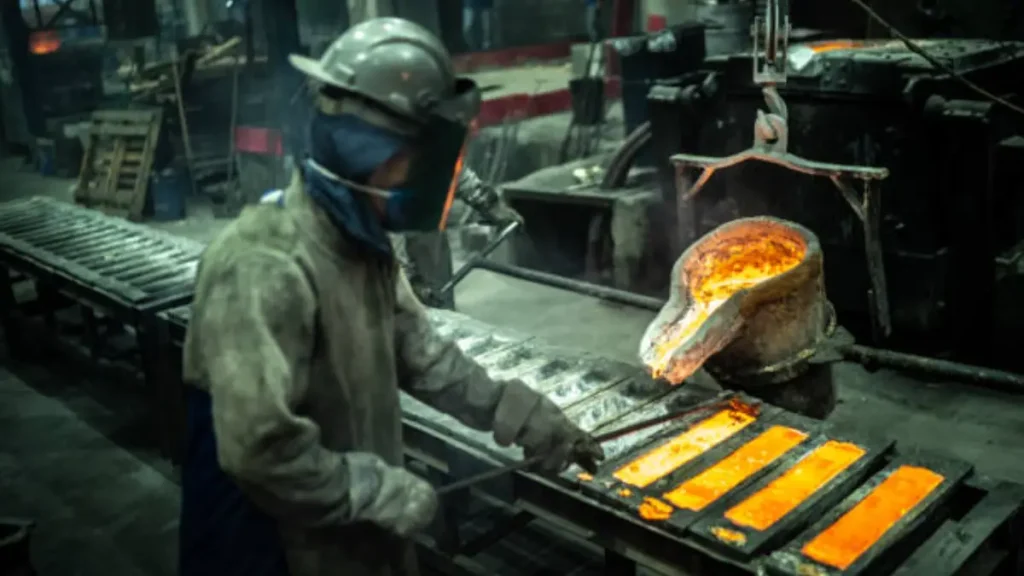
While reducing MOQs preserves cash flow, accepting higher volumes is often a strategic financial decision. For products requiring custom tooling or complex setups, higher MOQs are the only way to achieve economies of scale and ensure factory commitment.
The Economics of Amortization
The primary reason to accept a high MOQ is to dilute fixed setup costs. Before a single unit is made, factories incur thousands of dollars in expenses for mold creation, machine calibration, and labor prep.
Committing to higher volumes also secures factory prioritization. Manufacturers allocate their best engineers and stricter quality control to profitable bulk runs, whereas low-margin small batches are often deprioritized or prone to higher defect rates.
Product Categories Mandating Volume Commitments
In many sectors, high MOQs are a technical necessity rather than a sales target:
- Injection Molding: Custom silicone or plastic items (e.g., kitchenware) typically require 5,000+ units to justify mold investments.
- Specialized Printing: Custom-branded packaging or books often mandate 10,000 units due to the complexity of offset press setups.
- Custom Apparel: While blanks allow for low minimums, fully customized fabrication (unique patterns/dyes) usually requires 1,000+ units to offset the specialized cutting and sewing labor.
- Commodity Components: Low-value items like fasteners or rivets require 50,000+ units to achieve the mass-production efficiency needed for profitability.
Alternative Models for Small Buyers
If custom manufacturing isn’t viable due to high MOQs, you can bypass factory constraints by utilizing “Ready-Stock” and wholesale models. These channels allow you to test markets with minimal financial exposure.
1. Wholesale Hubs: Yiwu & Regional Markets
For physical sourcing, markets like the Yiwu International Trade Market are the gold standard. With over 70,000 booths, these wholesalers carry existing inventory, offering thresholds significantly lower than direct factories.
2. Digital Platforms: Alibaba “Ready-to-Ship” & AliExpress
For online procurement, leverage the “Ready-to-Ship” filters on Alibaba or use AliExpress for white-label items. These platforms facilitate access to products with zero manufacturing setup, allowing you to purchase as few as 1–10 units. This is ideal for dropshippers or startups in the “Proof of Concept” phase.
3. Liquidation & Excess Stock Inventories
Keep an eye on Liquidation Markets or ask suppliers about “overstock” from larger clients. Purchasing cancelled orders or excess inventory allows you to secure high-quality goods immediately without production lead times or any MOQ barriers.
4. Group Purchasing & Trading Companies
If you must have custom goods but can’t hit the volume, work with a Trading Company. These intermediaries consolidate demand from multiple small buyers into a single “bulk” factory order. By splitting the factory’s MOQ across several parties, you collectively meet the supplier’s requirements.
5. Off-Peak Production Scheduling
Negotiate with factories to run your small order during their off-peak seasons. When production lines are idle, manufacturers are more likely to accept sub-MOQ batches to keep their staff employed and machines running, often without the standard price premiums.
Note: When working with new suppliers, always verify the factory using a rigorous due diligence method before sending any deposits.
Final Thoughts
Mastering MOQ is about balancing financial reality with creative negotiation. Whether through price premiums, shared materials, or consolidation, reducing minimums requires a business case that mitigates supplier risk. While small batch manufacturing in China is the ideal entry point for custom manufacturing for startups, scaling effectively means transitioning from minimizing volume to maximizing efficiency through economies of scale.
Ready to bypass rigid factory limits? As a premier low MOQ sourcing agent, Asian Sourcing Group (ASG) specializes in professional product sourcing and order consolidation. We bridge the gap between your inventory needs and factory requirements to protect your cash flow. for a custom quote and turn your supply chain constraints into a strategic advantage!
Frequently Asked Questions
Why do factories insist on Minimum Order Quantities (MOQs)?
Factories establish MOQs to cover fixed production costs, manage operational risk, and achieve economies of scale. Setting a minimum threshold ensures they do not operate at a loss when setting up machinery and sourcing raw materials for a production run.
Are MOQs negotiable?
Yes, most MOQs are negotiable to some degree. Industry data suggests that adept negotiation can lead to reductions of roughly 15-20%, typically achieved by building relationships or offering specific trade-offs rather than simply demanding lower numbers.
Can I lower MOQ without increasing the unit price?
While difficult, it is possible to minimize price increases by using strategies such as bundling multiple SKUs, providing long-term annual forecasts, or starting with paid trial orders. However, accepting a slightly higher unit price is often the most direct way to secure a lower MOQ.
What trade-offs are reasonable to offer for a lower MOQ?
Standard trade-offs include accepting a higher unit price to compensate for the factory’s reduced efficiency, agreeing to extended lead times, or offering better payment terms to reduce the supplier’s financial risk.
When should I accept a higher MOQ?
It makes sense to accept a higher MOQ if the unit price reduction offers significant overall savings, if the supplier provides unique quality or capabilities not found elsewhere, or if your cash flow and storage capacity can handle the inventory without strain.



-300x198.png)


