
Managing a global supply chain can be challenging without a clear understanding of China’s product sourcing timeline. Many buyers overlook the detailed 7-step framework, often relying on optimistic supplier estimates that lead to delays and inventory gaps.
This article outlines lead times for different product categories, from quick Make-to-Stock items to the longer cycles for custom machinery. It also highlights key logistical challenges, such as Red Sea diversions, to help you align your procurement with market realities.
Stages of the Sourcing Process
The sourcing process typically follows a 7-step strategic framework: opportunity identification, supplier research, strategy development, RFx execution, negotiation, contract integration, and performance benchmarking.
| Sourcing Phase | Key Activities | Operational Outcome |
|---|---|---|
| Phase 1-3: Identification & Strategy | Spend analysis, market research, and strategy development via RFI. | Verified opportunity assessment and supplier list. |
| Phase 4-5: Selection & Negotiation | Execution of RFP/RFQ, proposal scoring, and negotiation of terms. | Selected supplier and agreed-upon SLA terms. |
| Phase 6-7: Execution & Management | Contract finalization, integration, and performance benchmarking. | Operational supply chain and continuous improvement metrics. |
Effective sourcing starts with defining clear technical specifications, including product size, weight, materials, and pack sizes. In sectors like foodservice, this may include delivery windows and volume constraints. These detailed requirements are then incorporated into the RFP to serve as the foundation for supplier evaluation.
Additionally, analyzing spend patterns—such as total spend, frequency, and transaction size—helps establish lotting strategies and volume leverage. By defining technical and financial baselines early, businesses can better manage timeline dependencies and ensure that RFx responses are actionable and comparable.
Supplier Shortlisting and RFQs
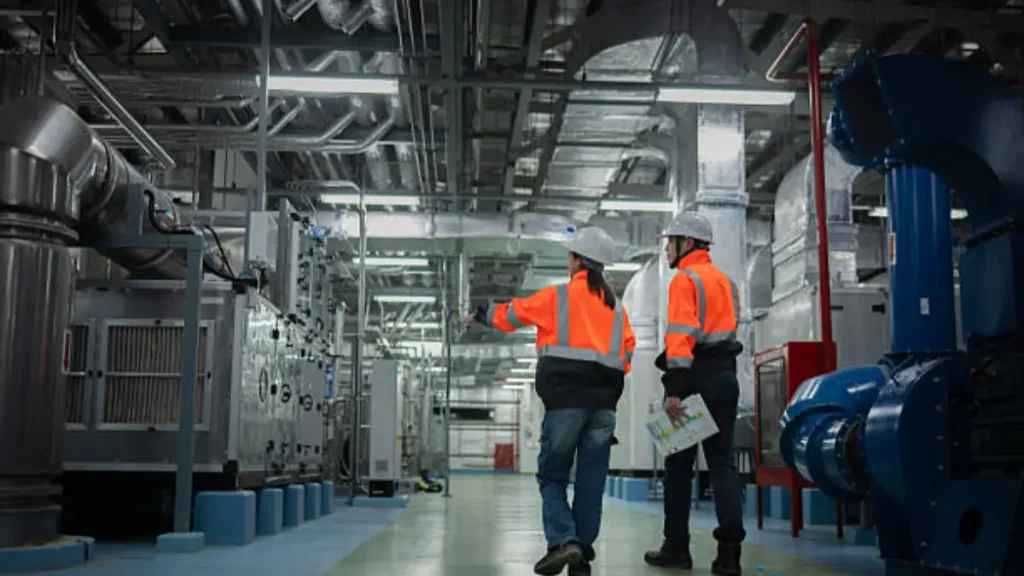
The supplier shortlisting process typically takes 1-2 weeks, during which we assess potential suppliers based on their capabilities, certifications, and past performance. Our QC team conducts an in-depth factory inspection, reviewing production processes and equipment, which usually requires 3-5 days on-site.
Following the inspection, we conduct a documentation review of the supplier’s quality control procedures, certifications, and production records, typically taking 3-5 days. Once the initial evaluation is complete, we begin issuing Requests for Quotation (RFQs), allowing suppliers to confirm their Minimum Order Quantities (MOQs) and acceptance standards, which can take around 1 week.
This process ensures we partner with suppliers who meet your needs while also establishing clear specifications to avoid discrepancies down the line. Overall, the supplier shortlisting and RFQ process typically takes 3-4 weeks to complete.
Sampling and Sample Evaluation
Sampling typically takes 15-60 days, depending on the complexity of the product. This phase bridging the gap between design and mass production, ensuring the final product meets quality standards.
Golden Sample Standard
The Golden Sample represents the final agreement on materials, finish, and workmanship. It is the benchmark for all future production units, ensuring consistency across batches.
This sample is thoroughly inspected and must align with the approved prototype before mass manufacturing begins, preventing discrepancies during production.
Regulatory Testing Protocols and Batch Requirements
- For regulated products, such as medical or pharmaceutical items, lab testing is more stringent, often requiring triple the standard volume.
- Testing ensures that the product complies with safety standards and regulations (e.g., RoHS, FDA).
- Re-inspection timelines are closely followed (7 days) to ensure factory capabilities align with the approved prototype.
ASG’s meticulous product sourcing and quality control processes ensure that every product meets required specifications and regulatory standards, providing a solid foundation for reliable and successful mass production.
Source Verified Products Directly from China’s Best Factories

Quotation Negotiation and Contracting
Building on the Sampling and Sample Evaluation phase, the next step is Quotation Negotiation and Contracting. This phase, typically lasting 1 to 8 weeks, involves analyzing RFQ responses, negotiating pricing tiers, and finalizing terms to ensure alignment on costs, payment, and quality benchmarks.
RFQ Analysis and Strategic Negotiation
Negotiations should be data-driven, using tiered quotes to uncover cost curves and potential volume discounts. This strategy reveals economies of scale and helps buyers negotiate better terms.
Beyond price, it’s important to evaluate payment flexibility (upfront vs. installments), MOQ requirements, and storage capacity to optimize value and minimize risks.
Structuring the Supplier Contract
Once the terms are agreed upon, a formal contract is created, including clauses for pricing stability, shipping schedules, and penalties for delays or non-compliance. Quality control measures and dispute resolution mechanisms are also incorporated to safeguard the buyer against unexpected issues during production and delivery.
Production Lead Times by Product Type
When planning product sourcing in China, knowing the production lead times helps align expectations and manage timelines effectively.
Lead Time Comparison Table
The following table summarizes typical lead times based on product categories and manufacturing models:
| Product Category | Production Model | Estimated Lead Time |
|---|---|---|
| Standard Goods (MTS) | Inventory-Based | Days to Weeks |
| Standard Machinery | Assembly | 3 – 6 Weeks |
| Custom Machinery | Engineer-to-Order | 18 – 26 Weeks |
| Electronics | Component Sourcing | 12 – 40 Weeks |
Standard vs. Custom Manufacturing Models (MTS vs. MTO)
The lead time for production is largely determined by the type of manufacturing model: Make-to-Stock (MTS) or Make-to-Order (MTO).
- MTS (Make-to-Stock): Products are built in advance and stored in inventory, which results in faster lead times—typically days to weeks for order processing and shipping.
- MTO (Make-to-Order): Production starts only after receiving an order, leading to longer lead times as it involves raw material procurement, manufacturing setup, and production.
Category-Specific Lead Times: Electronics and Machinery
Electronics components face significant supply chain volatility, with procurement lead times ranging from 12 to 40 weeks, particularly for high-demand items like:
- Capacitors: Delays up to 34 weeks
- Automotive semiconductors: Average 13 weeks
Machinery lead times vary based on complexity:
- Standard Machinery: Typically 3-6 weeks, using pre-stocked materials and minimal setup.
- Custom Machinery: Requires 18-26 weeks due to engineering and specialty sourcing, with some complex builds exceeding 20 weeks.
Quality Control and Inspections

Quality control is a multi-stage verification process that typically adds 2–5 days to the sourcing timeline.
Critical Inspection Stages in the Production Timeline
To mitigate risk throughout the manufacturing lifecycle, inspections occur at four specific intervals. These checkpoints ensure that errors are identified before they compound into costly production failures:
- Pre-Production Inspection: This stage verifies that raw materials and components meet all technical specifications before mass manufacturing commences.
- During-Production (In-Process) Checks: Inspectors monitor critical real-time metrics, such as temperature, pressure, and production speed, to catch process deviations early.
- Final Random Inspection (FRI): The most common validation step, performed when goods are 100% produced and at least 80% packed to ensure final quality.
- Loading Supervision: A final check that ensures the correct quantity and packing condition of the goods immediately prior to sealing the shipping container.
Technical Standards: AQL, ISO 2859-1, and Lab Testing
Professional quality control is based on statistical methodologies to ensure consistent, reliable product quality. Key standards include:
- AQL (Acceptable Quality Level): ANSI/ASQ Z1.4-2008 is the standard for sampling by attributes. It uses General Inspection Level Normal II for most consumer goods, balancing inspection costs and defect risks. This allows importers to define acceptable defect limits instead of inspecting every unit.
- ISO 2859-1: This international standard outlines inspection levels and AQL values for statistically valid sampling of lots, ensuring robust quality assurance for large-scale production.
- ISO 17025 Accreditation: For products with strict safety compliance, such as electronics or toys, testing should be conducted by third-party laboratories accredited with ISO 17025, which ensures technical competence for performing specific tests.
Shipping and Customs Delays
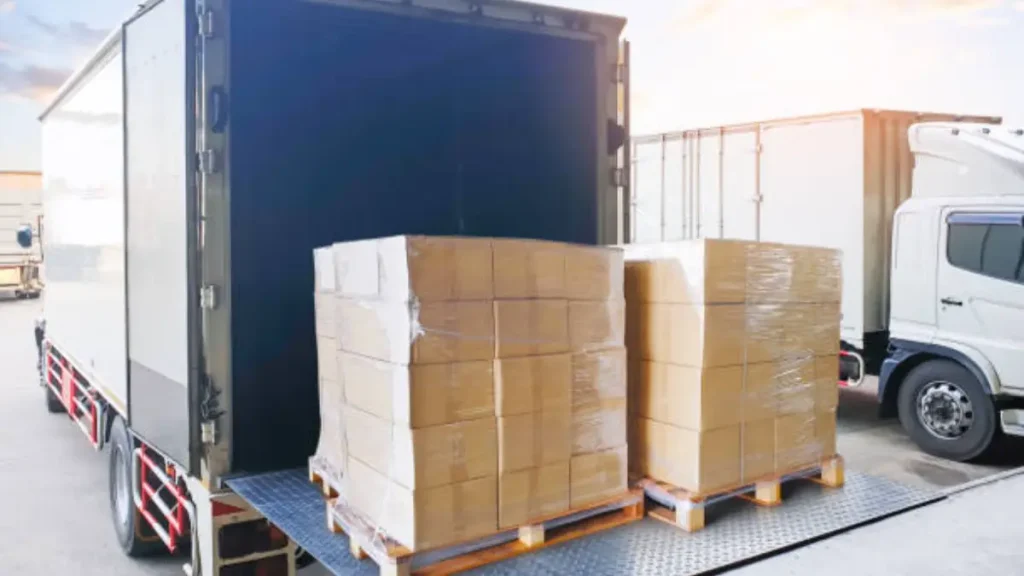
Shipping from China can take 33–63 days, depending on the destination. For US East Coast routes, delays are often caused by Red Sea diversions, adding 10–14 days to transit times. On average, shipments to the US West Coast take 33.4 days, while the East Coast averages 51.3 days due to rerouting.
Shipments to North Europe face the longest delays, with an average of 63 days. It’s important for buyers to differentiate between port-to-port and door-to-door times, as inland logistics can add additional delays.
Key Bottlenecks: Port and Customs Delays
- Port Dwell Times: Congestion at major ports like Los Angeles can cause 7–14 days of additional delays during peak seasons. On the West Coast, dwell times average 2–3 days, while on the East Coast, it’s roughly 12 hours.
- Customs Delays: Documentation issues or random exams can lead to extended holds, making strict compliance checks crucial to avoid indefinite delays.
Final Thoughts
Mastering the China sourcing timeline requires a disciplined, phase-based approach. Success lies in anticipating bottlenecks across sourcing, production, and logistics, while factoring in lead times, regulatory testing, and customs delays.
At ASG, we simplify the complexities of sourcing by handling everything from factory selection to logistics, ensuring timely delivery without compromising quality. Our experienced team in Guangzhou connects you with reliable manufacturers, offering you peace of mind throughout the process.
Start your sourcing journey with ASG today and turn your vision into reality!
Frequently Asked Questions
How long does the sampling process typically take?
Sampling in China usually takes 15-60 days, depending heavily on product complexity and the number of revisions required.
What are the most common causes of production delays?
Delays often stem from tooling and mold creation (adding 5-20 days), custom material sourcing (7-20 days), sample revisions, and quality control rework.
Is it realistic to finish custom production in under 40 days?
Generally, no. Expecting under 40 days for total custom production is unrealistic. While timelines can be accelerated via rush orders or pre-stocked materials, this increases costs significantly.
How much buffer time should be planned for the sourcing timeline?
It is recommended to plan 20-30% buffer time to account for unforeseen issues like holidays, tooling adjustments, or shipping delays (often 10-30 days).



-300x198.png)


