
Sourcing from China goes beyond simply finding the lowest price; the real challenge is identifying legitimate manufacturers versus trading companies. This guide explores the key factors in product sourcing from China, including cost structures, hidden fees, and how to navigate pricing tiers. By mastering these elements, you’ll be better equipped to optimize your sourcing strategy and ensure long-term supply chain success.
Factory vs Trading Company: What’s the Real Difference?

In China, factories and trading companies are often misunderstood as being similar, but in reality, they differ significantly in their operating models, cost structures, and product ranges.
Asset Ownership and Product Specialization
Factories are asset-heavy, owning production facilities, raw material warehouses, and specialized machinery like CNC units and injection molding equipment. Their value comes from direct control over manufacturing, which lowers unit costs by eliminating middlemen. However, they are typically specialized, focusing on one or two product categories.
In contrast, trading companies are service-oriented with minimal physical assets. Operating from commercial offices, they source a wide range of products by leveraging relationships with multiple factories. This flexibility offers a “one-stop-shop” experience but comes with higher service margins, raising per-unit costs.
Verification Signals: Licenses, Locations, and MOQs
To distinguish between a factory and a trading company, check their business license. A legitimate factory lists “制造” (Manufacturing) and has higher registered capital for machinery, while a trading company lists “贸易” (Trading) and often has lower capital. Factories are typically located in industrial zones like Shenzhen or Dongguan, while trading companies are in commercial centers like Guangzhou or Yiwu.
Factories require higher Minimum Order Quantities (MOQs) due to setup costs, making them unsuitable for small batches. Trading companies, however, offer lower MOQs by consolidating orders from multiple clients or holding stock, making them more flexible but with potential quality risks due to outsourcing and less transparency.
How Pricing Structures Work in China
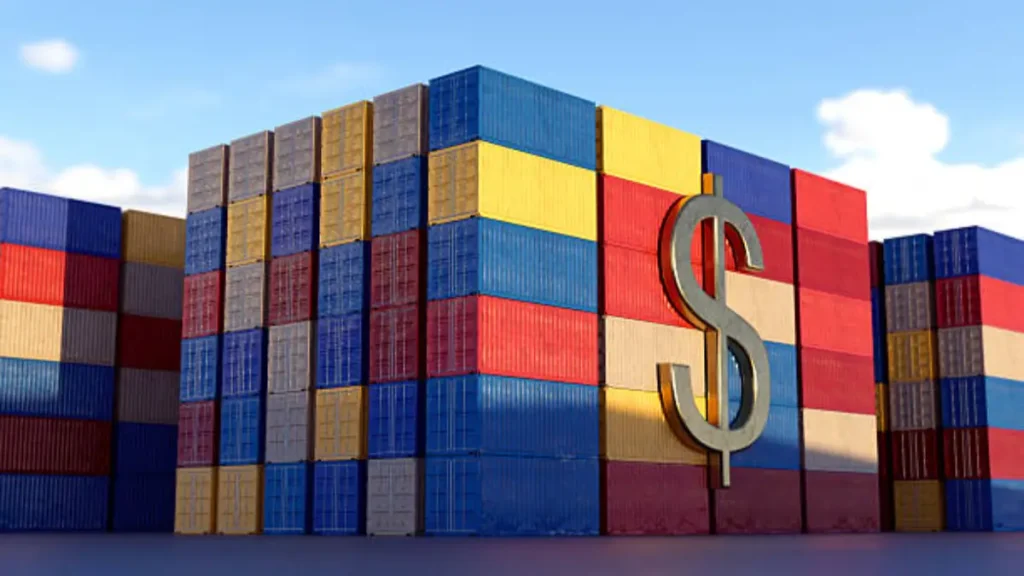
Pricing in China follows a tiered wholesale model influenced by Minimum Order Quantity (MOQ). Quotes are typically given on an FOB (Free On Board) basis, meaning shipping costs are excluded, and responsibility for logistics shifts to the buyer once goods leave the export port. The final cost fluctuates based on the quality of materials, with raw materials making up 60%-72% of the unit price. Labor rates vary by region, ranging from $3 to $6 per hour.
The Tiered Pricing Model and FOB Standards
Manufacturing pricing is tiered according to MOQ. Higher volume orders (e.g., 1,000+ units) receive discounts due to economies of scale, while smaller orders incur premiums to cover setup costs such as tooling and engineering. This model ensures that the initial setup costs are spread across more units, lowering the price per item as volume increases.
Cost Breakdown Variables
Raw material quality plays a significant role in the cost. The following table outlines the different material quality grades and their corresponding cost differentials, helping to illustrate how material selection impacts the overall pricing structure.
| Quality Tier | Material Standard | Cost Differential (vs. Base) |
|---|---|---|
| A-Grade | Premium / High Consistency | +30% to +40% |
| B-Grade | Baseline Standard | 0% (Standard Quote) |
| C-Grade | Lower Consistency | -15% to -25% |
| D-Grade | Lowest / Recycled Mix | -40% to -60% |
Labor costs are another key variable, with coastal regions like Guangdong and Zhejiang charging higher rates due to infrastructure, while inland labor is cheaper. Hidden costs such as quality control and logistics can add approximately 24% to the base labor cost, impacting the overall price.
MOQ and Its Impact on Cost
MOQ is driven by the need to amortize fixed setup costs, such as machinery and labor, across enough units to ensure profitability.
Suppliers set Minimum Order Quantities (MOQs) based on a break-even analysis, where fixed setup costs (like machinery and tooling) are divided by the margin per unit. This ensures that the supplier covers initial costs and makes a profit. For example, a $10,000 setup cost with a $12 margin per unit requires an MOQ of about 834 units.
Complex or custom products typically require larger MOQs to justify setup costs, while standardized products can have lower MOQs due to shared production resources. Manufacturers often use tiered pricing to encourage higher volumes, with unit prices dropping as the order size increases.
While higher MOQs reduce per-unit costs through economies of scale, they also bring “Inventory Risk.” The savings on unit price may be offset by storage fees, insurance, and the risk of unsold stock. Strategic sourcing means balancing the savings from high MOQs with the hidden costs of holding large inventories.
Stop Chasing Factories—Get Verified Sourcing in China

Typical Lead Times for Manufacturing
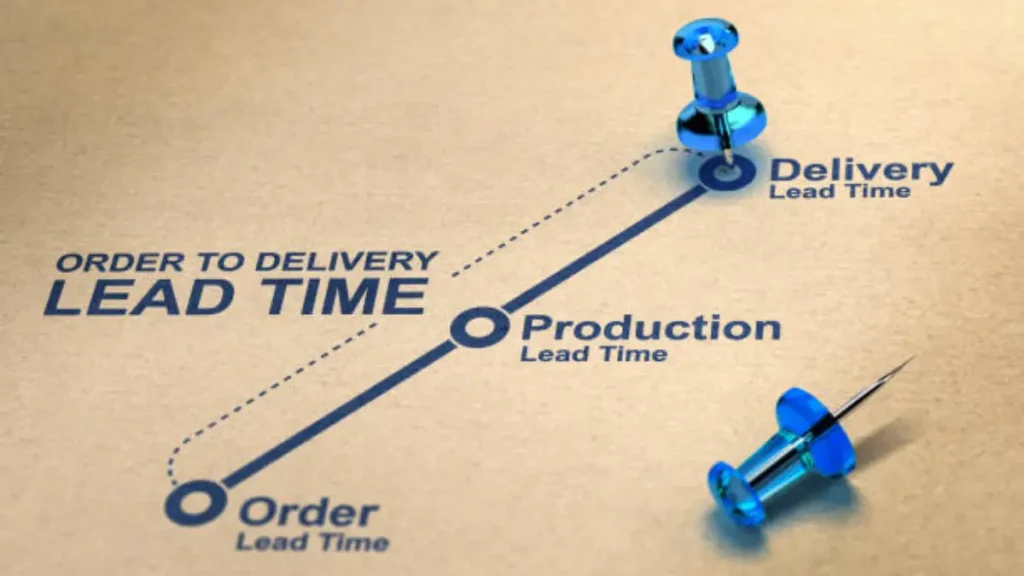
Manufacturing lead times (MLT) are largely influenced by non-operational wait times, often accounting for up to 94% of the Total Product Lead Time (PLT). While machine operation takes only 6 minutes per item, factors like queueing, setup, and batch processing can extend delays to over 10 hours per batch.
Breakdown of Total Product Lead Time (PLT)
PLT includes design, planning, and control phases, with manufacturing itself contributing just 4.2 hours of the total 4.45 hours per item in optimized scenarios. Most of the lead time comes from non-manufacturing activities, such as waiting for equipment or materials.
Impact of Batch Size and Non-Operational Wait Times
Around 90-95% of factory time is spent waiting rather than producing. Lead times often follow a queueing model where the total time scales with batch size. Smaller inefficiencies in batch management can significantly affect the overall schedule.
Critical Bottlenecks
Setup times and waiting periods are major constraints. Operational data highlights move time as a key bottleneck that, if reduced, could significantly improve throughput efficiency.
Where Hidden Costs Usually Appear
Hidden costs in China sourcing can add approximately 24% to the total product cost, often surpassing the initial ex-factory price. These costs mainly arise from:
- Logistics and Customs Fees (15-20%)
Freight, customs, and logistics add a significant amount to the base price. Tariffs, such as 29% on certain goods like bags, further increase landed costs. Non-compliance with regulations, like incorrect HS codes, can lead to detained shipments and fines, affecting profit margins. - Quality Defects (4%)
Quality issues, often due to “quality fade” (using cheaper materials over time), account for an average of 4% of the total cost. Unverified middlemen inflate prices by 20-30%, increasing the risk of defects and errors. - Compliance Fines and Middleman Markups
Non-compliance fines and middleman service fees add unexpected expenses, sometimes between $5,000 and $50,000, especially for new importers.
Investing in ISO 9001-grade quality control can reduce defects by up to 85%, though it adds 10-15% to upfront costs, providing long-term savings.
Best Practices for Cost Control and Timing
Effective cost control goes beyond negotiating unit prices and focuses on optimizing total landed costs. Key strategies include:
Negotiating Payment Terms
- Shift from a 30% deposit to a 20% upfront payment with the remaining 80% due post-inspection. This improves working capital and reduces financial strain.
- Long-term supply agreements provide stability for both parties, often resulting in better pricing and more reliable production schedules.
Logistics Consolidation and Incoterm Optimization
- Consolidate orders from multiple suppliers into centralized warehouses to qualify for Full Container Load (FCL) rates, reducing shipping costs compared to Less than Container Load (LCL) rates.
- Prioritize FOB (Free On Board) terms over EXW (Ex Works) to include local logistics costs in the supplier’s price, simplifying the import process and avoiding hidden fees at the port.
Final Thoughts
Successful product sourcing in China is about more than just finding the lowest price—it’s about aligning your supplier choice with your business needs. For startups, trading companies offer flexibility with lower MOQs, while mature businesses can unlock economies of scale by working directly with factories. However, the real cost control comes from optimizing the total landed cost, which includes mitigating hidden expenses like logistics inefficiencies, quality defects, and compliance issues.
ASG, based in Guangzhou, is your one-stop shop for hassle-free sourcing. We connect you directly with reliable manufacturers, handling everything from language barriers to logistics, ensuring seamless communication and timely delivery. Let us help you transform your sourcing journey—contact us today to get started!
Frequently Asked Questions
What types of factories exist in China?
Factories are officially classified under the Chinese Industrial Classification (CSIC, GB/T 4754-2017), which includes 97 divisions and 609 specific four-digit manufacturing groups. They are further categorized by scale—oversized, large, medium, or small—based on national standards regarding production capacity and fixed assets.
Why do prices vary so much between suppliers?
Price variations are primarily driven by factory scale, specific material grades (e.g., C2510 metal furniture vs. C2525 plastic), and the nature of the supplier. Trading companies often have different cost structures compared to direct manufacturers.
How long does the sourcing process usually take?
According to procurement benchmarks, the standard timeline from initial sampling to full production typically ranges from 4 to 12 weeks.
Are trading companies always a bad option?
No, trading companies are not always detrimental. While they typically add 5-15% margins, they play a crucial role in aggregating smaller factories (per CSRC guidelines), which can be advantageous for specific sourcing needs.
Where do hidden costs usually appear in China sourcing?
Hidden costs most frequently emerge in compliance certifications (meeting GB standards), tooling fees (ranging from $5,000 to $50,000), logistics terms (the difference between FOB and CIF), and penalties related to Minimum Order Quantities (MOQ).



-300x198.png)


