
The demand for custom activewear has skyrocketed as brands and entrepreneurs look to create unique, high-quality fitness apparel. Whether launching a new gym wear brand or expanding your product line, choosing the right sportswear manufacturer is crucial.
This article highlights some of the top custom activewear manufacturers and answers key questions about the industry, including profitability and startup costs. Let’s explore it together!
Things to Consider When Picking Custom Activewear Manufacturers
Manufacturing Capabilities
- Customization Options
Check if they offer custom logo printing, embroidery, or special fabric treatments.
- Product Range
Ensure they can produce various activewear items like leggings, sports bras, or compression shirts.
- Fabric Selection
Look for options like moisture-wicking, breathable, or sustainable fabrics.
Quality Standards
- Certifications
Verify if they have ISO, OEKO-TEX, or other quality assurance certifications.
- Stitching & Durability
Request samples to inspect seam strength and fabric quality.
- Performance Testing
See if they test for stretchability, sweat absorption, and longevity.
Minimum Order Quantity (MOQ)
- Flexibility for Startups
Some manufacturers require large MOQs, which may not be ideal for small businesses.
- Bulk Discounts
Larger orders may qualify for better pricing.
Pricing & Production Costs
- Cost Breakdown
Understand fabric costs, printing fees, and any hidden charges.
- Competitive Pricing
Compare different suppliers to get the best value.
Shipping & Logistics
- Global Shipping Options
Confirm if they ship internationally and at what cost.
- Customs & Duties
Check for potential import taxes when sourcing internationally.
Selecting the right custom activewear manufacturer is essential for guaranteeing high quality, cost-effectiveness, and reliability.
By carefully assessing key factors such as manufacturing capabilities, quality standards, minimum order quantities (MOQ), pricing, production efficiency, sustainability, and shipping logistics, you can identify a supplier that perfectly aligns with your brand’s requirements and long-term goals.
Who Makes the Best Quality Sportswear?
| Manufacturer | Main Products | Fabric Types | Pricing | Pros | Cons |
| Berunwear (China) | Custom sportswear, fitness apparel | Eco-friendly, high-performance fabrics | Mid-range | Low MOQ, sustainable materials | Longer shipping times |
| Davis Activewear (USA) | Athleisure, performance wear | Sustainable, moisture-wicking fabrics | High-end | Premium quality, trusted by top brands | Higher prices |
| Gym Clothes (USA) | Yoga wear, gym clothing, sports uniforms | Polyester, spandex blends | Affordable | Competitive wholesale pricing, ODM & OEM services | Limited design flexibility |
| Hucai Sportswear (China) | Private-label activewear | Seamless, high-stretch fabrics | Mid-range | Low MOQ, advanced technology | MOQ may still be high for some startups |
| Crystal Group(Hong Kong) | sportswear, casualwear, and underwear | smart fabric development | High-end | industry benchmark, innovation and sustainability | MOQ is very high, inaccessible to startups |
| Vimost Sports (China) | Custom sublimation sportswear | Breathable, quick-dry materials | Mid-range | Fast turnaround, bulk discounts | Mainly focused on sublimation printing |
| Santic Sports (China) | Cycling apparel, performance sportswear | High-tech breathable fabrics | High-end | Used by professionals, durable materials | Expensive for startups |
| Cliff Keen Athletic (USA) | Wrestling, football, and team uniforms | Heavy-duty, high-durability fabrics | High-end | Long-lasting quality, trusted in sports | Limited customization options |
| Alanic Activewear (Australia & USA) | Wholesale, private-label activewear | Performance, moisture-wicking fabrics | Mid-range | Global reach, customizable | MOQ can be high for small brands |
| Activewear Bali (Indonesia) | Premium yoga wear, swimwear, and fitness apparel | Recycled fabrics(Italy’s Econyl® regenerated nylon) | Mid-to-high-end range | High Quality, Sustainability, and Ethical Production | Unit production costs are higher |
Manufacturers make the best quality sportswear with high-quality materials, advanced production techniques, and strong customization options. Here are some of the top manufacturers:
Berunwear (China)
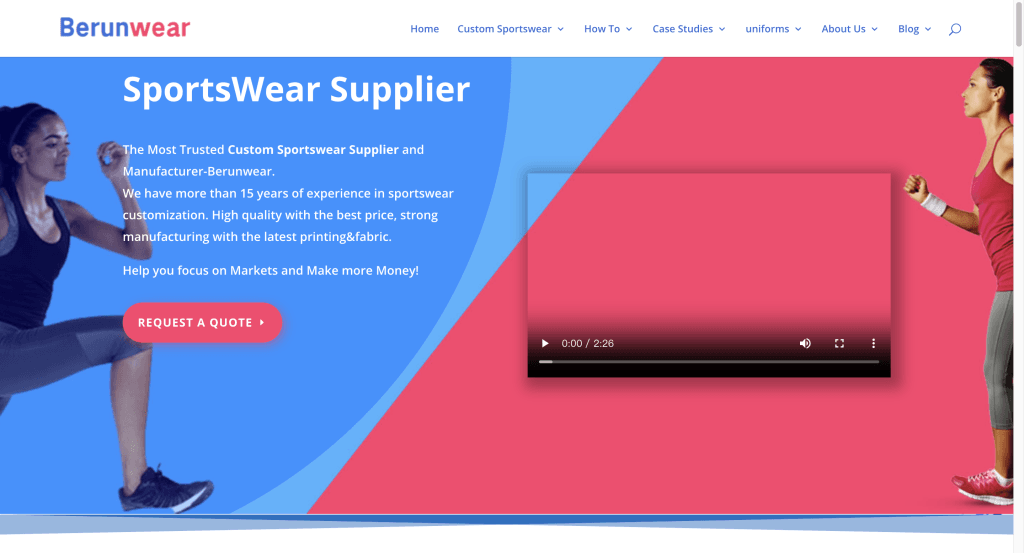
- Specializes in custom sportswear and fitness apparel
- Offers eco-friendly and high-performance fabrics
- Low MOQ (Minimum Order Quantity) for startups
Davis Activewear (USA)
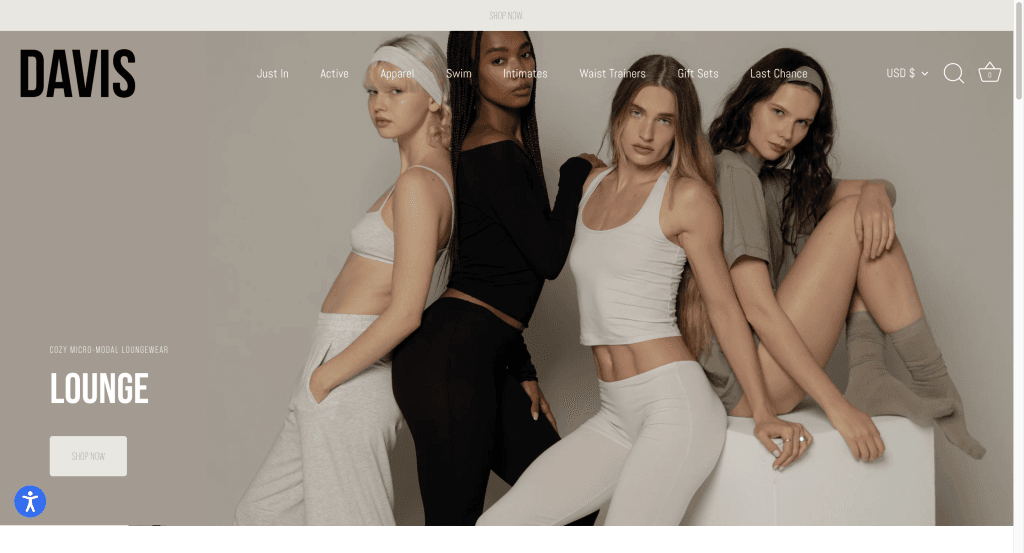
- Premium athleisure and performance wear
- Uses sustainable materials and advanced moisture-wicking technology
- Trusted by established fitness brands
Gym Clothes (USA)
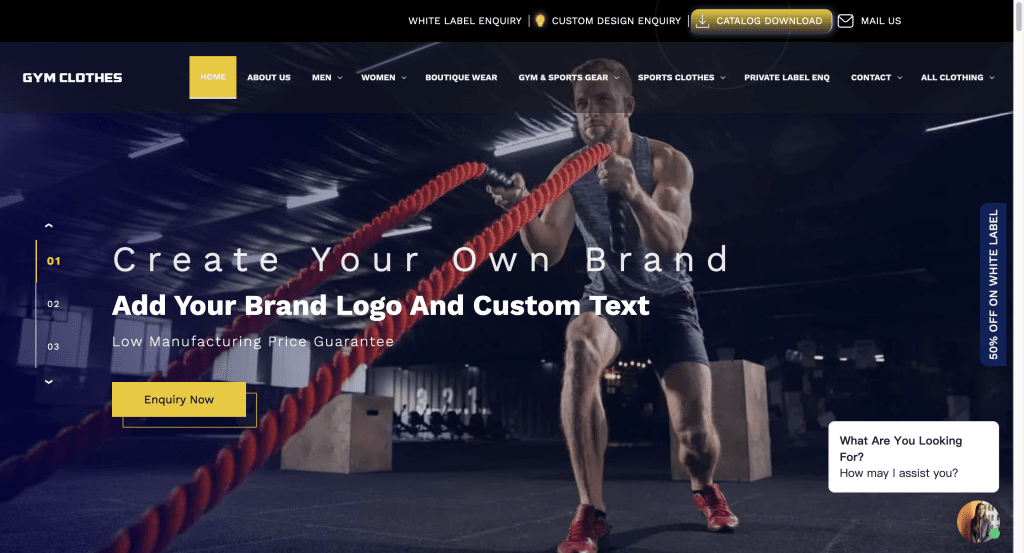
- Manufacturer of yoga wear, gym clothing, and sports uniforms
- Offers ODM & OEM services
- Competitive wholesale pricing
Hucai Sportswear (China)
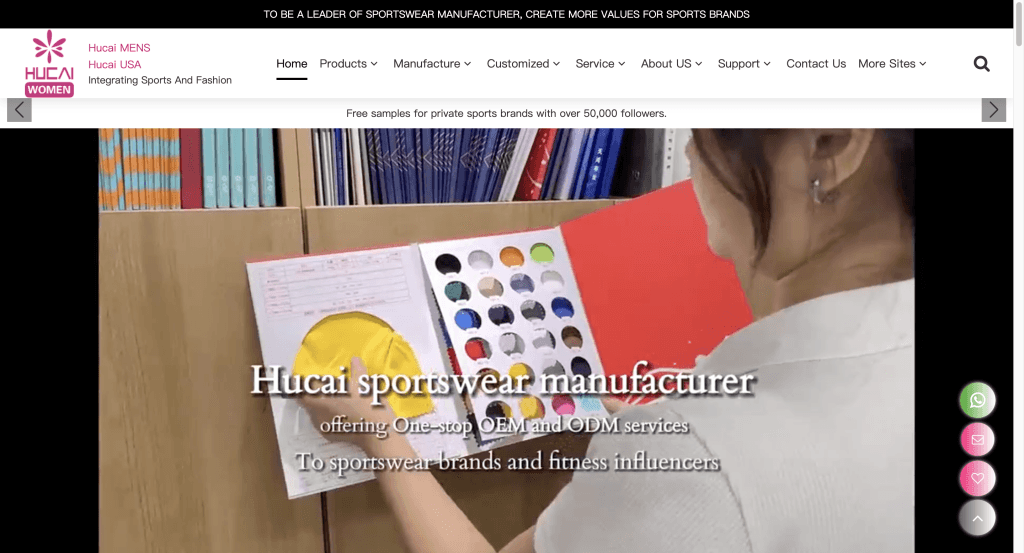
- Experts in custom private-label activewear
- Provides seamless technology and high-stretch fabrics
- Low MOQ for small brands
Crystal Group(Hong Kong)

- World-class production capacity for global athletic giants
- Pioneer in seamless technology and smart fabric R&D
- Industry-leading ESG standards and sustainable manufacturing
Vimost Sports (China)
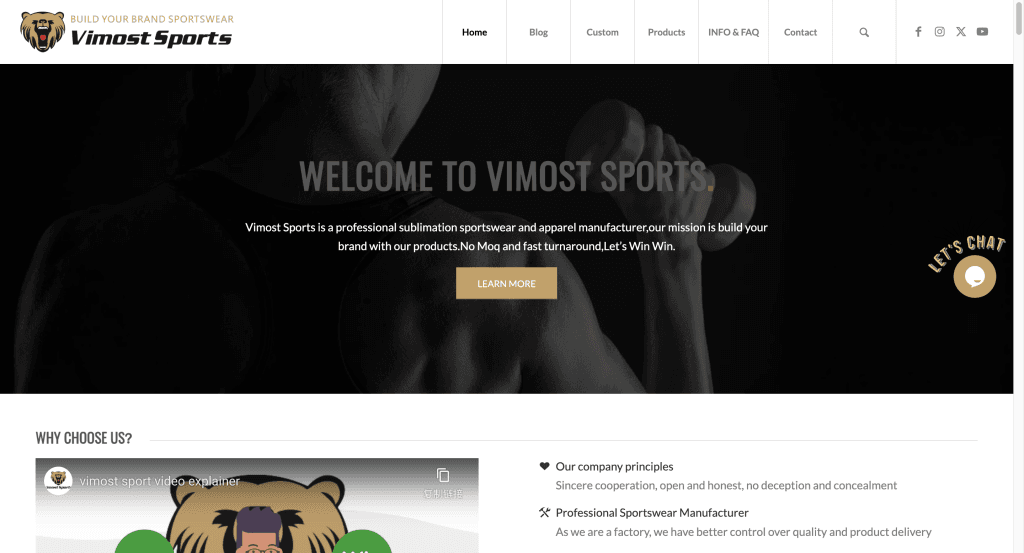
- Specializes in custom sublimation sportswear
- Offers fast turnaround times and bulk discounts
- Suitable for teams and independent brands
Santic Sports (China)
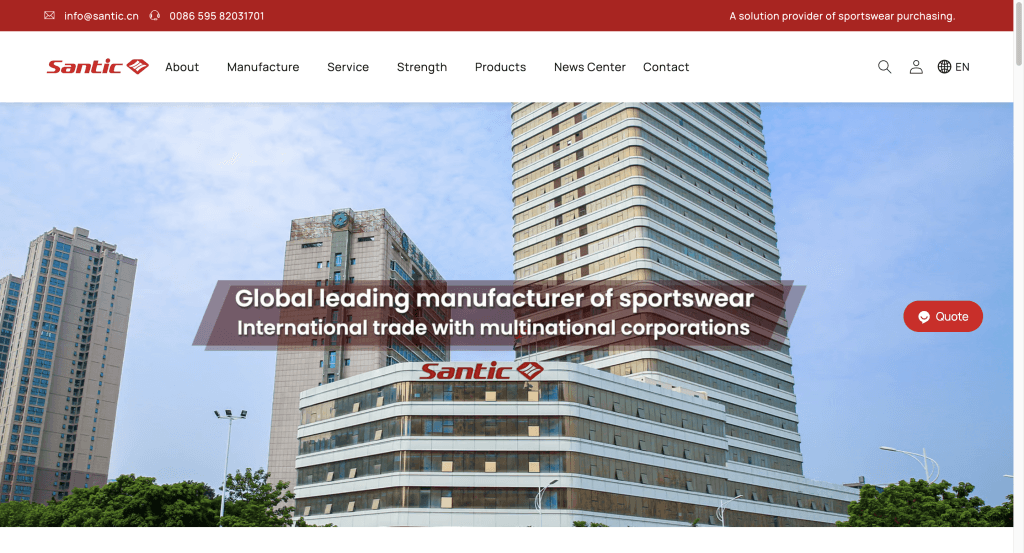
- Renowned for cycling apparel and high-performance sportswear
- Uses advanced fabric technology for breathability and comfort
- Works with global sportswear brands
Cliff Keen Athletic (USA)
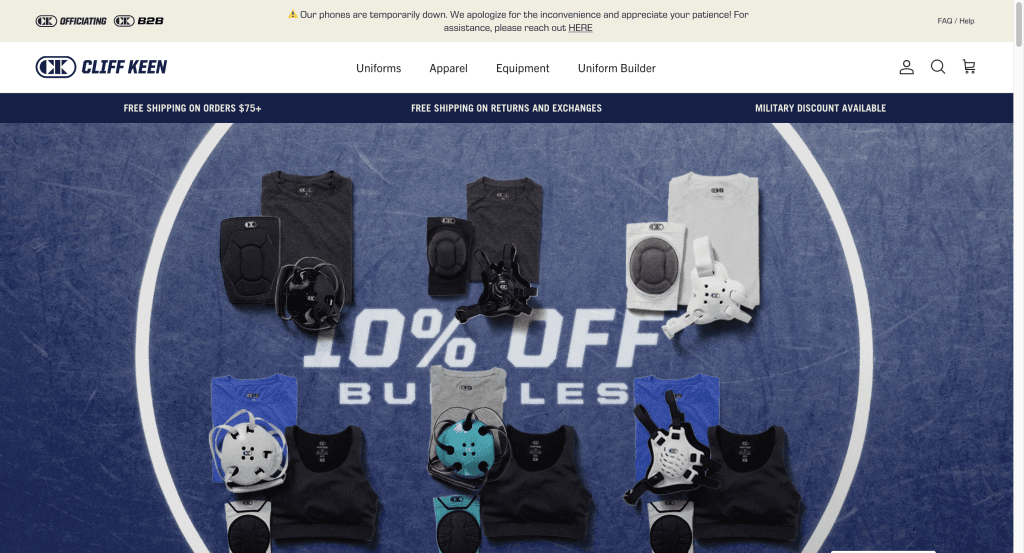
- Established athletic apparel manufacturer
- Specializes in wrestling, football, and custom team uniforms
- High durability and premium quality materials
Alanic Activewear (Australia & USA)
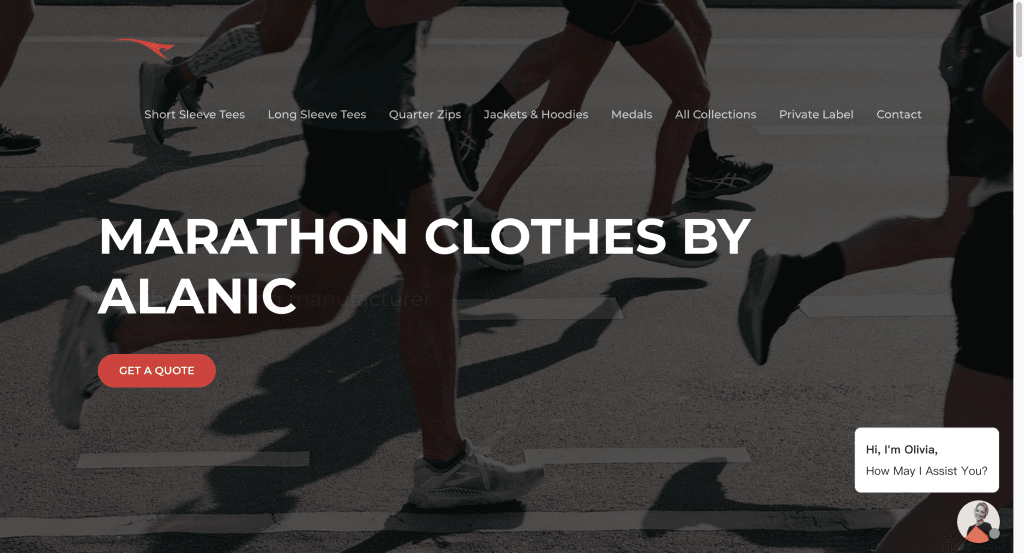
- Leading sportswear manufacturer with global reach
- Offers wholesale, private label, and custom activewear solutions
- High-quality performance fabrics and unique designs
Activewear Bali (Indonesia)

- Specializes in premium sustainable yoga and swimwear
- Uses high-end recycled fabrics like Econyl® nylon
- Low MOQ and full-service support for startup brands
Is Activewear Profitable?
Yes, gym wear is a profitable industry due to increasing health awareness and fitness trends. Here’s why:
High demand
People prioritize fitness and active lifestyles.
Customization & branding
Private-label activewear allows businesses to create unique products.
E-commerce growth
Online stores and social media make it easier to market and sell gym wear globally.
Profit margins
Well-branded athletic apparel can sell for 2-3 times the production cost.
How to Choose?
Selecting a partner is not just about finding the lowest price; it’s about finding the right fit for your current scale. Use the table below to align your business needs with the appropriate manufacturing partner:
| Your Business Stage | Recommended Strategy | Best Factory Type |
| Startup / Concept Phase | Focus on low risk, small batches, and rapid testing of designs. | Boutique & Eco-friendly Factories (e.g., Activewear Bali) |
| Growing Brand | Balance cost with quality while expanding your product range. | Specialized OEM/ODM Manufacturers (e.g., Hucai Sportswear, Berunwear) |
| Established Brand | Prioritize production speed, technical innovation, and supply chain stability. | Mass-Production Giants (e.g., Crystal Group) |
| Performance / Pro Sports | Focus on specialized technical gear and high-performance textile patents. | Technical & Sublimation Specialists (e.g., Vimost Sports, Cliff Keen) |
Choose a Suitable And Reliable Intermediary
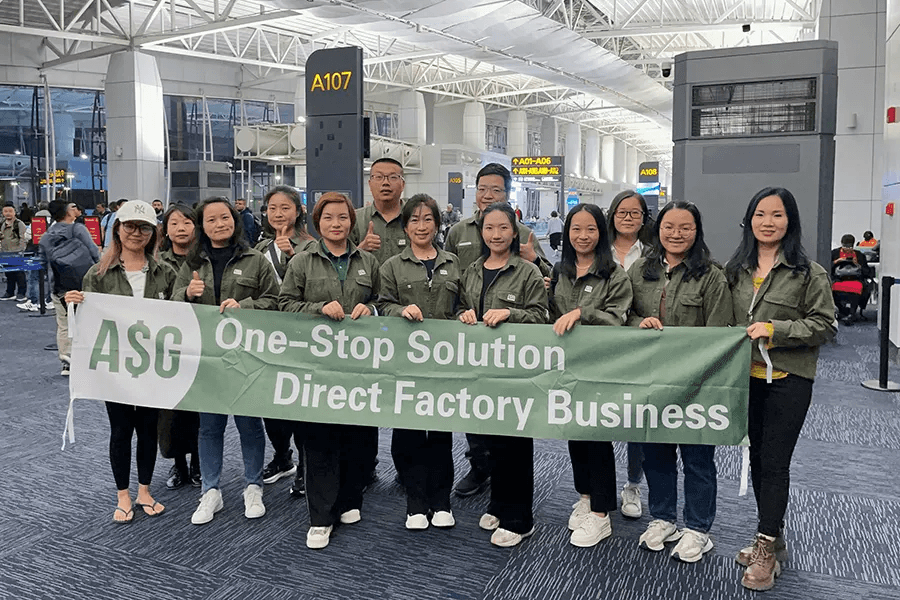
As a one-stop solution direct factory business intermediary, ASG offers plenty of our factories to you. With the right manufacturer by your side, you’ll be equipped to produce high-quality, trend-forward activewear that truly resonates with your target market.
Ready to take the next step? Request a sourcing quote from ASG today and connect with vetted activewear manufacturers. Save time and streamline your search for the perfect production partner tailored to your unique needs.
In addition to custom clothing suppliers, we also provide leather suppliers and jewelry suppliers including but not limited to China, etc. Click to learn more about us.
Trending Activewear Fabrics in 2026
As we move through 2026, the activewear market is shifting away from “fast fashion” toward high-performance, long-lasting, and eco-intelligent materials. If you are looking to launch a collection this year, these are the three fabric pillars that will define the industry:
“Soft Sculpt” & Second-Skin Seamless
The era of hyper-compression is being replaced by “Soft Sculpt” technology. Consumers now demand leggings and tops that offer a “gentle hug”—smoothing the silhouette without the restrictive, “sausage-casing” feel.
Key Materials: Ultra-fine Nylon/Spandex blends with a buttery-matte finish.
Why it’s trending: With the rise of low-impact activities like Pilates and “hot walking,” comfort and all-day wearability are now just as important as muscle support.
Bio-Based & Circular Synthetics
Sustainability is no longer a “premium option”; it is the baseline requirement for 2026. The focus has moved beyond basic recycled polyester to circular and plant-derived fibers.
Key Materials:
- Econyl®: Regenerated nylon from ocean waste.
- Bio-Based Nylon: Sourced from castor beans or sugarcane to reduce fossil fuel reliance.
- Biodegradable Elastane: Addressing the “forever waste” issue of traditional stretchy yarns.
Why it’s trending: Regulations and consumer pressure are forcing brands to prove their products can either be recycled or safely decomposed.
Thermal-Adaptive & Smart Textiles
Activewear in 2026 is becoming “intelligent.” Fabrics are now designed to respond to the wearer’s environment and body temperature in real-time.
Key Materials:
- Graphene-infused knits: Known for incredible thermal regulation and anti-bacterial properties.
- Phase-Change Materials (PCM): Fabrics that absorb heat when you’re hot and release it when you cool down.
- Mineral-infused yarns: Designed to reflect infrared energy back into the muscles to aid recovery.
Why it’s trending: As “Gorpcore” (outdoor-utility style) continues to dominate, users want clothes that perform across varying climates—from a sweaty gym session to a chilly outdoor hike.
Conclusion
Finding the right sportswear manufacturer is key to launching a successful fitness brand. Whether you’re looking for premium athletic apparel or affordable gym wear, manufacturers like Berunwear, Hucai, and Davis Activewear offer great options. Additionally, the custom gym wear industry is highly profitable, and with an initial investment of $8,000 – $35,000, you can start your fitness clothing line.
Choose a manufacturer that aligns with your quality standards, budget, and business goals!
FAQs
How Much Does It Cost to Start a Fitness Clothing Line?
The cost of starting a fitness clothing line varies based on design complexity, materials, and order quantity. Here’s a breakdown:
- Design & Prototyping: $500 – $2,000
- Manufacturing (MOQ: 100-500 pieces): $5,000 – $20,000
- Branding & Packaging: $500 – $3,000
- Marketing & E-commerce setup: $2,000 – $10,000
- Total Estimated Cost: $8,000 – $35,000
How much does it cost to start a fitness clothing line?
A fitness apparel brand might start with startup expenditures between $4,000 and $10,000. Costs include a computer, design software for athletic wear, and manufacturing samples of your athletic wear.
Why is activewear so expensive?
Many athletic wear brands incorporate advanced microfibers that effectively wick away sweat or apply antimicrobial treatments to combat odors.
Some also integrate UV protection or cooling technologies for enhanced performance. These innovations are the result of extensive research and development, which inevitably contributes to the overall cost.



-300x198.png)


